
Because dairy farming produces three different types of yields—milk, farmyard manure, and calves—it is a wise investment. A farmer can count on a steady supply of milk for almost the entire year. Dairy cows can produce milk for up to a year, with a maximum three-month pause before they can produce again.
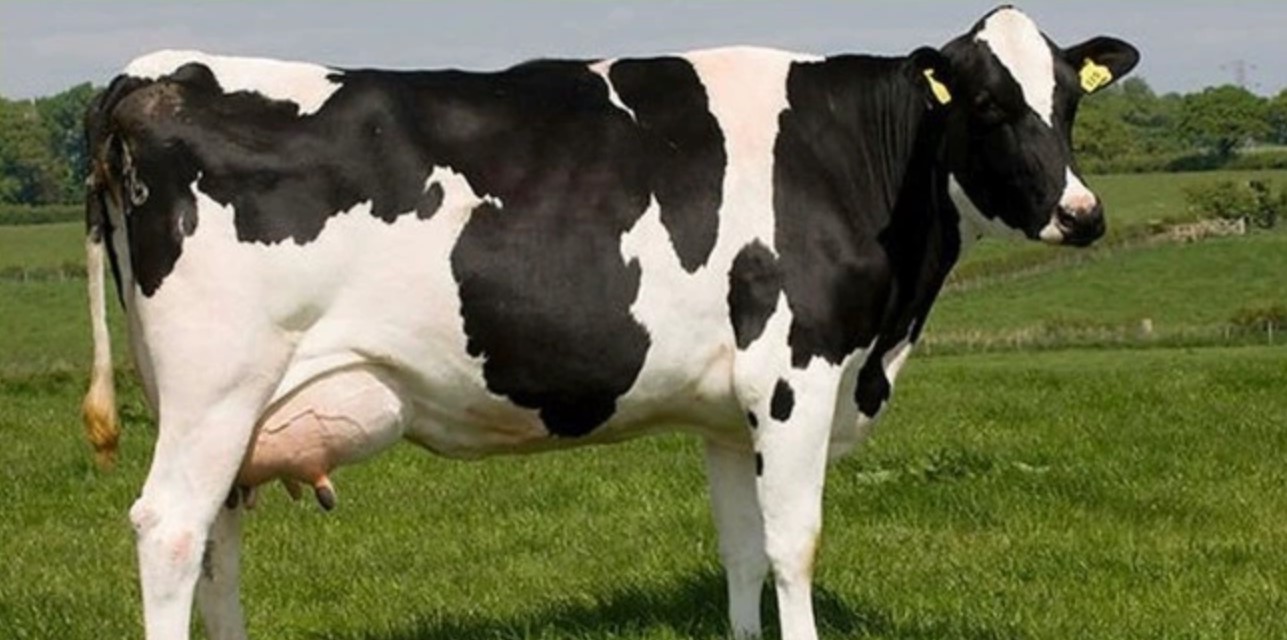
Shorthorns and a coat of short hair in black and white are characteristics of Friesian cattle. They weigh between 500 and 550 kg on average, making them large creatures. Although they are native to Europe, they are currently kept in several African countries thanks to the importation of semen and local breeding.
They are raised for their milk, and they can yield 40–50 kg of milk daily. However, the milk’s 3.2% butter fat content is low. A healthy diet is essential for producing large amounts of milk, and as Friesians are voracious eaters, they need roughly 110 kg of fresh feed and 60 liters of water daily.
They are sensitive to high temperatures and thrive in colder climates. They do well in the colder highlands of Africa. They are prone to milk fever, which can kill them in a matter of days, and are easily ill.
However, inadequate feeding is the primary reason why these animals do not reach their full milk production potential. When in good condition, the cows can sell for as much as Sh120,000 for a pregnant Friesian heifer.