
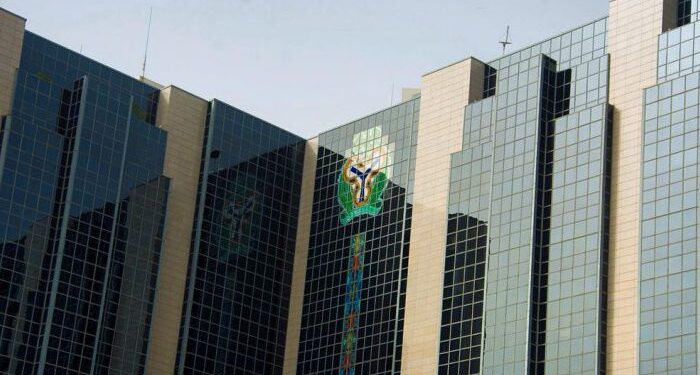
The Central Bank of Nigeria (CBN) has started the process of moving approximately 1,500 of its staff members to their new location in Lagos. Despite facing some criticisms, the relocation is scheduled to take place this week.
Around 1,500 members of staff from the Central Bank of Nigeria (CBN) will be returning to work at its Lagos office this Friday after being relocated from the headquarters. The CBN management decided to move certain departments to Lagos for reasons such as staff safety, increased productivity, and decongestion of the head office. An official from the apex bank confirmed the plan, stating that they will resume work by February 2.
The decision to move departments such as Banking Supervision, Other Financial Institutions Supervision, Consumer Protection Department, Payment System Management Department, and Financial Policy Regulations Department to Lagos has faced criticism from various quarters. The CBN justified the move by citing the need to align the bank’s structure with its functions and objectives, skills redistribution for a more even geographical spread, and compliance with building regulations.
A memo issued to staff explained that the Bank had initiated a decongestion action plan designed to optimize the operational environment of the Bank. It aims to ensure compliance with building safety standards and enhance the efficient use of office space.
Despite opposition from Northern Elders Forum and other Northern groups, CBN Governor, Yemi Cardoso, has continued the relocation plan. The aim is to reduce the HQ occupancy level from 4,233 to 2,733 personnel. Sources indicate that some affected staffers have already started relocating to Lagos, with over 80% of the Banking Supervision Department and the Payment System Department undergoing redeployment.
Critics argue that the move could lead to increased costs, loss of talent, operational disruption, reduced coordination, regional economic disparities, impaired economic development in Northern Nigeria, and decreased investor confidence in the nation’s economy.