
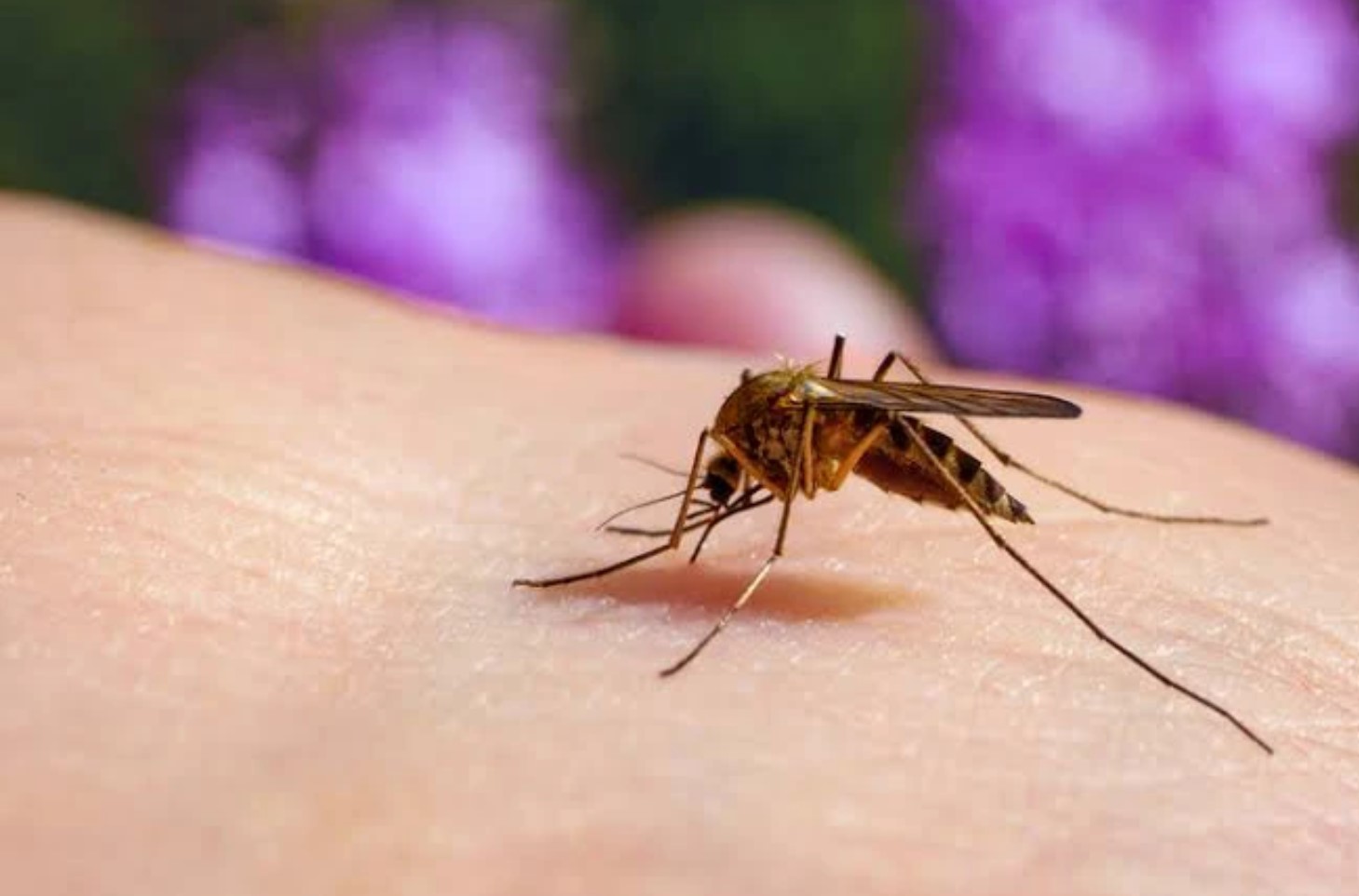
Many people believe that they are more attractive to mosquitoes than others, experiencing more bites compared to their friends who remain unscathed. But is there any truth to this perception, and what is the science behind it? The answer lies in understanding how and why mosquitoes target humans.
Male mosquitoes feed on nectar, while females need blood for their eggs to mature. Over thousands of years, certain species of mosquitoes have developed a preference for humans.
Female mosquitoes have antennae which are covered in odor-sensing receptors, making them experts at tracking down specific hosts. They are attracted to humans based on factors such as body heat, carbon dioxide, and skin odors. These odors are produced by the unique microbial composition of our skin, which changes when we sweat or produce sebum.
There are several temporary factors that can make people more appealing to mosquitoes, including sweating, alcohol consumption, and pregnancy. Those infected with the Plasmodium parasite, which causes malaria, also emit scents that attract mosquitoes, as the parasite requires both humans and mosquitoes to complete its life cycle.
Around 20% of people consistently attract mosquitoes, which may be due to specific skin characteristics influenced by genetics. Understanding why some individuals are more attractive to mosquitoes has significant implications. Mosquito-borne diseases claim hundreds of thousands of lives each year, disproportionately affecting the most vulnerable.
This knowledge can help in developing more effective insect repellents that target skin microbiome and odors. Identifying individuals who are highly attractive to mosquitoes can ensure they receive the necessary resources, such as repellents, bed nets, vaccines, tests, and treatments. This could significantly reduce itching, break transmission cycles, and ultimately save countless lives.