
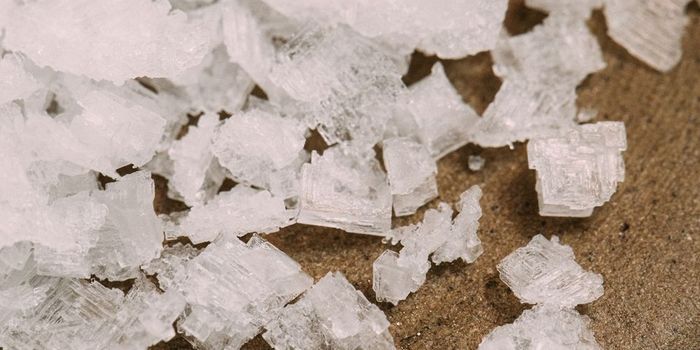

Reducing the salt we eat every day by one teaspoon can lead to important benefits in terms of reducing blood pressure. What has been stated emerges from a very recent scientific research published in the JAMA Network magazine by an American team (Gupta et al, JAMA Network, 2023).
Reduce salt to lower blood pressure
Scientists recruited 213 people, all between 50 and 75 years of age. Among the volunteers there were both people with normal blood pressure and people with hypertension, under control thanks to drugs or without control, in order to have a large sample of the population. All participants were asked to wear a blood pressure monitor.
Then, half of the volunteers had to follow a high-sodium diet for a week, effectively adding a teaspoon of salt to their usual diet. The other half were asked to follow a low-sodium diet, removing a teaspoon of salt from their usual diet, thus consuming a very small amount of sodium. To confirm the results, after a week the two groups switched. Well, what emerged is that the low-salt diet led, in the majority of people who had adopted it, almost 74%, to a significant reduction in blood pressure, with an average difference between the two groups, regarding the systolic pressure, or maximum pressure, of 8 mmHg.
Moreover, compared to the systolic blood pressure values before starting the experiment, these decreased on average by 6 mmHg in the case of a low-salt diet.
Conclusions of the scientific study
The study clearly shows that reducing salt consumption by even just one teaspoon per day leads to significant improvements in blood pressure and that these benefits are observed in all people, even those with hypertension and under treatment with drugs or uncontrolled hypertension. In short, trying to reduce salt brings tangible benefits in all circumstances. It is important to underline that even a 5 mmHg reduction in systolic blood pressure reduces the risk of developing cardiovascular events by 10%!
How to practically reduce salt intake
But how can we practically reduce salt consumption? Let’s start by saying that completely removing salt is practically impossible, as well as harmful since, if within certain limits, sodium is essential for the proper functioning of our body. However, this risk is unlikely to be taken as we live in a world where the addition of salt is observable everywhere.
Therefore, we can implement some small measures, even in a simple way, to reduce the intake of salt, and therefore sodium. A first piece of advice is to carefully read the labels of the foods and drinks you buy, including sweets. In this way we can get an idea of how much salt we introduce into our diet without realizing it and we can try to limit it, reducing these foods or choosing alternatives with less salt, or even without. It is also better to try to cook as much as possible at home, to have full control over the ingredients. To flavor foods we can use vinegar for salads and aromatic herbs for vegetables and other dishes. Keep in mind that, at the moment, the guidelines indicate a maximum daily sodium intake around 2 grams per day, which corresponds to a teaspoon of salt. The study in question arrived at 500 mg of sodium per day on the low-sodium diet, which means a quarter of a teaspoon of salt, a very low amount. In any case, the aim of the article is solely to make it clear that with some precautions and by reducing the amount of salt, which is sometimes truly excessive and beyond our control, we can do a lot for our health.