
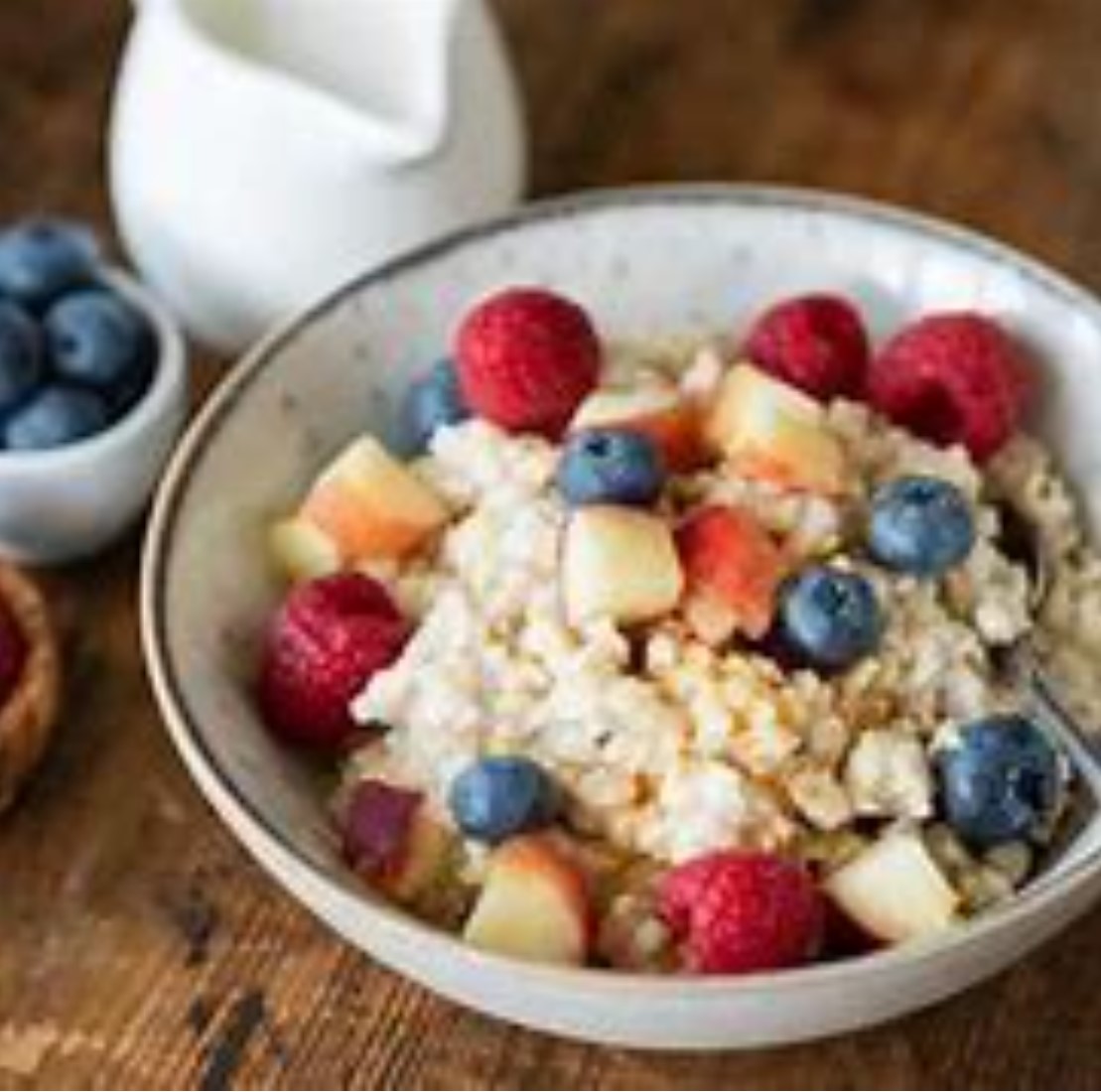
Yes, oatmeal can be a part of a healthy diet for individuals with diabetes. Oatmeal is a whole grain that offers various health benefits, including being a good source of fiber, vitamins, and minerals. However, it’s important to make choices that help manage blood sugar levels effectively. Here are some considerations when including oatmeal in a diabetes-friendly diet:
Choose Whole Oats:
Opt for whole oats, such as old-fashioned oats or steel-cut oats, rather than instant oats. Whole oats have a lower glycemic index, meaning they have a slower impact on blood sugar levels.
Control Portion Sizes:
Pay attention to portion sizes to manage carbohydrate intake. A typical serving of cooked oatmeal is about 1/2 to 3/4 cup (uncooked), providing around 15-20 grams of carbohydrates.
Add Protein:
Enhance the protein content of your oatmeal by adding ingredients like nuts, seeds, or a spoonful of nut butter. Protein helps stabilize blood sugar levels and keeps you feeling full.
Include Healthy Fats:
Incorporate healthy fats, such as a sprinkle of chia seeds, flaxseeds, or a small amount of chopped nuts. Fats can slow down the digestion and absorption of carbohydrates.
Avoid Added Sugars:
Choose plain, unsweetened oatmeal to avoid added sugars. You can naturally sweeten your oatmeal with fresh fruit, such as berries, or a small amount of natural sweeteners like honey or maple syrup if needed.
Add Fiber-Rich Foods:
Boost the fiber content of your oatmeal by adding fruits (e.g., berries, sliced banana), and consider adding chia seeds or ground flaxseeds. Fiber helps with digestion and can help regulate blood sugar levels.
Consider Overnight Oats:
Prepare overnight oats by soaking oats in yogurt or milk overnight. This convenient option allows you to have a ready-to-eat, cold oatmeal in the morning.
Monitor Blood Sugar Levels:
Keep track of your blood sugar levels to understand how different foods, including oatmeal, affect your body. This can help you make adjustments to your diet as needed.
Pair with Protein and Vegetables:
Consider pairing your oatmeal with sources of protein, such as Greek yogurt or eggs, and non-starchy vegetables to create a balanced meal.
Stay Hydrated:
Drink plenty of water throughout the day, including with your oatmeal. Hydration is important for overall health and can aid in digestion.
It’s important to note that individual responses to foods can vary, and what works well for one person may not be the same for another. Therefore, it’s advisable for individuals with diabetes to monitor their blood sugar levels regularly, work with healthcare professionals, and tailor their diet based on personal responses and preferences.
In summary, oatmeal can be a nutritious and diabetes-friendly choice when prepared mindfully, considering portion sizes and additional ingredients to create a balanced meal.