
Choking is a frightening and potentially life-threatening situation that can happen to anyone, anywhere. It occurs when a foreign object or a piece of food becomes lodged in the throat, obstructing the airway. In these critical moments, knowing how to respond can make the difference between life and death. While we often hear about how to help someone else who is choking, it’s equally important to be informed about how to save yourself from choking. This article will provide you with essential tips and steps to follow in case you find yourself choking.
- Stay Calm
The first and most crucial step in saving yourself from choking is to stay calm. Panic can worsen the situation by increasing your heart rate and making it difficult to think clearly. Take a deep breath and reassure yourself that you can handle the situation.
- Cough Forcefully
Your body’s first natural response to choking is to cough. Try to cough forcefully to dislodge the obstructing object. Keep your mouth open to allow air to escape, and use your diaphragm to generate strong coughs.
- Self-Heimlich Maneuver
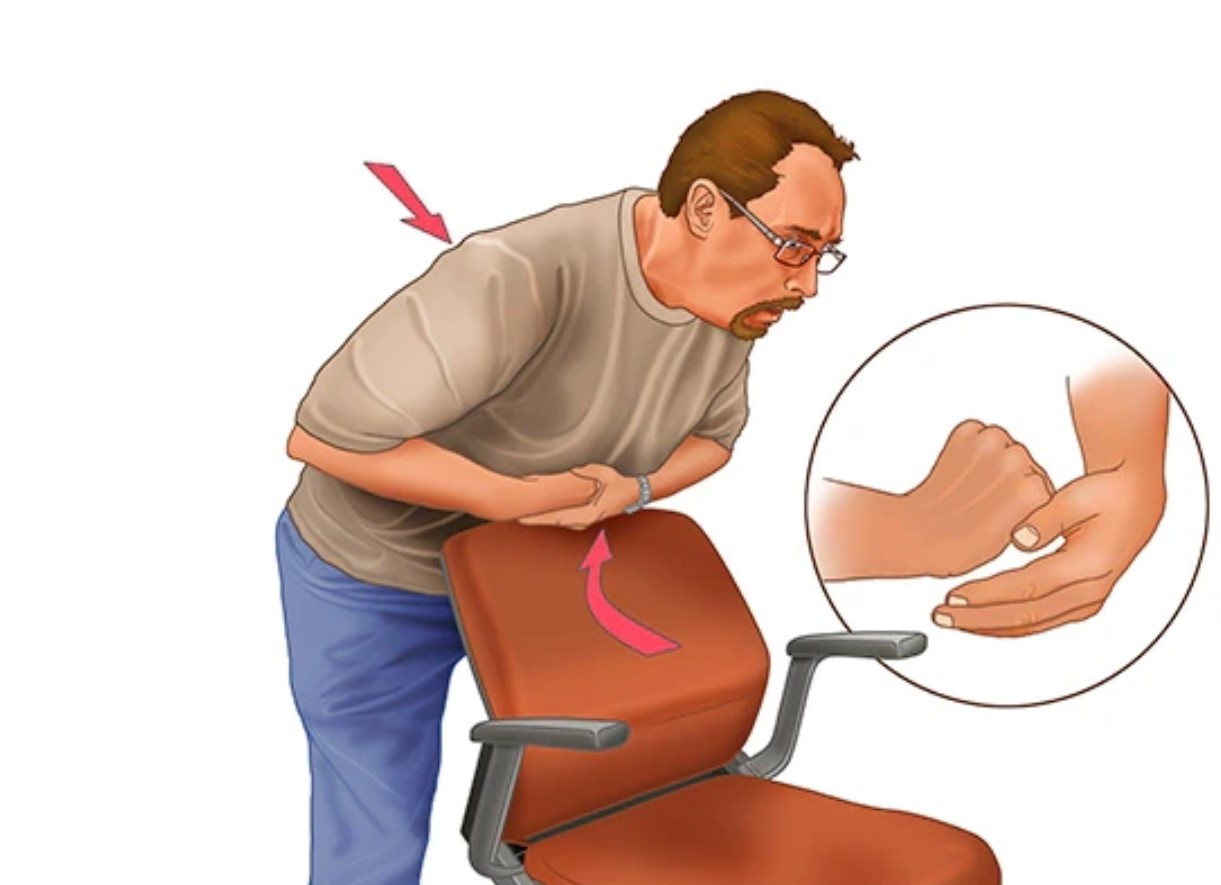
If coughing does not work, you can perform a self-Heimlich maneuver. Find a sturdy surface, such as the back of a chair, a countertop, or a railing. Position the upper part of your abdomen against this surface, slightly above your navel, and thrust your weight forward to create pressure that can help dislodge the object.
- Call for Help
If you are still choking after attempting to clear the obstruction on your own, immediately call for help. You may not be able to speak, but making noise or signaling for assistance is crucial. Someone nearby can provide the necessary aid.
- Finger Sweep
If no one is around to help and the object remains lodged in your throat, you can try a finger sweep. Use your index and middle fingers to reach into your mouth and carefully remove the object. Make sure your hands are clean before attempting this, and exercise extreme caution to avoid pushing the object further down the throat.
- Chest Compressions
If all else fails and you are still choking, you can perform chest compressions on yourself. Use your own body weight by leaning over a hard surface (like a table or the back of a chair) and thrusting your upper abdomen against it. Repeat this motion to apply pressure to your diaphragm and hopefully expel the object.
- The Silent Choking Protocol
In some instances, choking can render you unable to breathe, cough, or speak. The Silent Choking Protocol involves a series of self-administered abdominal thrusts. By pressing your abdomen just below your ribcage and above your navel with a quick, inward, and upward motion, you can dislodge the object.
Prevention is Key
While knowing how to respond when you are choking is crucial, it’s equally important to take steps to prevent choking incidents. Here are some tips:
- Cut food into small, manageable pieces.
- Chew your food thoroughly before swallowing.
- Avoid talking, laughing, or gesturing while eating.
- Be cautious with foods that are known choking hazards, such as nuts, hard candy, and grapes.
- Keep small objects out of the reach of children to prevent choking incidents in young ones.
Conclusion
Choking is a potentially life-threatening emergency that requires quick thinking and action. Learning how to save yourself from choking can make a significant difference in your safety and well-being. Remember to stay calm, cough forcefully, and attempt self-Heimlich maneuvers. If these efforts fail, call for help, and, if necessary, try a finger sweep or chest compressions. The key to dealing with choking effectively is to act swiftly and confidently, knowing that you have the knowledge to potentially save your own life. However, always aim to prevent choking incidents through safe eating habits and awareness of potential hazards.