
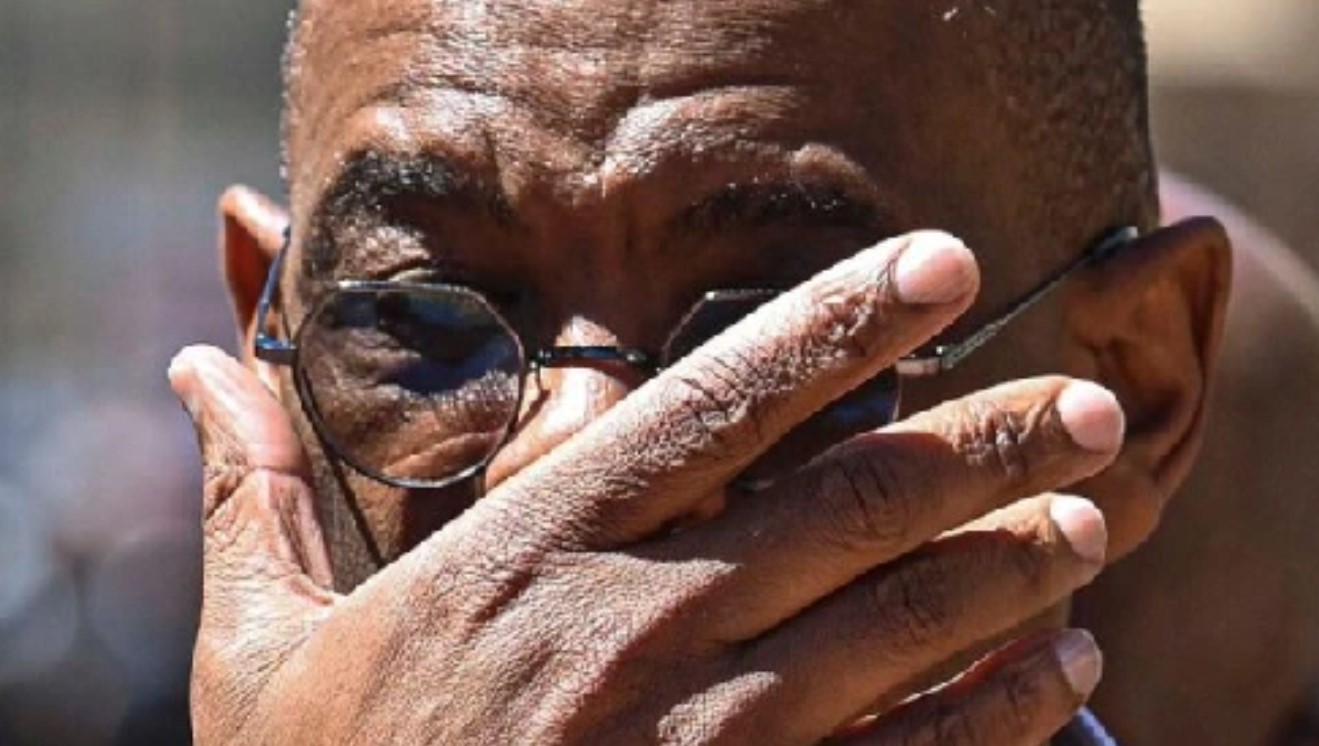
Former South African President Thabo Mbeki’s recent call for action regarding banks amid the controversy surrounding President Cyril Ramaphosa’s ties has injected new urgency into the nation’s political landscape. Mbeki’s vocal stance, a rare departure from his usual discretion, underscores the gravity of the situation.
The controversy stems from allegations of Ramaphosa’s connections with banking institutions, sparking concerns about potential conflicts of interest and undue influence in political affairs. Mbeki’s intervention, renowned for his measured and statesman-like approach, has intensified public scrutiny and debate.
Mbeki’s plea for decisive action on banking issues resonates deeply within a country grappling with economic challenges and societal disparities. His reputation for addressing critical issues head-on has garnered widespread attention, leading to heightened expectations for accountability and transparency within the financial sector.
The political ramifications of Mbeki’s call cannot be understated. With Ramaphosa facing mounting pressure and calls for clarity regarding his relationships with banks, the nation stands at a crossroads. The outcome of these deliberations could significantly impact public trust in the government and its financial institutions.
Moreover, Mbeki’s involvement serves as a catalyst for broader discussions on the nexus between politics and finance, prompting a reevaluation of regulatory frameworks and ethical standards governing these domains.
As the controversy unfolds, Mbeki’s impassioned plea for action on banking matters reverberates through South Africa, stirring a crucial conversation about integrity, accountability, and the intersection of political power and financial interests. The nation awaits the unfolding developments with bated breath, poised for potential reforms that could redefine the country’s socio-political landscape.