
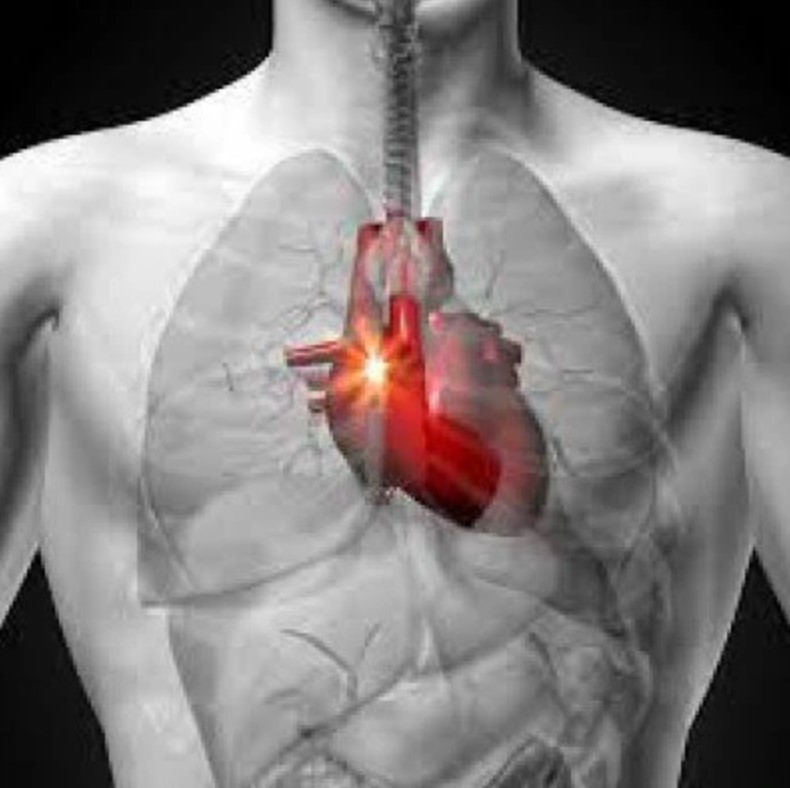
Chest pain can be a scary symptom that often makes people think of a heart attack. However, it’s important to know that chest pain doesn’t always indicate cardiac issues. The lungs also play a significant role in causing chest pain, and it’s essential to understand the complexity of this symptom.
Understanding Chest Pain
When the chest becomes a battlefield of pain, the first instinct is to assume a cardiac origin. While heart-related issues are undoubtedly serious, they are not the sole culprits behind every twinge and ache in the chest.
Heart vs. Lungs: Debunking the Myth
Cardiac Causes
1. Heart Attack
The quintessential villain in the chest pain narrative, a heart attack occurs when blood flow to a part of the heart muscle is blocked. Recognizing the signs is vital for prompt action.
2. Angina
Often mistaken for a heart attack, angina is chest pain or discomfort caused by reduced blood flow to the heart muscle. It’s the heart’s way of signaling distress.
Beyond the Heart: The Lurking Lung Issues
Pulmonary Culprits
3. Pneumonia
Inflammation of the lungs due to infection can manifest as chest pain. Understanding the subtleties is crucial for accurate diagnosis.
4. Pleurisy
When the membranes surrounding the lungs become inflamed, it leads to pleurisy, causing sharp chest pain. Unraveling this enigma is key.
Respiratory Realities
5. Asthma
Not just confined to wheezing, asthma can also trigger chest pain. Navigating the nuances of this respiratory condition is essential.
6. Chronic Obstructive Pulmonary Disease (COPD)
COPD, encompassing conditions like chronic bronchitis and emphysema, can contribute to persistent chest discomfort. Untangling these threads is crucial for effective management.
The Diagnostic Dilemma
Deciphering the Clues
7. Imaging Tests
From X-rays to CT scans, these diagnostic tools play a pivotal role in unveiling the source of chest pain, be it heart or lung-related.
8. Pulmonary Function Tests (PFTs)
Measuring lung capacity and function through PFTs aids in identifying respiratory issues that may be causing chest pain.
Navigating Treatment Options
Tailoring Solutions
9. Medications
Distinct conditions demand specific medications. Understanding the targeted approach is key for effective pain management.
10. Lifestyle Modifications
From quitting smoking to incorporating regular exercise, lifestyle changes play a pivotal role in mitigating chest pain associated with lung issues.
The Human Touch in Healthcare
Empathy in Action
11. Patient-Doctor Communication
Establishing open communication fosters a deeper understanding of symptoms, enabling a more accurate diagnosis.
12. Holistic Healthcare
Recognizing that health is a multidimensional spectrum ensures a comprehensive approach to chest pain management.
The Road to Recovery
Proactive Measures
13. Rehabilitation Programs
Tailored programs aid in the recovery journey, whether from a cardiac event or a lung-related issue, ensuring a holistic approach to well-being.
14. Emotional Support
Acknowledging the emotional toll of chest pain and providing support is integral to the recovery process.
Preventing Future Episodes
Empowering Individuals
15. Education on Risk Factors
Arming individuals with knowledge about factors contributing to chest pain empowers them to make informed lifestyle choices.
16. Smoking Cessation Programs
Given the link between smoking and lung issues, comprehensive programs can facilitate smoking cessation, reducing the risk of chest pain.
Breaking Down Stigmas
Destigmatizing Lung Conditions
17. Raising Awareness
By dispelling myths and fostering understanding, we can contribute to destigmatizing lung-related chest pain.
18. Community Support
Creating a supportive environment within communities encourages individuals to seek help for chest pain without fear of judgment.
The Future Landscape
Advancements in Healthcare
19. Research and Innovation
Ongoing research paves the way for advancements in both cardiac and pulmonary healthcare, offering hope for more effective treatments.
20. Integrated Care Approach
The future holds promise for a seamless integration of cardiac and respiratory care, ensuring a unified front against chest pain. Understanding chest pain goes beyond the immediate fear of a heart attack. It involves unraveling the intricate interplay between cardiac and pulmonary factors. By embracing a holistic approach to healthcare, we can navigate the complexities, providing individuals with tailored solutions and a roadmap to recovery.