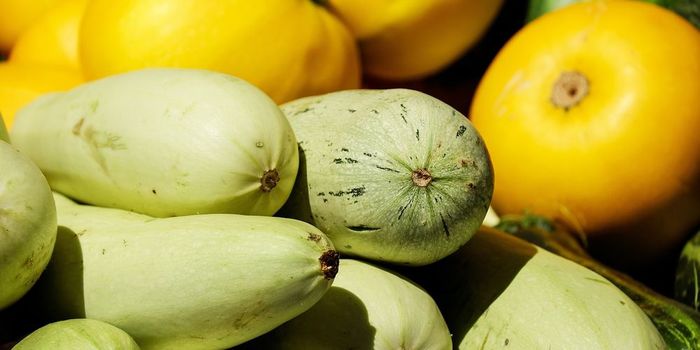
Vitamins, minerals and antioxidants, able to protect eyesight and the heart, to counteract cellular degeneration, but also stress, anxiety and depressionZucchini is a seasonal vegetable that we can enjoy from May to September. The characteristic of the Zucchini is that this fruit is picked while still immature from the Cucurbita Pepo plant, belonging to the Cucurbitaceae family, the same as the cucumber, pumpkin, melon and watermelon. Zucchini can be found everywhere and is one of the main ingredients of summer cuisine. In fact, zucchini is juicy, gives a sweet and delicate note to preparations and is versatile. But zucchini is also a precious source of properties, capable of bringing important benefits to numerous organs, from the eyes to the heart!
Zucchini, nutrientsZucchinis are low in calories, they don’t contain fat, but they provide up to 96% water, thus being hydrating. Zucchinis are a source of fiber, which is important for improving intestinal transit and keeping blood sugar, cholesterol and hunger attacks under control. Not only that, zucchinis contain proteins, carbohydrates, and therefore energy, and important nutrients, such as minerals, such as potassium, magnesium, phosphorus and manganese, vitamins, among which vitamin C stands out, followed by group B, and in particular by vitamins B1, B2, B3 and B6, vitamin K and vitamin E, folate, but also antioxidant substances, such as carotenoids and phenolic compounds (Martinez Valdivieso et al, Nutrients, 2017 – Ben Noun et al, BN Publication House, 2019).Zucchini against cellular degenerationThe beta carotene contained in zucchini proves to be able to counteract cellular degeneration, acting above all in the initial stages. In fact, this substance has been shown to inhibit the formation of pre-tumor lesions (Martinez Valdivieso et al, Nutrients, 2017). Not only that, zeaxanthin, another antioxidant of the carotenoid family contained in zucchini, has been shown to protect the skin from the degeneration that can affect it (Martinez Valdivieso et al, Nutrients, 2017).
Zucchini for visionAmong the carotenoids of zucchini, lutein and zeaxanthin stand out, which are substances that help reduce the risk of cataracts and age-related macular degeneration (Martinez Valdivieso et al, Nutrients, 2017).Zucchini for moodZucchini can also become an ally of good mood. In fact, zucchini seeds have shown an important antioxidant and antidepressant action (Ayoub et al, Oxid Med Cell Longev, 2021). Not only that, zucchini, as mentioned in the introduction, contains vitamin B6, which helps reduce stress, anxiety and sadness (Durrani et al, Ann Med Surg, 2022).
Zucchini for the heartQuercetin is an antioxidant contained in zucchini, it counteracts the damage of free radicals and inflammation. Not only that, thanks to its action it helps regulate cholesterol and strengthen blood vessels (Krecisz et al, Molecules, 2021).Zucchinis, how to taste themZucchinis are generally eaten cooked, boiled, steamed, cooked in the oven or in a pan. Studies have shown that these cooking methods increase the antioxidant power and vitamin E content of zucchini. In particular, cooking in a pan has shown the greatest action when it comes to increasing the antioxidant effect of zucchini (Torres de Castro et al, Foods, 2021 – Tejada et al, International Journal of Food Properties, 2020). But zucchini can also be enjoyed raw, finely sliced and eaten alone, perhaps with the addition of a little extra virgin olive oil and pine nuts, or in salads (Ben Noun et al, BN Publication House, 2019).
Zucchini, warningsZucchinis, if included in a healthy and varied diet, are considered safe. However, cases of allergy to zucchini with nausea, symptoms attributable to an allergy in the oral cavity, diarrhea and itching after ingestion of zucchini have been reported. However, this allergy is rare (Reindl et al, J Allergy Clin Immunol, 2000).