
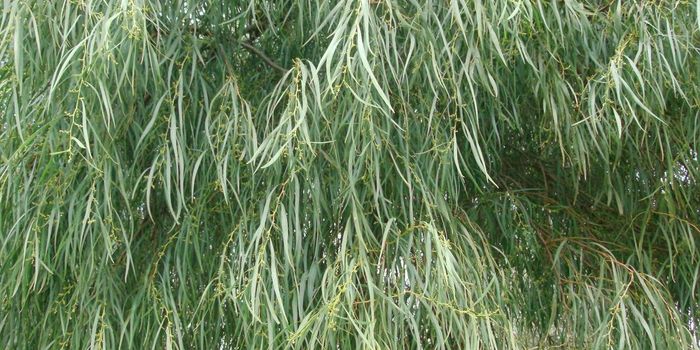

Eucalyptus is an evergreen tree of the Myrtaceae family. The plant can reach considerable dimensions, in some environments even 90 meters, and is characterized by elongated leaves, rich in essential oils. It is precisely the leaves that are an interesting natural remedy for the preparation of herbal teas, extracts and essential oils, mainly known as a treatment for coughs and colds. In reality, as we will see, eucalyptus leaves are much more and have properties you would never think of. Let’s find out better.
Eucalyptus, properties – Eucalyptus leaves contain antioxidants, such as flavonoids and tannins, which act by counteracting free radicals and inflammation. Not only that, eucalyptus also shows antibiotic and hypoglycemic properties, is useful against constipation and capable of protecting the respiratory tract from infections (Widjaja et al, Arch Razi Inst, 2023). In detail, let’s now delve deeper into the main beneficial effects of eucalyptus.
Eucalyptus for the well-being of the respiratory tract – Eucalyptus releases vapors that help relieve coughs and nasal congestion, improving breathing in case of colds, stuffy nose and sinusitis. Eucalyptus acts as an antimicrobial and anti-inflammatory and, based on studies, activates mechanisms capable of inhibiting airway irritation and coughing (Stinson et al, Respir Res, 2023). In addition to this, eucalyptus reduces the formation of mucus and phlegm and is useful in case of asthma (Widjaja et al, Arch Razi Inst, 2023). Eucalyptus can be taken orally as a herbal tea, see at the bottom of the article, in the last paragraph, to understand how to prepare the eucalyptus infusion. Or eucalyptus can be applied in the form of an ointment. Alternatively, you can prepare balsamic vapors to inhale. Bring a saucepan full of water to the boil along with a handful of eucalyptus leaves, remove from the heat, cover your head with a towel and breathe in the vapors. If you intend to use essential oil, bring the water to the boil, remove from the heat, wait a few minutes and add a couple of drops of eucalyptus essential oil, proceed with the inhalations.
Eucalyptus for the skin – Yes, eucalyptus is also good for the skin! In fact, the topical application of eucalyptus leaf extracts stimulates the production of ceramides, which are fatty acids that help maintain the right level of hydration of the skin. Therefore, eucalyptus is an important help in case of dry skin, dermatitis and psoriasis (Widjaja et al, Arch Razi Inst, 2023). You can add 1-2 drops of eucalyptus essential oil to 50 ml of a vegetable oil, such as jojoba oil, mix and apply a small amount of product on a damp face. Alternatively, you can add a drop of eucalyptus essential oil to your clay facial mask.
Eucalyptus for dental health – Eucalyptus leaves contain a substance called eucalyptol, capable of improving dental health, and an antioxidant from the polyphenol family, macrocarpal C, which reduces the bacteria responsible for tooth decay and for diseases that affect the gum (Widjaja et al, Arch Razi Inst, 2023). You can add 1-2 drops of eucalyptus essential oil to a glass of warm water for rinsing and gargling.
Eucalyptus tea to reduce blood sugar – Tea prepared with eucalyptus leaves is also considered a useful remedy for reducing blood sugar (Dey et al, World J Diabetes, 2013).
Eucalyptus for the brain – Eucalyptus leaf extracts in ethanol are valuable sources of antioxidants, especially chlorogenic acid. This is also useful in protecting the brain from free radical damage, since eucalyptus has been shown to increase the vitality of neurons and reduce the production of free radicals (Gonzalez Burgos et al, J Food Drug Anal, 2018).
Eucalyptus herbal tea, what it is for, how to prepare it and warnings – Eucalyptus herbal tea, as we have seen, is useful for protecting the respiratory tract, fighting colds, coughs, stuffy noses and even asthma. Not only that, eucalyptus leaf herbal tea helps keep blood sugar under control, is anti-inflammatory and antimicrobial. The herbal tea is prepared with 1.5-3 grams of dried eucalyptus leaves per 150 ml of boiling water. Leave it to infuse for 10-15 minutes, then filter and drink. Talk to your doctor before any treatment and be careful if you are taking medications such as antidepressants, benzodiazepines and barbiturates, but also diabetes medicines, as interactions may occur. Avoid eucalyptus, in the form of herbal tea but also extracts, in children, during pregnancy and breastfeeding. In predisposed people, oral intake of eucalyptus can cause nausea, gastrointestinal problems, hives and dizziness (Dey et al, World J Diabetes, 2013).