
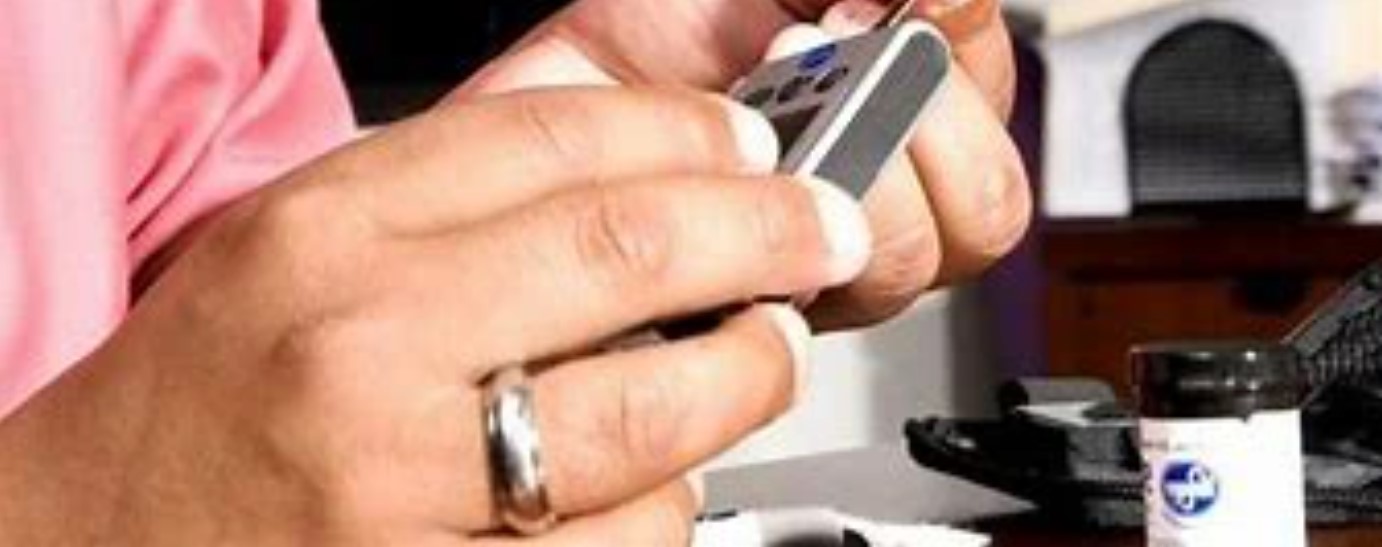
Blood sugar readings can sometimes be inaccurate, and several factors can contribute to false readings. It’s important to be aware of these potential issues to ensure that you are getting accurate information about your blood glucose levels. Here are some common reasons why a blood sugar reading might be false:
Improper Testing Technique:
Using a proper testing technique is crucial. If you don’t follow the instructions for your glucose meter correctly, it can lead to inaccurate readings.
Expired Test Strips or Glucose Meter:
Check the expiration date of your test strips and glucose meter. Using expired equipment can result in unreliable readings.
Dirty or Contaminated Test Strips:
Ensure that your hands are clean before handling test strips. Contaminated strips can lead to inaccurate results.
Insufficient Blood Sample:
Not providing enough blood for the test may result in an inaccurate reading. Follow the instructions provided with your glucose meter to ensure an adequate blood sample.
Medication Interference:
Some medications, including certain antibiotics and pain relievers, can interfere with blood sugar readings. Check with your healthcare provider if you suspect medication interference.
Environmental Factors:
Extreme temperatures or humidity can affect the accuracy of glucose meters and test strips. Store your equipment according to the manufacturer’s recommendations.
Hematocrit Levels:
Conditions that affect hematocrit levels (the ratio of red blood cells to total blood volume) can influence blood sugar readings. Anemia or dehydration, for example, may lead to false results.
Calibration Issues:
Ensure that your glucose meter is calibrated correctly. If the meter is not properly calibrated, it may provide inaccurate readings.
Strip or Meter Compatibility:
Make sure that the test strips you are using are compatible with your glucose meter. Using incompatible strips can lead to inaccurate readings.
User Error:
Mistakes in recording or interpreting results can occur. Double-check your entries and make sure you are accurately recording and understanding your blood sugar readings.
If you suspect that your blood sugar readings are consistently inaccurate, it’s crucial to consult with your healthcare provider. They can help identify the cause of the issue and provide guidance on how to address it. Regular communication with your healthcare team is essential for effective diabetes management.