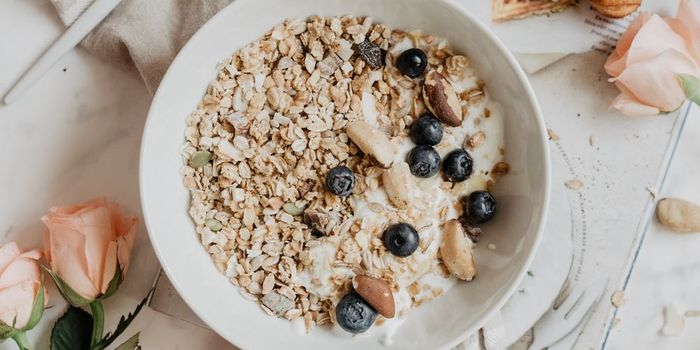
What we eat for breakfast can help us fight chronic inflammation and gain health! In fact, preferring foods containing polyunsaturated and monounsaturated fatty acids reduces circulating pro-inflammatory substances and protects the heart. But let’s try to understand better on the basis of a very recent scientific research that appeared in Nutrients magazine thanks to the work of a Spanish team (Delgado Alarcon et al, Nutrients, 2023).
The two faces of inflammationInflammation is the way the body reacts to infections and pathogen threats. Therefore, inflammation is itself a physiological mechanism with a vital importance. Once the threat has passed, the inflammation must also disappear. However, in some conditions such as periods of high stress, unbalanced diet, insomnia, taking certain drugs, sedentary life, obesity, pollution and cigarette smoking, inflammation may always be present, perhaps at a low level, with no apparent symptoms, but working silently for years and then exploding, in the long run, with cardiovascular diseases, diabetes, weakening of the immune system, cellular degeneration and neurodegeneration. The aim is therefore to counteract chronic inflammation. Leading a healthy life, with moderate physical activity, eating in a balanced way, not smoking and avoiding excess alcohol are certainly some important choices for health. Today we will talk about the role of nutrition on the control of chronic inflammation, and, in particular, on the effects of breakfast.Breakfast that reduces inflammation, the studyThe researchers recruited 60 women, average age 64 years. The volunteers were divided into three groups. The first group was asked to eat at breakfast, every day for 30 days, 20 grams of extra virgin olive oil, a food rich in monounsaturated fatty acids. The second group had to take 20 grams of butter, which provides saturated fatty acids, and the third group 20 grams of a particular margarine, without trans fats but with polyunsaturated fatty acids. Well, what emerged is that the group that had taken extra virgin olive oil showed, at the end of the experiment, a significant reduction in circulating pro-inflammatory substances. The group that took margarine did not show changes in chronic inflammation but did show a reduction in a substance, called EGF, which, if elevated, is associated with cardiovascular disease. Finally, butter did not determine any type of variation.
Study conclusionsWhat emerges from the research is that consuming foods containing monounsaturated fatty acids for breakfast, such as extra virgin olive oil, but also almonds, walnuts, pistachios, hazelnuts, macadamia nuts, cashews, sunflower and pumpkin seeds or avocados, helps to reduce circulating pro-inflammatory substances and to counteract chronic inflammation, with important benefits for the entire body. Foods containing polyunsaturated fatty acids, such as chia and flax seeds, have been shown to protect the heart more, reducing the risk of cardiovascular disease. In short, these are small measures that can be really beneficial for health.A good and healthy breakfast, other informationThis study shows the importance of breakfast. The research results add to other studies that show that eating breakfast counteracts overweight and obesity, unlike skipping breakfast which instead increases the risk of fat accumulation. It is also important to consume proteins and omega 3 fatty acids at breakfast, even more than in other meals during the day, to nourish the muscles and make them more efficient and reduce triglycerides. Some examples of protein rich foods that can be eaten for breakfast are yogurt, oats, also in the form of porridge, nuts, eggs.