
HIV is a serious illness that affects millions of people around the world. The virus can attack the immune system without any noticeable symptoms, gradually weakening the body’s ability to fight off infections and diseases.
Detecting HIV early and seeking treatment promptly can greatly improve the quality of life for those living with the virus.
This article will explore the different stages of HIV infection, the window period, and the factors that can affect how long the virus remains dormant in the body. Our information is based on a publication by the CDC.
Stages of HIV Infection
HIV infection typically progresses through three main stages: acute, chronic, and acquired immunodeficiency syndrome (AIDS). Each stage presents unique signs and symptoms as the virus replicates and affects different body systems.
Acute Stage:
The acute stage occurs within two to four weeks post-infection. During this period, the immune system responds to the virus actively. The most common symptoms experienced by individuals in this stage include fever, fatigue, sore throat, swollen lymph nodes, muscle and joint pain, and skin rash. However, these flu-like symptoms are often mistaken for other viral infections, making it challenging to differentiate HIV infection from common illnesses.
Chronic Stage:
After the acute stage, HIV enters a latent or chronic phase. During this phase, the virus replicates slowly, leading to a decrease in viral load and visible symptoms. Some individuals may remain asymptomatic for several years, while others may experience mild and non-specific symptoms such as weight loss, night sweats, ongoing fatigue, recurring infections, and swollen lymph nodes.
AIDS:
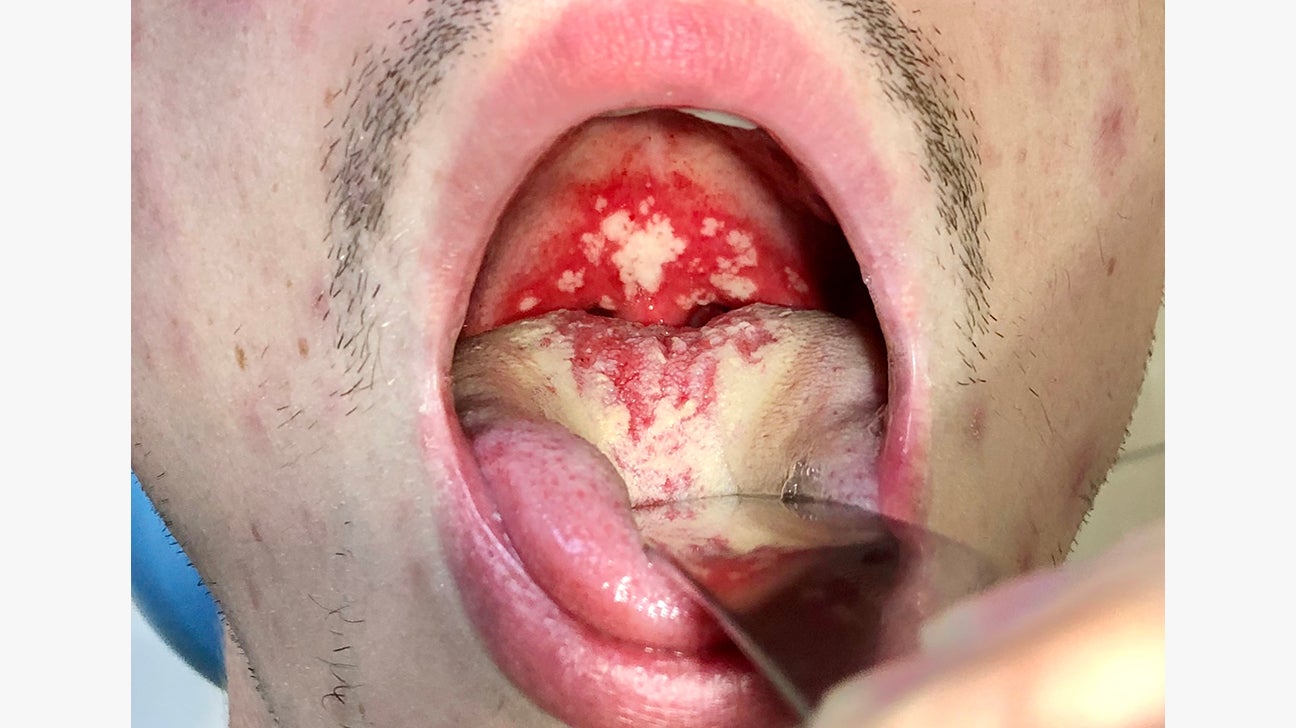
Without proper medical intervention, HIV infection progresses to AIDS. AIDS is the most advanced stage of HIV infection, characterized by a severely weakened immune system. In this stage, opportunistic infections, cancers, and other serious medical conditions become more prevalent. Common symptoms include chronic diarrhea, rapid weight loss, fever, night sweats, recurring infections, oral thrush, and neurological complications.
Understanding the Window Period
The window period refers to the time from HIV infection to the point at which laboratory tests can reliably detect antibodies or antigens specific to the virus. During this phase, an individual may be contagious but test negative for HIV antibodies, making it crucial to understand the duration of this period.
First-Generation HIV Tests:
The window period for first-generation HIV tests is approximately 3-6 weeks after exposure. These tests detect HIV antibodies, which are produced by the body’s immune system in response to the infection. However, these tests may not accurately detect HIV during the acute stage due to the limited production of antibodies.
Fourth-Generation HIV Tests:
Fourth-generation HIV tests have significantly reduced the window period by incorporating the detection of both HIV antibodies and antigens. These tests can detect the presence of the p24 antigen, a viral protein produced during the early stages of HIV infection. Consequently, the window period for fourth-generation tests is approximately 2-4 weeks after exposure, significantly improving the accuracy of early HIV detection.
Factors Influencing HIV Latency
The duration of HIV latency, the period in which the virus remains dormant within the body and does not show visible signs, can vary significantly among individuals. Several factors influence the latency period:
Viral Load:
Viral load refers to the amount of HIV present in the bloodstream. Individuals with higher viral loads tend to progress more rapidly through the stages of HIV infection and develop symptoms earlier. Conversely, individuals with lower viral loads may remain asymptomatic for a longer duration.
Immune Response:
The immune response of an individual plays a crucial role in determining the latency period. Robust immune responses can help control viral replication and delay the onset of symptoms. Conversely, individuals with weakened immune systems, such as those with other medical conditions or co-infections, are more likely to experience faster disease progression.
Age and Gender:
Studies have shown that the age and gender of individuals can influence HIV latency. Younger individuals and women tend to have longer latency periods compared to older individuals and men, respectively. This might be attributed to differences in immune system functioning and hormonal factors.
Genetic Factors:
It’s important to note that genetic variations can impact how quickly HIV progresses and how symptoms manifest. Some gene mutations, like the CCR5 delta-32 mutation, have been linked to slower disease progression. Genetic factors can also affect how an individual responds to antiretroviral therapy (ART) and impact how long HIV remains latent in the body.

HIV advances through various stages, each with its own unique signs and symptoms. The amount of time HIV remains in the body before displaying first-stage symptoms can vary greatly among people and is influenced by factors like viral load, immune response, age, gender, and genetics. Recognizing these factors can help with early detection and intervention of HIV, leading to better healthcare outcomes and an improved quality of life for individuals living with this chronic condition. It’s essential to diagnose HIV early to ensure that appropriate treatment and support services are available when needed.