
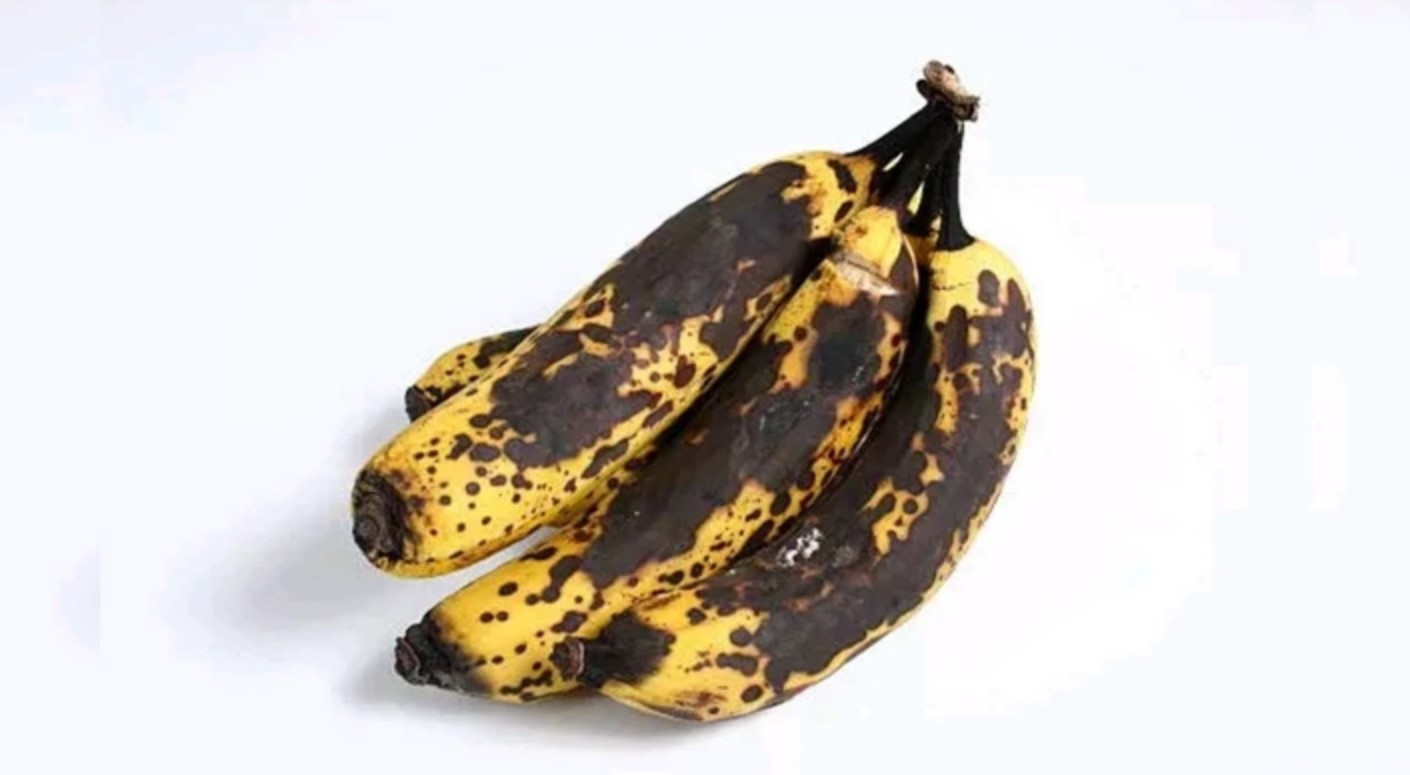
Consuming expired foods can pose various risks to your health, as the expiration date is typically an indicator of the product’s freshness and safety. When you accidentally eat expired foods, several potential consequences may arise.
Firstly, the nutritional value of the food may degrade over time. Vitamins, minerals, and other essential nutrients can break down, reducing the food’s overall nutritional quality. This is particularly true for perishable items like dairy and certain fresh produce.
Secondly, the taste and texture of expired foods may be compromised. Rancidity, staleness, or a change in flavour and consistency are common signs that the product is past its prime. While these alterations may not necessarily be harmful, they can result in an unpleasant dining experience.
More importantly, expired foods can harbour harmful bacteria, moulds, or pathogens that multiply as the product ages. Consuming such contaminated foods can lead to foodborne illnesses, causing symptoms like nausea, vomiting, diarrhoea, abdominal pain, and, in severe cases, even hospitalization. The risk of foodborne illness is particularly high with perishable items like meat, poultry, seafood, and dairy products.
It’s crucial to note that certain foods, especially canned goods and packaged items with preservatives, may still be safe to eat after the expiration date. However, it’s essential to inspect the packaging for signs of damage, such as bulging or leakage, as compromised packaging can allow bacteria to enter.
In conclusion, while eating expired foods doesn’t always result in immediate harm, the risks vary depending on the type of food. It’s wise to be vigilant, pay attention to packaging integrity, and prioritize proper storage to minimize the chances of consuming unsafe or degraded products. When in doubt, it’s safer to err on the side of caution and discard questionable items to protect your health.