
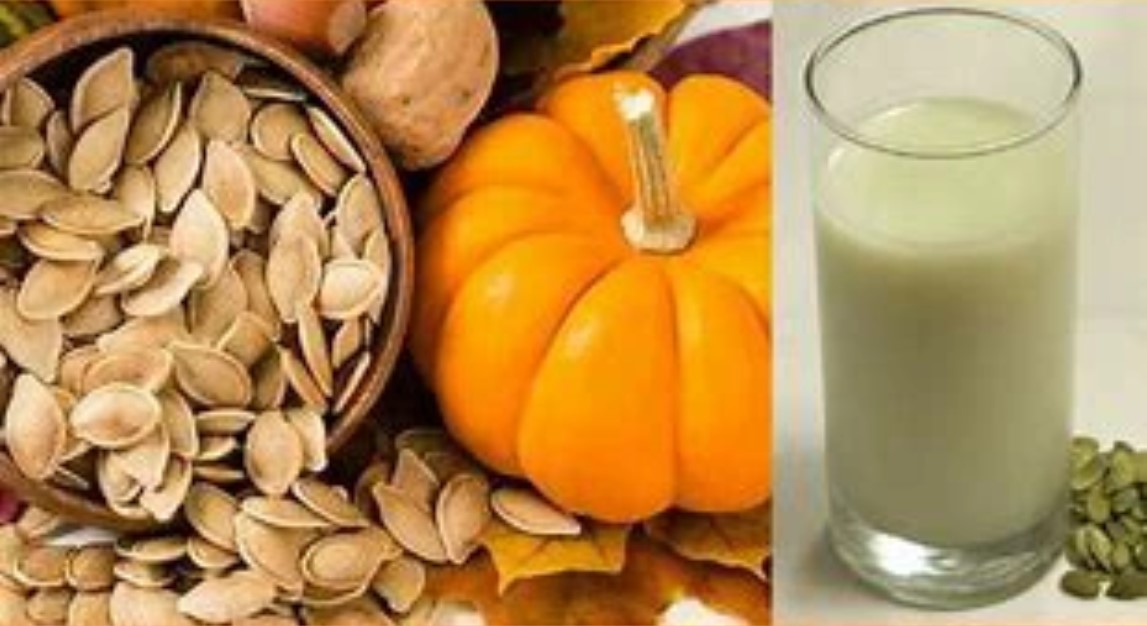
Incorporating pumpkin into your diet can offer a variety of health benefits due to its nutrient-rich profile. Here are some positive effects that may occur when you eat pumpkin regularly:
Rich in Nutrients:
Pumpkin is a nutrient-dense food, providing essential vitamins and minerals such as vitamin A, vitamin C, potassium, and fibre.
Eye Health:
The high concentration of beta-carotene in pumpkin is converted to vitamin A in the body, supporting eye health and contributing to vision.
Immune System Support:
Vitamin C in pumpkin is an antioxidant that helps boost the immune system and protects cells from damage caused by free radicals.
Heart Health:
Potassium in pumpkin plays a role in maintaining healthy blood pressure levels, contributing to heart health.
Fibre Content:
Pumpkin is a good source of dietary fibre, which supports digestive health, aids in regular bowel movements, and may contribute to weight management.
Weight Management:
Pumpkin is low in calories and rich in fibre, promoting a feeling of fullness, which may help with weight management.
Blood Sugar Regulation:
The fibre content in pumpkin can help regulate blood sugar levels, potentially benefiting individuals with diabetes or those at risk of developing diabetes.
Skin Health:
Beta-carotene in pumpkin may contribute to skin health, promoting a healthy complexion and potentially protecting the skin from UV damage.
Anti-Inflammatory Properties:
Some compounds in pumpkin, including beta-carotene and other antioxidants, have anti-inflammatory properties that may contribute to overall health and well-being.
Improved Sleep:
Pumpkin seeds are a good source of tryptophan, an amino acid that supports the production of serotonin and melatonin, promoting better sleep.
Reduced Cancer Risk:
The antioxidants and anti-inflammatory properties in pumpkin may contribute to a reduced risk of certain cancers.
Healthy Pregnancy:
The folate content in pumpkin is important for fetal development, making it a valuable food for pregnant women.
Lowered Risk of Chronic Diseases:
Regular consumption of fruits and vegetables, including pumpkin, is associated with a lower risk of chronic diseases, including heart disease and certain types of cancer.
It’s important to note that while pumpkin can be a healthy addition to your diet, it’s crucial to maintain a well-balanced and varied diet that includes a range of fruits, vegetables, whole grains, and lean proteins. Additionally, individual responses to foods can vary, and any specific health concerns should be discussed with a healthcare professional or a registered dietitian for personalized advice.