
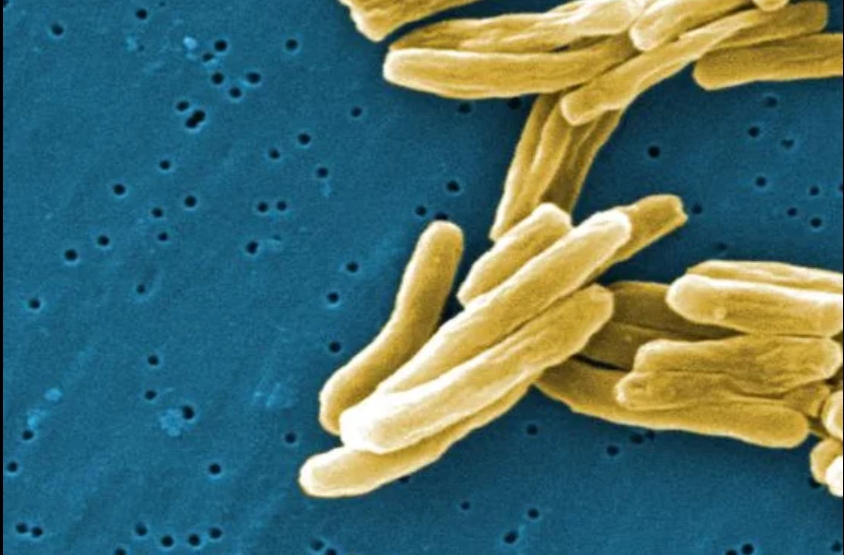
Mycobacterium tuberculosis is the cause of the infectious bacterial disease tuberculosis. Although the lungs are the primary organs affected, it can also spread to the kidneys, spine, and brain. Tuberculosis (TB) spreads through the air when a person with the disease coughs or sneezes and is highly contagious. Typical symptoms of tuberculosis include a chronic cough, chest pain, fatigue, fever, and weight loss. There are two types of tuberculosis: latent, where the germs are present but do not cause symptoms, and active, where they multiply and do.
While tuberculosis (TB) can be cured with the right diagnosis and care, it remains a major global health concern, particularly in underdeveloped nations with limited access to medical resources. Public health initiatives prioritize early identification, prevention, and treatment to prevent tuberculosis (TB) from spreading and mitigate its impact on communities worldwide.
In a conversation with Jagran English Dr. Kamlesh Pandey, who is a consultant chest physician at Wockhardt Hospitals, Mira Road talked about What are the types of tuberculosis? Which one is the most dangerous of all?
What Is Tuberculosis?
Tuberculosis (TB) is a type of transmittable disease that happens owing to the bacterium Mycobacterium tuberculosis. Despite being a curable and preventable disease, TB causes higher mortality rates not only in India but also across the world.
Unknown Facts About Tuberculosis
TB bacteria not only impact one’s lungs but even the kidneys, spine, and brain. TB tends to remain dormant in the body for years without causing symptoms. The symptoms of TB are cough, chest pain, fatigue, unexplained weight loss, night sweats, and even blood in sputum. Hence, timely treatment of TB is life-saving.
There are several types of tuberculosis, each with unique characteristics and implications for treatment and prognosis.
• One common form is pulmonary tuberculosis, which primarily affects the lungs and can lead to symptoms such as persistent coughing, chest pain, and difficulty breathing.
• Another type is extrapulmonary tuberculosis, which occurs when the infection spreads beyond the lungs to other parts of the body, such as the bones, lymph nodes, or brain. This form of TB presents its own set of challenges in terms of diagnosis and management. In addition to these primary forms of tuberculosis, there are also drug-resistant strains that have emerged due to improper use of antibiotics or incomplete treatment regimens.