
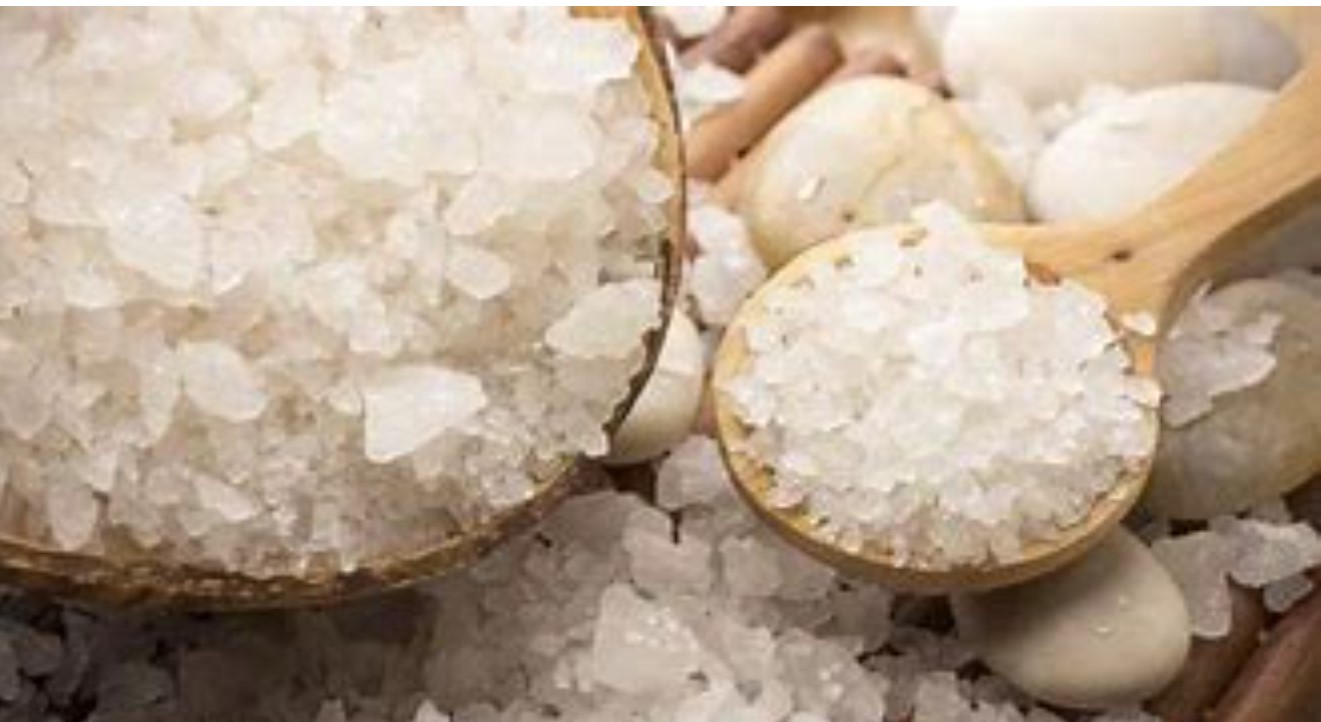
Celtic sea salt is a type of sea salt that is harvested through the evaporation of seawater. Unlike refined table salt, Celtic sea salt is often minimally processed and retains more of its natural minerals. While it’s important to note that the health benefits of Celtic sea salt are not supported by as much scientific evidence as those of essential nutrients, it does offer some potential advantages:
Mineral Content: Celtic sea salt contains a variety of minerals, including magnesium, calcium, potassium, and trace elements. These minerals are important for various physiological functions in the body.
Electrolyte Balance: The mineral content in Celtic sea salt can contribute to maintaining a proper balance of electrolytes in the body. Electrolytes are essential for nerve function, muscle contraction, and overall fluid balance.
No Additives or Processing: Celtic sea salt is typically less processed than table salt and does not contain additives such as anti-caking agents or iodine. Some people prefer it for its natural and unprocessed characteristics.
Alkalizing Properties: Some proponents suggest that Celtic sea salt has alkalizing properties, which means it may help balance the body’s pH levels. However, the evidence supporting the idea that dietary changes can significantly impact the body’s pH is limited.
Flavor Enhancement: Many people find that Celtic sea salt has a distinctive flavor, and they use it to enhance the taste of their food. Using sea salt may encourage individuals to rely less on processed foods and more on whole, natural ingredients.
It’s important to note that while Celtic sea salt does contain minerals, the amounts are relatively small, and people typically get more significant amounts of these minerals from a varied and balanced diet. Additionally, individuals with certain health conditions, such as hypertension, should still be mindful of their overall salt intake.
As with any dietary component, moderation is key, and individual responses to salt can vary. If you have specific health concerns or conditions, it’s always a good idea to consult with a healthcare professional or a registered dietitian before making significant changes to your diet.
Is Celtic Sea Salt Healthier than Regular Salt?
The health benefits of Celtic sea salt compared to regular table salt are a subject of debate, and it’s essential to approach this discussion with nuance. Both Celtic sea salt and table salt primarily consist of sodium chloride, but they differ in their mineral content and processing methods. Here are some points to consider:
Mineral Content: Celtic sea salt is often promoted for its broader mineral content, including magnesium, calcium, and potassium, as well as trace elements. Regular table salt, on the other hand, is typically refined and stripped of most minerals during processing. While Celtic sea salt does contain more minerals, the amounts are relatively small, and it’s not a significant source of these nutrients in the diet.
Processing: Celtic sea salt is harvested through natural evaporation, which is believed by some to preserve its natural state and retain more minerals. Table salt, on the other hand, is often heavily processed, and additives such as anti-caking agents and iodine are commonly added. Some people prefer Celtic sea salt for its less processed nature.
Iodine: Regular table salt is commonly iodized, meaning iodine is added to prevent iodine deficiency, which can lead to thyroid issues. Celtic sea salt generally lacks iodine, so individuals relying solely on sea salt for their sodium intake may need to obtain iodine from other sources.
Taste and Texture: Many people appreciate the taste and texture of Celtic sea salt, finding it to be less harsh or “salty” than table salt. This may lead some individuals to use less salt overall, potentially reducing their sodium intake.
It’s important to note that from a nutritional standpoint, both Celtic sea salt and table salt are primarily a source of sodium, which is a crucial mineral but should be consumed in moderation. Excessive sodium intake is associated with health issues such as hypertension (high blood pressure).
While some individuals may choose Celtic sea salt for its potential mineral content and less processed nature, it’s crucial to recognize that the mineral amounts in sea salt are not nutritionally significant, and obtaining essential minerals is better achieved through a balanced diet.
As with any dietary choice, moderation is key, and individual health considerations play a role. Individuals with specific health conditions or those on restricted diets should consult with healthcare professionals or dietitians to make informed choices based on their unique needs.