
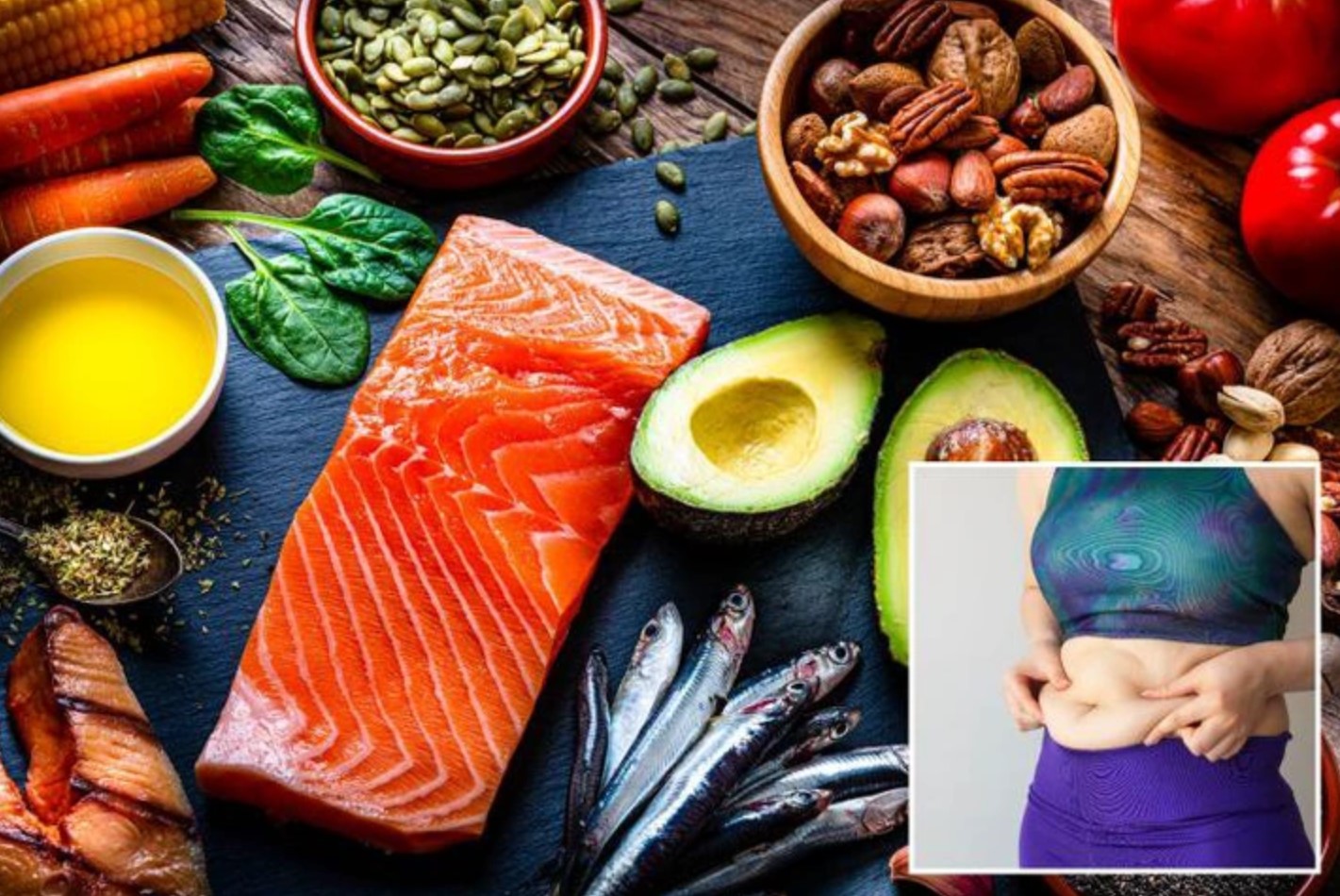
That’s because this kind of fat metabolizes faster — your body can even get rid of it as you sweat or urinate, the experts say. With exercise and diet over a span of two to three months, they promise, you should see results.
But diet doesn’t spell deprivation, at least not nowadays. For best results, many nutritionists and doctors agree, keep eating — just eat better. Here are some of their top recommendations for clearing out unwanted blubber.
Kimchi — miracle food?
A daily portion of fermented Korean cabbage — now widely available in the United States — could cut obesity risk by 11%, according to a study of nearly 116,000 Koreans published in BMJ Open. Kimchi lovers were likely to have smaller waistlines, thanks, the study claims, to obesity-fighting live bacteria. The ubiquitous condiment is “low in calories, rich in dietary fibre, lactic acid bacteria, vitamins and polyphenols,” researchers said.
What about lean proteins?
White meat, fish, lean red meat, tofu, beans and eggs are all a great idea, said Priya Tew, a specialist dietitian from Dietitian UK — as long as you’re making other positive changes to help you pull off the pounds.
“I would not say there are specific foods that can reduce or prevent abdominal fat, instead it is a lifestyle approach. Eating a Mediterranean-style diet is good for blood pressure, heart health and our overall health,” she said.
Is the Mediterranean Diet good for losing belly fat?
“A Mediterranean diet can help reduce visceral fat to safe levels,” said Llinos Connolly, Clinical Services Sister at Benenden Health. “This varied diet emphasises the healthy consumption of fruit, leafy green vegetables, and healthy fats – such as olive oil, avocados, and nuts (Chia + Flaxseed) — as well as foods rich in Omega 3, such as salmon, tuna, and mackerel.”
Tew also recommends lots of fruits and vegetables as part of the diet — seven to nine portions a day, along with nuts, seeds, and whole grains.
“Eating in this way and staying active is going to help your body stay healthy long term,” she said.
Are there any fatty foods that are good for you?
Absolutely.
Tew says to look to the so-called “healthy fats,” — olives, olive oil and avocado, for example.
“Incorporating fatty fish like salmon into one’s diet can be beneficial,” nutritionist and health coach Yasmeen Alsumait said.
“Rich in omega-3 fatty acids, salmon has anti-inflammatory properties that may counteract the development of visceral fat. These healthy fats also play a role in regulating hormones and promoting metabolic health.”
Greek yogurt — easy to find, fights fat
“Packed with probiotics, it promotes a healthy gut microbiome, which has been linked to reducing visceral fat,” said Alsumait.
“The probiotics in Greek yogurt may help regulate inflammation and improve insulin sensitivity, contributing to a healthier weight distribution,” she said.
Don’t forget sauerkraut
Kimchi may be the most popular fermented food at the dance these days, but there’s nothing wrong with good, old-fashioned sauerkraut, or German fermented cabbage.
“Sauerkraut can enhance nutrient absorption,” said Alsumait. “Improved nutrient absorption may support overall health and metabolism, potentially influencing factors related to visceral fat accumulation.”
A bowl of oatmeal is all it takes
“You can also try whole-grain foods, such as oats, wholemeal bread, brown rice, and wholemeal pasta, to help reduce visceral fat,” said Llinos Connolly. “Increasing the fiber content within your diet will ensure the protein content is also taken care of. That’s because soluble fiber slows down the delivery of food to the intestines, where they are broken down into fatty acids that are a major source of nutrition.”
Studies show, Connolly explained, that soluble fiber can help supress your appetite — thus helping to reduce visceral fat.
“Together, whole grain foods and a Mediterranean diet can help with weight loss and ultimately visceral fat,” she says.