
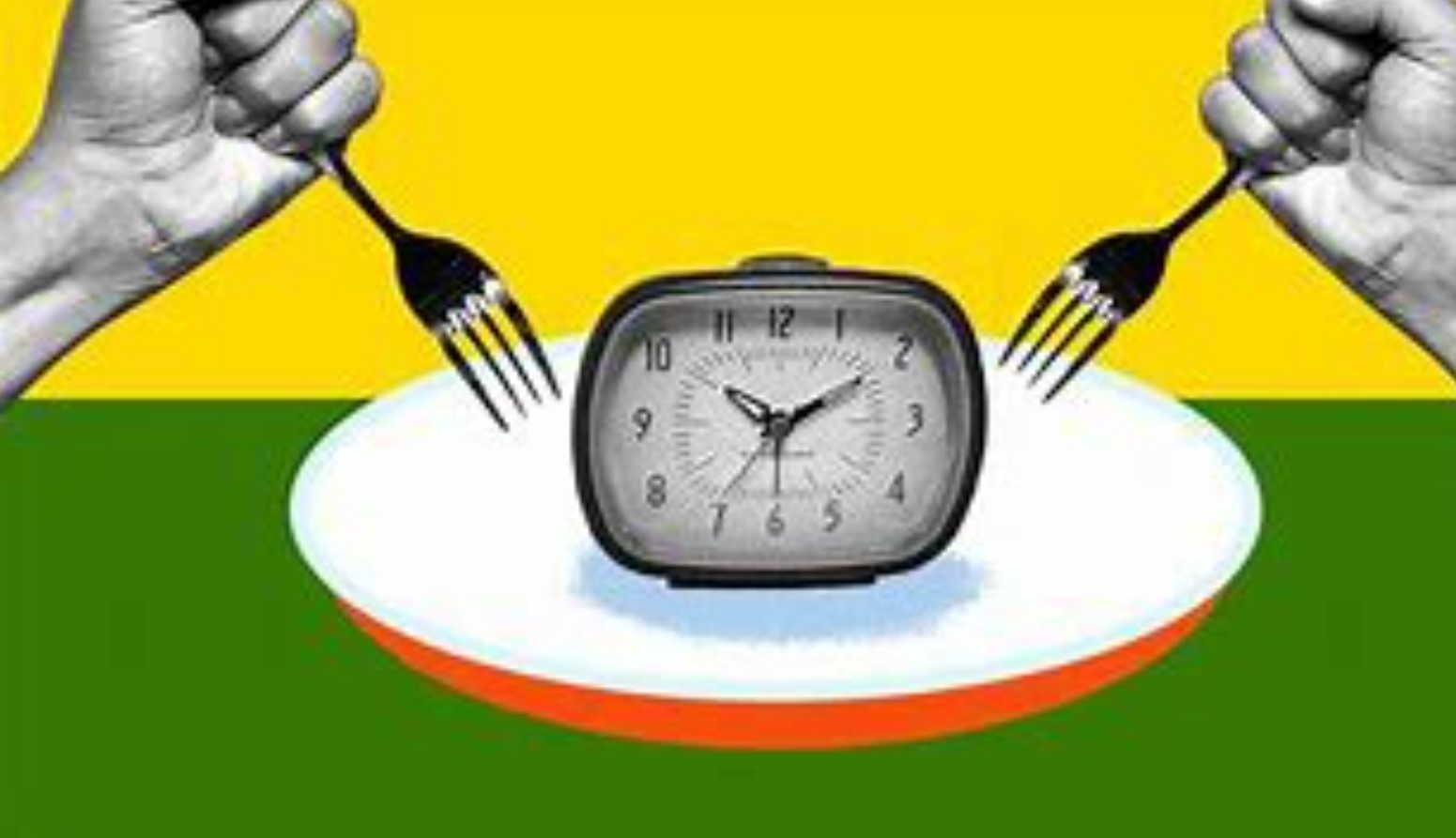
Fasting is a practice observed by various cultures and religions for spiritual, health, or cleansing purposes. During a fast, there are certain things you should avoid to ensure you adhere to the guidelines and make the process as safe and effective as possible. Here are some things you should not do while fasting:
Consuming Food and Beverages: The most obvious thing to avoid during a fast is consuming any food or beverages, including water. Fasting typically involves abstaining from all caloric intake for a specified period.
Overexertion: Strenuous physical activity can be challenging and potentially dangerous during a fast, especially if it’s an extended fast. Avoid intense workouts or activities that can lead to dehydration or low energy levels.
Alcohol and Caffeine: Avoid consuming alcohol and caffeine-containing beverages like coffee and tea. These can dehydrate the body and may interfere with the benefits of the fast.
Smoking: Smoking is not recommended during a fast, as it introduces toxins into the body. Some people use fasting as an opportunity to quit smoking.
Overindulgence Before or After: Avoid overeating or overindulging in unhealthy foods before or after the fast. This can lead to digestive discomfort and may negate some of the intended benefits of fasting.
Medications (Without Consultation): If you’re on medications, consult with a healthcare professional before fasting. Some medications may need to be adjusted or temporarily discontinued during a fast, but this should only be done under medical supervision.
Excessive Sugar or Salt Intake: When breaking a fast, avoid consuming foods high in sugar or salt, as they can lead to blood sugar spikes and water retention. Opt for light, easy-to-digest foods.
Skipping Hydration: While fasting from food is the primary focus, it’s essential to stay hydrated. Depending on the type of fast, you may be allowed water, herbal tea, or other non-caloric beverages. Dehydration can lead to various health issues.
Ignoring Your Body: Pay attention to your body’s signals. If you experience extreme discomfort, dizziness, or other concerning symptoms, consider breaking the fast and seeking medical advice.
Negative Thoughts: Try to maintain a positive mindset during your fast. Stress and negativity can affect the body’s response to fasting. Engage in relaxation techniques or meditation to stay calm and focused.
Judging or Comparing: Everyone’s fasting experience is unique. Avoid comparing your fast to others or judging yourself based on someone else’s experience. Listen to your body and do what feels right for you.
Skipping Pre-Fast and Post-Fast Planning: Proper preparation for a fast is essential. Create a meal plan to ease into and break the fast safely. A sudden return to regular eating can be hard on the digestive system.
Fasting When Not Suitable: Fasting may not be suitable for everyone, especially individuals with certain medical conditions or during pregnancy and breastfeeding. Consult with a healthcare professional before embarking on a fast.
The specific guidelines for fasting can vary widely, so it’s important to be aware of the recommendations for the particular type of fast you plan to undertake. Always prioritize your health and well-being, and consult with a healthcare professional if you have any doubts or underlying medical conditions.
Explain the benefits of fasting.
Fasting, when done with proper knowledge and consideration, can offer a range of potential health benefits. It’s important to note that fasting may not be suitable for everyone, and it should be approached with caution and under the guidance of a healthcare professional if you have underlying medical conditions. Here are some of the potential benefits of fasting:
Weight Loss: Fasting can lead to a calorie deficit, which may result in weight loss. When the body is in a fasting state, it begins to break down stored fat for energy.
Improved Insulin Sensitivity: Fasting may enhance insulin sensitivity, which can be beneficial for individuals with insulin resistance or type 2 diabetes. It helps regulate blood sugar levels.
Cellular Autophagy: Fasting can stimulate a process called autophagy, in which the body removes damaged or dysfunctional cells and proteins, potentially promoting overall cellular health.
Heart Health: Some research suggests that fasting may improve heart health by reducing risk factors such as high blood pressure, cholesterol levels, and inflammation.
Enhanced Brain Function: Fasting may support cognitive function and brain health by promoting the production of brain-derived neurotrophic factor (BDNF), which is associated with improved memory and learning.
Reduction in Inflammation: Fasting may reduce chronic inflammation in the body, which is linked to various diseases, including arthritis, heart disease, and certain cancers.
Improved Metabolism: Fasting can help reset the metabolism and improve the efficiency of energy utilization in the body.
Gut Health: Periodic fasting may positively impact gut health by promoting a more diverse microbiome and supporting the growth of beneficial gut bacteria.
Enhanced Longevity: Some animal studies suggest that fasting can increase lifespan and delay the onset of age-related diseases.
Mood and Mental Health: Fasting may have a positive impact on mood and mental health by regulating hormones and promoting the release of feel-good chemicals like endorphins.
Spiritual and Psychological Benefits: Fasting has been a spiritual practice in various cultures for centuries. It can promote mindfulness, discipline, and self-reflection.
Support for Cancer Treatment: Some research indicates that fasting may enhance the effectiveness of cancer treatments and reduce the side effects of chemotherapy.
Autonomous Eating Patterns: Fasting can help individuals break free from constant snacking and promote more mindful and conscious eating patterns.
Simplicity and Convenience: Fasting can simplify meal planning and reduce the time and effort spent on food preparation.
It’s important to approach fasting with the right information and awareness of its potential risks. Fasting may not be suitable for pregnant or breastfeeding individuals, children, individuals with eating disorders, or those with certain medical conditions. If you’re considering fasting for any reason, it’s advisable to consult with a healthcare professional to ensure it’s appropriate for your specific situation and to receive guidance on how to do it safely. Additionally, remember that fasting should be combined with a balanced and healthy diet during eating periods to maximize its benefits.
What are some fasting methods?
There are various fasting methods that people use to achieve different health and wellness goals. The choice of fasting method can depend on individual preferences, lifestyle, and specific health objectives. Here are some common fasting methods:
Intermittent Fasting (IF):
16/8 Method: Involves fasting for 16 hours and eating within an 8-hour window each day. For example, you might eat between 12:00 PM and 8:00 PM and fast from 8:00 PM to 12:00 PM the next day.
5:2 Method: Involves eating normally for five days of the week and consuming very few calories (typically around 500-600) on two non-consecutive days.
Eat-Stop-Eat: Requires fasting for a full 24 hours once or twice a week. For example, you might fast from dinner one day to dinner the next day.
Alternate-Day Fasting (ADF):
Involves alternating between days of regular eating and days of fasting or consuming very few calories.
The Warrior Diet:
Combines a 20-hour fasting period with a 4-hour eating window in the evening. During the fasting period, small amounts of raw fruits and vegetables or light snacks may be consumed.
OMAD (One Meal a Day):
Restricts eating to a single meal each day, typically within a one-hour time frame.
Extended Fasting:
Longer fasting periods, such as 48 hours, 72 hours, or more. Extended fasting should be done under close medical supervision and with adequate preparation.
Water Fasting:
Involves consuming only water for a specific period, typically ranging from 24 hours to several days. This should be done with caution and medical guidance.
Juice Fasting:
Restricts caloric intake to fruit or vegetable juices and water for a designated period. This method is often used for detoxification.
Time-Restricted Eating (TRE):
Similar to intermittent fasting, TRE involves limiting the daily eating window to a specific timeframe.
Fasting-Mimicking Diet (FMD):
A diet that restricts calories for a few days while still providing essential nutrients. It’s designed to mimic the effects of fasting on the body.
Dry Fasting:
A more extreme form of fasting that includes abstaining from both food and water. Dry fasting is generally not recommended without proper supervision due to potential health risks.
Customized Fasting: Some individuals create their own fasting schedules and methods based on their preferences and goals.
Before starting any fasting regimen, it’s important to consult with a healthcare professional, especially if you have underlying health conditions, are pregnant, or are taking medications. Fasting should be done safely and responsibly, and it’s important to be aware of the potential side effects and health risks associated with fasting. Additionally, staying well-hydrated during fasting periods and maintaining a balanced diet during eating windows is crucial for overall health and well-being.