
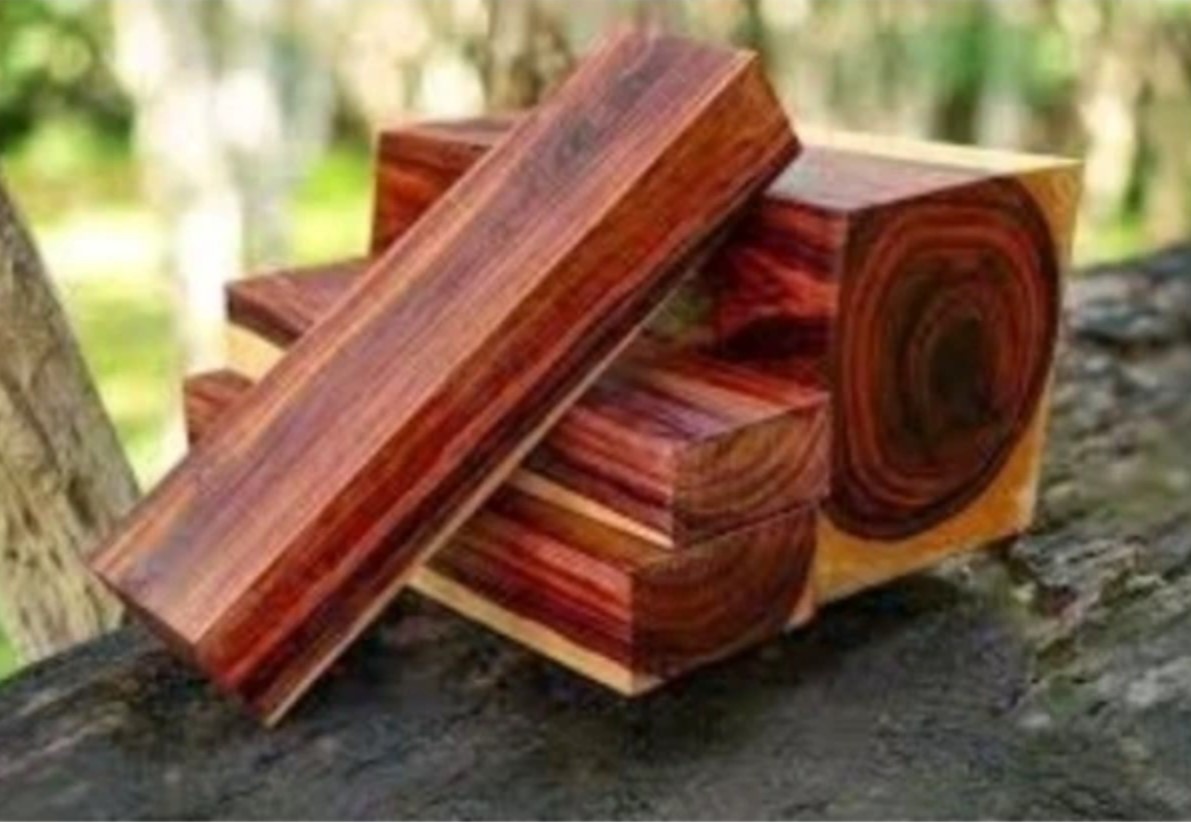
The most expensive tree in the world, found in Africa, is the Agarwood tree (Aquilaria species), specifically known for producing Agarwood, also referred to as oud or agar. The high value of Agarwood is primarily attributed to the resinous heartwood it develops in response to fungal infections. This unique and aromatic resin is highly prized in the production of perfumes, incense, and traditional medicines.
Agarwood has been used for centuries in various cultures for its rich and captivating fragrance. The process of obtaining Agarwood is intricate, involving the harvesting of infected trees and extracting the resin-laden heartwood. Due to the unpredictable occurrence of fungal infection and the labour-intensive extraction process, Agarwood is rare and has become one of the most expensive natural raw materials globally.
The demand for Agarwood has led to overharvesting, making these trees endangered in the wild. Consequently, there are conservation efforts to protect and sustainably cultivate Agarwood, balancing the economic value with environmental concerns.
The captivating scent of Agarwood has made it a symbol of luxury, with its presence in high-end perfumery and exclusive fragrances. As a result, the Agarwood tree remains not only a botanical wonder but also a testament to the intricate relationship between nature, culture, and commerce.