
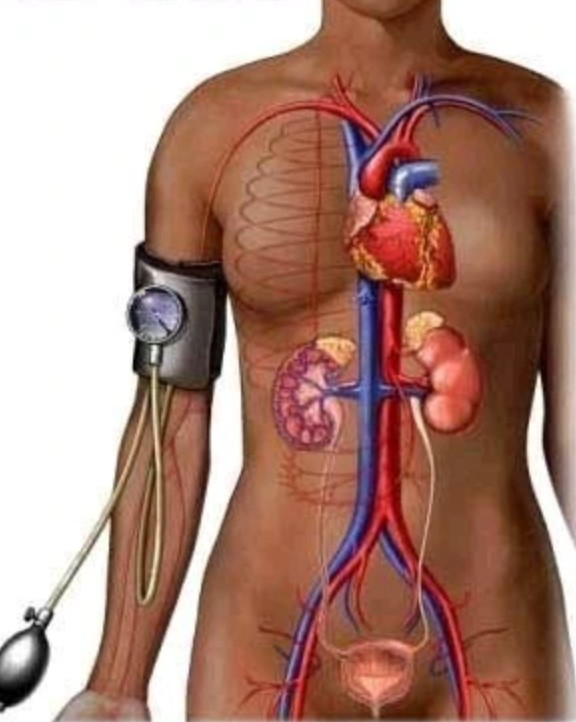
High blood pressure, or hypertension, is often referred to as the “silent killer” because it typically has no symptoms until it reaches advanced stages. However, uncontrolled hypertension can lead to serious health complications such as heart disease, stroke, kidney damage, and vision loss. While high blood pressure itself may not cause noticeable symptoms, there are some signs and symptoms that may indicate elevated blood pressure levels or complications associated with hypertension:
1. **Headaches**: Persistent headaches, especially at the back of the head, can be a symptom of high blood pressure. However, headaches alone are not a reliable indicator of hypertension, as they can have various causes. If headaches are accompanied by other symptoms like dizziness, blurred vision, or nausea, it’s essential to monitor your blood pressure and consult a healthcare professional...CLICK HERE TO CONTINUE READING>>CLICK HERE TO CONTINUE READING>>>>>>
2. **Fatigue or Confusion**: Feeling unusually tired or experiencing difficulty concentrating may occur with high blood pressure, particularly during hypertensive crises when blood pressure levels are extremely high. These symptoms can result from reduced blood flow to the brain, affecting cognitive function and energy levels.
3. **Vision Problems**: Hypertension can damage the blood vessels in the eyes, leading to vision changes or vision loss. Blurred vision, double vision, or seeing spots (floaters) may occur as a result of hypertensive retinopathy, a condition characterized by damage to the retina caused by high blood pressure.
4. **Chest Pain**: Chest pain or discomfort may occur in individuals with high blood pressure, particularly during hypertensive crises or if hypertension has led to heart disease or angina. Chest pain associated with high blood pressure may be a sign of a heart attack or other cardiovascular complications and should be promptly evaluated by a healthcare provider.
5. **Shortness of Breath**: Difficulty breathing or shortness of breath can occur with high blood pressure, especially if it has led to heart failure or fluid buildup in the lungs (pulmonary edema). This symptom may worsen with physical exertion or when lying flat and may indicate a need for immediate medical attention.
6. **Irregular Heartbeat**: High blood pressure can cause the heart to work harder to pump blood, leading to irregular heart rhythms or palpitations. While palpitations can have various causes, they may occur more frequently or be more pronounced in individuals with uncontrolled hypertension.
It’s important to note that these symptoms are not exclusive to high blood pressure and can occur due to other health conditions as well. Additionally, some individuals with high blood pressure may not experience any symptoms at all, underscoring the importance of regular blood pressure monitoring, especially as we age or if there’s a family history of hypertension or related health conditions. If you experience any concerning symptoms or have risk factors for high blood pressure, such as obesity, sedentary lifestyle, or a family history of hypertension, it’s crucial to consult a healthcare professional for proper evaluation, diagnosis, and management. Early detection and treatment of high blood pressure can help prevent complications and improve overall health outcomes.