
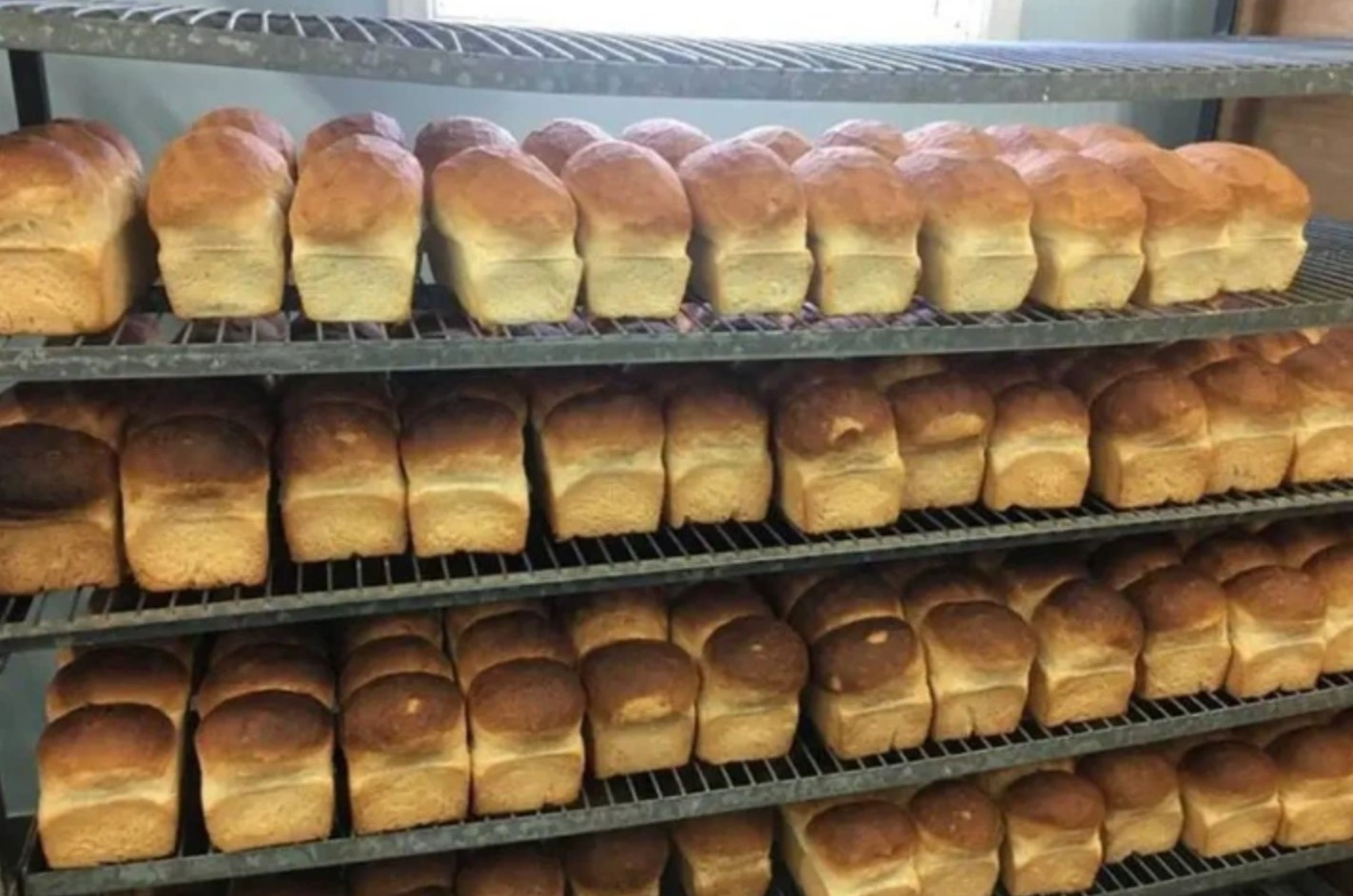
These are challenging times for Nigerians, especially for the average citizen, often referred to as the lower class.
This is because bread, once the most accessible and affordable food option for the less privileged, is now beyond their means. The prices of essential food items have been steadily rising, adversely impacting the general population.
Numerous individuals are succumbing to starvation, while many others are afflicted by various illnesses resulting from malnutrition. Inflation has reached alarming levels, impacting the prices of all commodities, including essential food items. The nation’s currency, the Naira, continues to decline in the global market, exacerbating economic hardships for numerous Nigerian families. Recently, demonstrations erupted in Niger and Kano States due to the exorbitant cost of living.
Nigerians, especially the common people, are facing challenging times due to the soaring prices of essential goods, notably bread, which was once a staple for the poor but is now beyond their means. The escalating cost of food items, coupled with rampant inflation, is causing widespread suffering and malnutrition among the populace. The continuous depreciation of the Naira in the global market is further exacerbating economic difficulties for many households. Recent protests in Niger and Kano States highlight the growing discontent over the high cost of living. Regrettably, the government has yet to find a solution to the problem, particularly the persistent increase in the price of wheat flour, the main ingredient for bread production. This situation has become a significant concern for both bread producers and consumers. In Kano State, local bread bakers recently protested against the steep rise in flour prices, stating that it jeopardizes their businesses, as the cost of a bag of flour has surged from N16,000 to N43,000.
Leading the protest was Fatima Awwal, the chairperson of the association, who urged the Federal Government to promptly address the continuous rise in the price of flour. She emphasized that if the government did not intervene quickly, many of them would inevitably go out of business.
She said: “We are out here on the streets protesting to let the leaders know the economic hardship that we are facing at the moment.
The current situation in Nigeria is dire, especially for the lower-class citizens, as bread, once an affordable staple, is now out of reach due to skyrocketing prices of food items. Malnutrition and hunger are prevalent, exacerbated by alarming inflation and the depreciation of the Naira. Recent protests in Niger and Kano States highlight the frustration over the high cost of living. Despite this, the government has yet to address the root cause, notably the consistent increase in wheat flour prices. Fatima Awwal, the chairperson of the association, led the protest, urging urgent government intervention to curb the incessant rise in flour prices. She emphasized the devastating impact on small-scale businesses, particularly those run by women, with many forced to shut down due to capital constraints. The price of flour has surged from N16,000 to N43,000 per bag, posing significant challenges for bread producers who cater to the needs of the poor.
“We urge the authorities and relevant stakeholders to address this issue promptly, as our businesses are suffering, directly impacting our families. Many of us are widows, and this is our means of providing for our households. With life becoming increasingly challenging, we struggle to feed our families or send our children to school due to these hardships. We currently rely on IRS flour produced by Abdussamad, which is ideal for our products, but its affordability is now beyond our reach. Without intervention, we may be forced to cease operations, adversely affecting the public.”
“We adhere strictly to the principles of Islam and cannot participate in any activity that contradicts our religious beliefs. Therefore, we urge governments at all levels to intervene in the exorbitant pricing of flour by encouraging flour-producing companies to lower their prices. We implore the government to explore avenues to support these companies in obtaining foreign exchange, thereby reducing production costs. In the northern region, Gurasa, a type of local bread made from a mixture of flour, yeast, sugar, and water, is commonly consumed.”
Gurasa serves as a staple food for numerous individuals, particularly those from disadvantaged backgrounds, and contributes to job creation as it is widely sold in various locations such as markets, motor parks, and roadside stalls. Protesters displayed placards with messages including ‘Inflation is excessively high,’ ‘We oppose the increase in flour prices,’ ‘The Federal Government must take immediate action to address the rise in flour prices,’ ‘Examine the surge in flour prices,’ ‘Nigerians are experiencing hunger,’ and ‘Gurasa is the primary food source for the less privileged,’ among others.
Some individuals attribute the price hikes to the removal of fuel subsidies, arguing that it has impacted prices across the board, including transportation. Others attribute it to the ongoing depreciation of the Naira against the dollar. Advocates for the fuel subsidy removal argument contend that the policy led to a more than 400 per cent increase in fuel and diesel prices, consequently escalating transportation costs significantly.
“The removal of fuel subsidies is deemed as the government’s most detrimental policy, resulting in hunger, starvation, and even fatalities in extreme cases. It has particularly impacted breadbakers adversely, leading to numerous closures of shops. Transporting flour from the purchase location to the factory and distribution points incurs significant expenses, which are ultimately reflected in the production costs, making bread unaffordable for the average person,” expressed Kolade Folurunsho, a bread baker.
Livinus Eze, an engineer who transitioned into the bread baking industry to generate employment for young people and boost his income, has shuttered his factory due to the continuous surge in flour and other bread baking raw material costs. While acknowledging the impact of the Naira’s exchange rate against the dollar, he primarily attributes the high cost of flour to the removal of fuel subsidies. According to him, “The core issue behind all this is the removal of fuel subsidies. Fuel plays a vital role in all economic activities in Nigeria.”
“Even in rural areas, transportation of goods to consumers relies on vehicles, and with transporters raising fares due to high fuel costs, this directly impacts bread prices. Bakers, who already pay more for purchasing and transporting flour, the bread’s raw material, will inevitably pass on these increased costs to consumers.”
he said: “Fuel increased by 400 percent following the fuel subsidy removal, and you don’t expect all things to be equal. It has affected prices of virtually all goods and services. Diesel is also there and for those who use trucks to convey their products, the prices will go up.
“This situation is taking a toll on bakers, as many have been forced out of business due to the unaffordable price of flour. I am a firsthand example; I had to shut down my operations because I couldn’t afford the exorbitant price of flour. A bag of flour that was priced at N12,000 before May last year here in Port Harcourt, Rivers State, now exceeds N50,000. How many individuals can afford such a steep increase? And even if we manage to bake bread, at what price can we sell it? Isn’t it primarily for the sake of children that people still purchase bread?”
“Nowadays, many individuals purchase bread primarily for their young children who rely on it for breakfast. However, even this demographic is facing challenges, as the affordability of bread has become increasingly difficult. Even the commonly patronized ‘Agege bread’ by the lower class is now out of reach for many. As a result, some families have had to forgo tea altogether because they cannot afford bread. It’s a dire situation.”
Eze emphasized the urgent need for government intervention to address this concerning trend, expressing dismay that the steep price increases extend beyond wheat flour to virtually all essential goods. He highlighted examples like a toothbrush, which has nearly tripled in price from N150 to about N400. According to him, everything has changed, leading to significant hardship for people. While the subsidy argument holds merit, another perspective attributes the situation to the high Naira to Dollar exchange rate in the international market.
Supporting this viewpoint is Mr. Okechukwu Godwin, a bread baker based in Kebbi State, North West Nigeria. He contends that since wheat flour, a key ingredient for bread baking, is imported, the Dollar to Naira exchange rate poses a significant challenge. According to him, when buyers purchase wheat from abroad and convert their dollars to Naira upon returning to Nigeria, they incorporate the equivalent amount into the selling price for local bread producers.
“Wheat is imported, and upon returning to Nigeria, importers sell based on the Naira equivalent of the dollar they used to purchase the flour. Given the current exchange rate, with the Naira valued as low as approximately 1$ equaling between N1,500 and N1,510, the challenges we face are evident. Numerous individuals have already been forced out of business, and without government intervention to stem the ongoing depreciation of the Naira, particularly against the dollar, more will soon follow suit.”
He also pointed out that the high prices of sugar, fuel, and gas also play a role. “The cost of sugar is exorbitant, and transportation expenses for fuel and gas add to the overall cost of bread today. In the past, many could easily purchase a loaf of bread for around N100 and pair it with a bottle of soda like Coke, Fanta, or Sprite for a complete meal.”
“But, with the price of bread today, only a few Nigerians can afford that; it has become a luxury to eat bread today in Nigeria. And it shouldn’t be so because bread is one of the major staple foods that is affordable to the common man,” he said.
Regarding the impact of the increasing cost of flour on his bread baking business, he expressed, “It severely affects us because often, after production and sales, when we return to purchase more flour, the price has risen significantly from our previous purchase. For instance, we might buy a bag of flour for N38,000, but upon returning, we find it has increased to N42,000. This situation forces us to borrow money just to restock. It has caused widespread confusion among us. Urgent government intervention is needed to address this trend. People are frustrated, angry, disillusioned, and disenchanted, and the situation may lead to desperate actions.”
“Remember that a hungry man is an angry man, and an angry man is a violent man, and a violent man is an unreasonable man, and an unreasonable man is a danger to society because he could do anything,” he submitted.
He observed that many low-income families struggling to feed their children with beans and bread face immense challenges today. “Whatever is driving this drastic rise in bread prices must be addressed. Whether it’s increased transportation costs due to fuel subsidy removal or the high Naira-Dollar exchange rate, the government must tackle the issue head-on. Food is one of humanity’s three basic needs, second only to air, and a hungry population poses a significant threat to any nation.”
“So, the government must not allow this hardship to continue; something must be done urgently to arrest the situation,” he said.