
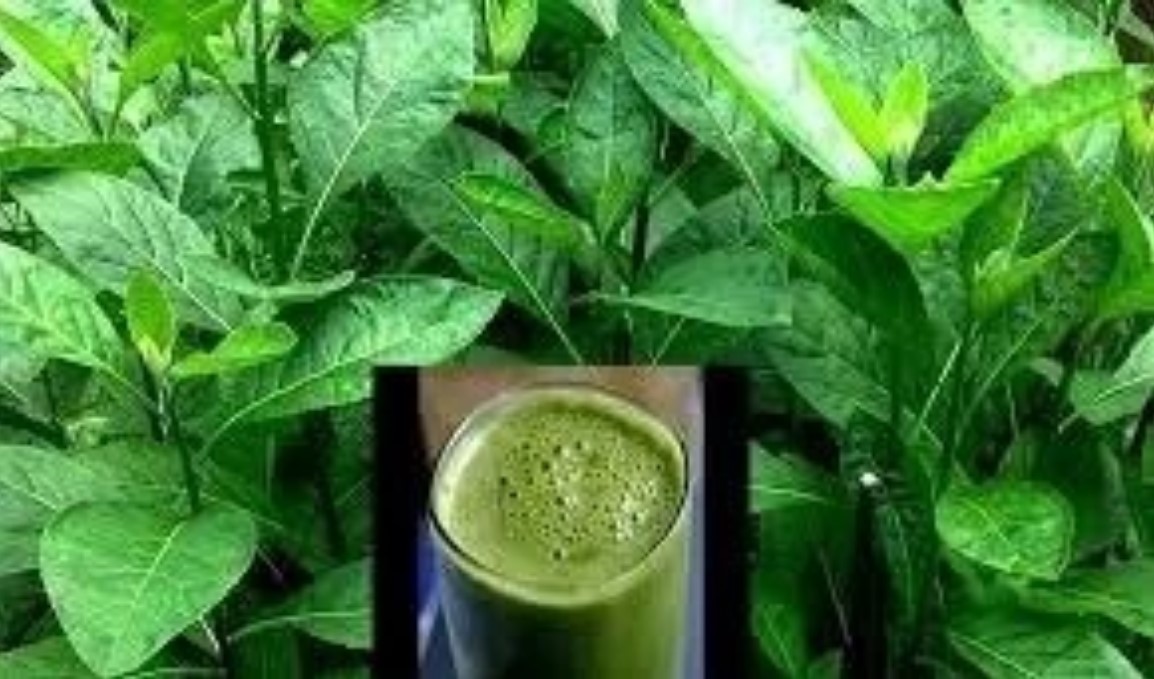
Using natural remedies to alleviate various ailments has gained popularity due to their perceived effectiveness and minimal side effects. Among these remedies, certain leaves have been attributed with health benefits ranging from managing blood pressure and diabetes to relieving stomach pain. While these claims may hold some truth, it’s essential to approach them with caution and understanding.
Firstly, let’s address the purported benefits of specific leaves:
1. **Neem Leaves**: Neem leaves have been traditionally used in Ayurvedic medicine for their antibacterial, antiviral, and anti-inflammatory properties. Studies suggest they may help in managing diabetes by improving insulin sensitivity and lowering blood sugar levels.
2. **Guava Leaves**: Guava leaves are rich in antioxidants and have been studied for their potential to lower blood sugar levels. They contain compounds that inhibit the absorption of sugar in the body, making them beneficial for diabetic individuals.
3. **Holy Basil (Tulsi) Leaves**: Holy basil leaves are revered in Ayurveda for their adaptogenic properties, helping the body cope with stress. They also possess anti-inflammatory and antimicrobial properties, which may aid in managing various ailments, including stomach pain and diabetes.
4. **Mango Leaves**: Mango leaves are traditionally used in some cultures to regulate blood pressure. They contain compounds like flavonoids and phenols that may contribute to their antihypertensive effects.
5. **Peppermint Leaves**: Peppermint leaves contain menthol, which has a calming effect on the stomach muscles, relieving symptoms of indigestion and stomach pain.
While these leaves show promise in managing certain conditions, it’s crucial to emphasize that they are not a substitute for professional medical advice and treatment. Consulting with a healthcare provider before incorporating them into your regimen is advisable, especially if you have pre-existing health conditions or are taking medication.
Moreover, individual responses to these remedies may vary, and what works for one person may not work for another. Additionally, using leaves as a sole treatment for chronic conditions like diabetes or hypertension may not provide adequate control and could pose risks if not managed properly.
In conclusion, while certain leaves may offer health benefits, their efficacy and safety should be approached with caution. Integrating them into a holistic healthcare plan under the guidance of a healthcare professional may yield the best results in managing various ailments.