
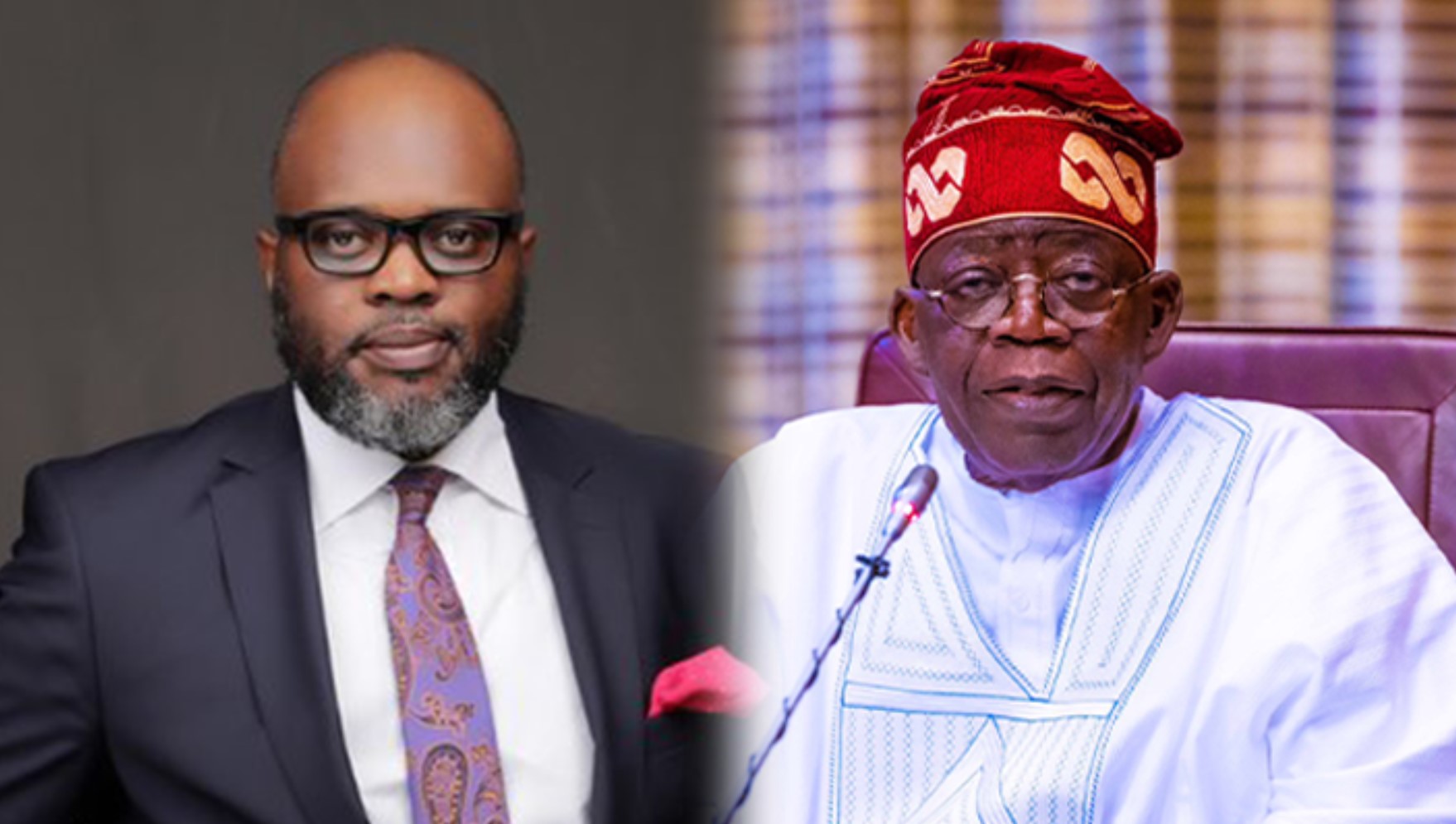

At a roundtable discussion organized by the National Policy Advocacy Centre (NPAC) of the Abuja Chamber of Commerce and Industry (ACCI), Tope Fasua, President Bola Tinubu’s special adviser on economic affairs, emphasized the need for a structural reform of Nigeria’s foreign exchange market.
The discussion, which was themed ‘Unification of Foreign Exchange and the Effect of Fuel Subsidy Removal on the Business Community,’ took place in Abuja on Tuesday.
The presidential adviser suggests that the Bureau de Change (BDC) sector needs to undergo structural reforms to make it stronger. With over 5,000 BDCs selling money on the streets, it becomes difficult to manage. By supervising and reforming the BDCs and banks, the CBN can incentivize the sector and make it more efficient. This will help people get their money much quicker using our reserves.
Mr Fasua added, “And you have to define the illegal market, and by then, we will be able to find stability,” noting that Nigeria spends over $45 billion annually importing refined petroleum products, milk, chemicals, and fish.
“I hear things like scarcity of forex. What is scarcity of forex, as if the world owes us any forex? The world does not owe us any forex. The forex you get depends on the trade that you do,” Mr Fasua stated. “If you look at Nigeria’s import and export profile, over 20 items that we import in Nigeria are in the billions of dollar range. Our biggest import, fuel and diesel, take about $25 billion to $30 billion every year.”
The presidential adviser added, “We have things like cars, which is about four billion every year; sugar, fish, milk one billion each; wheat, four billion; chemicals, three billion dollars; pharmaceuticals, two billion dollars.”
Mr Fasua listed crude oil and fertilizer as two things Nigeria exports in the billion-dollar range.
“The first is petroleum and gas; you will see a figure like $57 billion, but out of that, only 30 percent is ours, according to Nigeria Extractive Industries Transparency Initiative (NEITI),” the presidential adviser on economic affairs. “The international oil companies that have the technology that do production own most of that money.”