
Vitamins, minerals, proteins and antioxidants, fights free radicals and inflammation, helps keep blood sugar and cholesterol under control, precious source of iron, useful against depression and anxietyQuinoa is an ancient food, cultivated by pre-Columbian Andean peoples. Nowadays quinoa is known all over the world and is easily available in every supermarket. In fact, quinoa is considered to all intents and purposes a superfood. Today we will try to understand why quinoa has earned this title by analyzing the results of the most recent scientific research.
Quinoa is a highly nutritious food that is often considered a cereal due to its composition. Unlike other cereals, it does not belong to the Poaceae family.
It is an excellent source of both soluble and insoluble fiber, unsaturated fatty acids, and high-quality protein. It also provides carbohydrates, which are assimilated more slowly than those in other cereals, vitamins including A, B1, B2, B3, B5, B6, and B9, and minerals such as copper, calcium, iron, phosphorus, potassium, magnesium, and zinc. Additionally, it is rich in antioxidants, which help fight free radicals and inflammation, and it has a prebiotic effect on the gut microbiota, supporting the growth of good bacteria that produce short-chain fatty acids with anti-inflammatory properties. Furthermore, it does not contain gluten and is well tolerated by people with celiac disease.
Including quinoa in a healthy and varied diet can help regulate fasting blood sugar levels and reduce cholesterol values. For instance, studies have shown that consuming 25 grams of quinoa flakes per day can reduce total cholesterol and LDL cholesterol levels in menopausal women. In comparison to other cereals like barley, rye, and millet, quinoa contains phytosterols in higher amounts, which can help lower cholesterol levels.
Moreover, quinoa is a useful source of iron, as it is easily assimilated and contains low levels of phytic acid, which can limit iron absorption. Cooking quinoa further reduces the presence of phytic acid, making it an excellent choice for those with iron deficiency.
In addition, quinoa contains sinapic acid, which enhances the action of GABA, a substance with an inhibitory and calming effect on the central nervous system. As a result, quinoa can help counteract anxiety and stress.
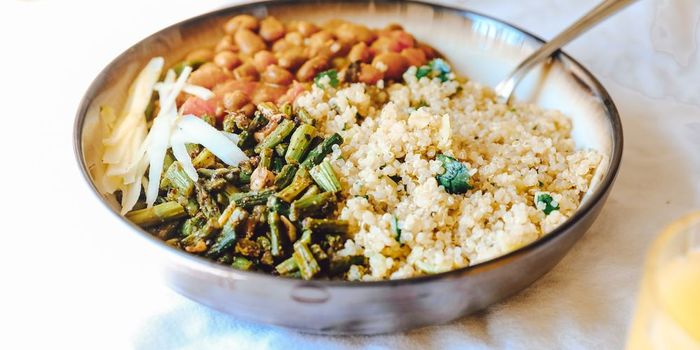
There are many ways to enjoy quinoa, including adding it to salads or using it as a nutritious filling for stuffed vegetables. Quinoa flour can also be used to partially replace wheat flour in baked goods such as bread, resulting in a product enriched with important properties due to its higher protein, fiber, and nutrient content. Replacing up to 50% of wheat flour with quinoa flour can improve the flavor and structure of the final product. However, it is essential not to exaggerate the quantity of quinoa flour used, as this can result in a dense and less soft product.