
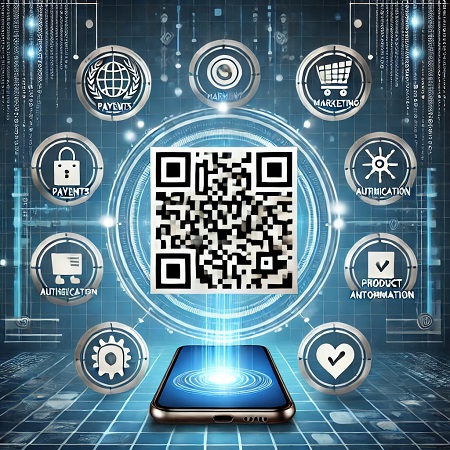
Not so long ago, getting a discount meant clipping a paper coupon from a magazine or scouring the internet for a promo code. Flash forward to today, and we’ve officially reached a digital-first era where saving money is as simple as pointing your phone at a black-and-white square. You heard that correctly—QR codes, which were dismissed as another flash-in-the-pan tech fad, have matured to become one of the most effective tools in the arsenal of modern retail, bridging the gap between offers and seamless customer engagement. From Paper to Pixels: The Discount Revolution
Discounts have always been the fastest method of attracting attention to brands. The psychology is basic—individuals like the sensation of getting a bargain. The mechanism of providing discounts, nevertheless, has changed significantly.
In Nigeria and elsewhere, the pandemic hastened a shift towards contactless shopping, making retailers innovate. QR codes came at the right time. With a mere scan, customers can now:
- Instantly redeem in-store or online promo offers
- See their personalized discounts based on their shopping history
- Share promos with friends right from their phone
- No more digging in a messy wallet for a coupon. Now your discount is in the cloud—your smartphone is the key.
Why QR Codes Work So Well for Discounts
The beauty of QR codes is not novelty; it is efficiency. They turn many steps into a single, smooth step. No search. No type. Scan and save.
For retailers, the benefits are even greater:
- Measurable Engagement: Every scan delivers a data point, showing which promotions customers are engaging with best.
- Sustainable Discounting: No print or distribution costs, so discounts are less costly.
- Instant Updates: Change a discount’s amount, expiry date, or terms without reprinting anything—just update the page accordingly.
A Lagos clothing store, for example, can place QR codes on product tags, offering an extra 10% off upon checkout. Not only does it encourage buying, but also gives that subtle sense of exclusivity—buyers feel like they’ve stumbled upon a hidden offer.
Making QR Codes Meaningful, Not Decorative
- Placement: Put codes where consumers naturally pause—store entrances, checkout registers, café tables, or product packaging.
- Incentive: Make the reward clear. Instead of “Scan here,” say “Scan to save ₦1,500 today.”
- Experience: Don’t just lead to a bland webpage—take users to a well-designed landing page, maybe with a countdown timer or a thank-you message that reinforces the brand’s personality.
When done right, QR codes become more than a tech gimmick—they turn the act of claiming a discount into a small, enjoyable moment.
Real-World Examples in Nigeria
In the Nigerian market, we’re already seeing creative QR-based discount campaigns:
- Quick-Service Restaurants: Some fast food chains have QR codes on table tents, offering ₦500 off a meal for scanning and ordering through their app.
- Supermarkets: Weekly circulars now include QR codes to special flash sales, building urgency and traffic.
- Fashion Brands: Limited-edition apparel labels with embedded codes unlock a “mystery discount” when scanned—shopping just got more interactive.
The Future: Dynamic Discounts in Real-Time
As AI and consumer data are combined, QR code marketing will get smarter and smarter. Example: you walk into your favorite electronics retailer and scan a QR code that immediately recognizes what you’ve bought in the past and offers you 15% off accessories for the product you bought just last month.
This level of personalization strengthens customer loyalty, turns one-time consumers into return shoppers, and makes discounts appear less like a blanket marketing gimmick and more like a personalized reward.
Bottom line: Discounts are always going to be a part of retail. But in a world where speed, convenience, and personalization are the hallmarks of the shopping experience, QR codes have introduced a new spin on them. For consumers, it’s instant savings in their pocket. For businesses, it’s a potent bridge between the physical and digital worlds—one scan at a time.