
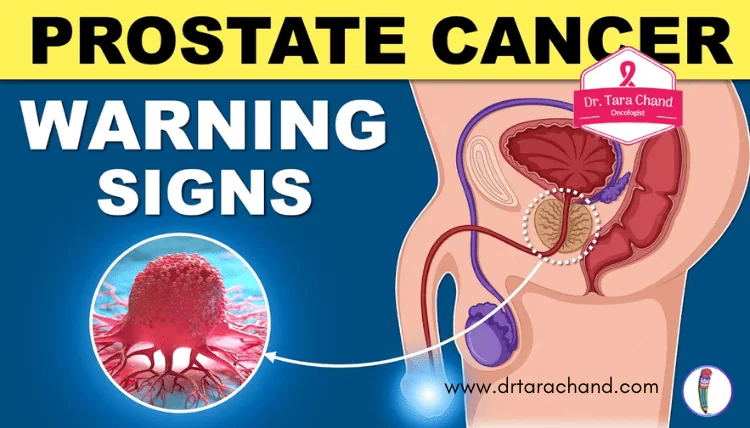
Prostate cancer is a prevalent form of cancer among men, particularly those over the age of 50. It occurs when abnormal cells develop in the prostate gland, a small walnut-shaped gland that produces seminal fluid. While the exact cause of prostate cancer is unknown, several risk factors have been identified, including age, family history, race, and lifestyle factors.
Causes of Prostate Cancer
The precise cause of prostate cancer remains elusive, but certain factors may increase a man’s risk of developing the disease. Age is one of the primary risk factors, with the risk of prostate cancer increasing significantly after the age of 50. Family history also plays a role, as men with close relatives who have had prostate cancer are at higher risk. Additionally, race can influence susceptibility, with African American men being more likely to develop prostate cancer than men of other racial backgrounds. Lifestyle factors such as smoking, obesity, and a diet high in red meat and processed foods have also been linked to an increased risk of prostate cancer.
Symptoms of Prostate Cancer
READ FULL STORY HERE TO CONTINUE READING>>>>
- This type of cancer often develops without causing any noticeable symptoms in its early stages. However, as the disease progresses, men may experience symptoms such as:
- Frequent urination, especially at night
- Difficulty starting or stopping urination
- Weak or interrupted urine flow
- Blood in the urine or semen
- Pain or discomfort in the pelvic area
- Erectile dysfunction
- Bone pain, especially in the hips, spine, or ribs
Natural Remedies and Lifestyle Changes
While there is no guaranteed way to prevent prostate cancer, certain natural remedies, supplements, and lifestyle changes may help reduce the risk or manage symptoms:
- Maintain a Healthy Diet: Consuming a balanced diet rich in fruits, vegetables, whole grains, and lean proteins can support overall health and may reduce the risk of prostate cancer. Limiting the intake of red meat, dairy products, and processed foods is also advisable.
- Regular Exercise: Engaging in regular physical activity can help maintain a healthy weight and reduce the risk of prostate cancer. Aim for at least 30 minutes of moderate exercise most days of the week, such as brisk walking, cycling, or swimming.
- Supplements: Some studies suggest that certain supplements may have a protective effect against prostate cancer. These include vitamin D, selenium, and lycopene, a compound found in tomatoes and other red fruits.
- Herbal Remedies: Saw palmetto, an herbal supplement derived from the fruit of the saw palmetto plant, has been traditionally used to support prostate health and may help alleviate symptoms of benign prostatic hyperplasia (BPH), a non-cancerous enlargement of the prostate gland.
- Stress Management: Chronic stress can weaken the immune system and contribute to inflammation, which may increase the risk of cancer. Incorporating stress-reducing activities such as meditation, yoga, or deep breathing exercises into your daily routine may help promote overall well-being.