
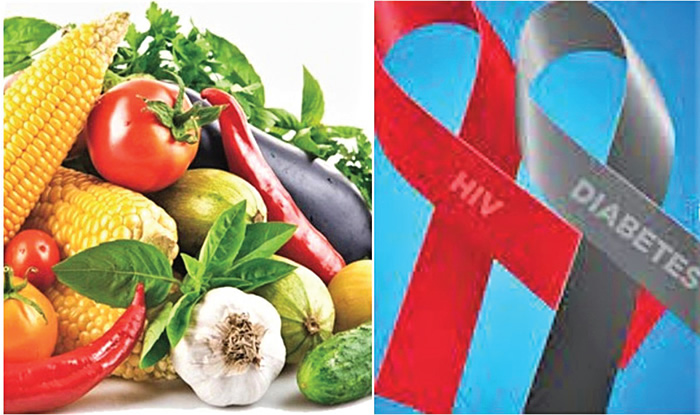
Maintaining good health and well-being is crucial for individuals living with HIV (Human Immunodeficiency Virus), and proper nutrition plays a significant role in achieving this goal.
While a well-balanced diet is necessary, there are specific foods that people with HIV should avoid or limit to manage their condition effectively. In this article, we will discuss some dietary considerations that can help those living with HIV stay healthy and well-nourished.
1. Sugary Foods and Beverages:
Excessive consumption of sugary foods and drinks can lead to weight gain and contribute to diabetes, which can worsen the effects of HIV. Limit sugary sodas, candies, and pastries in your diet.
2. Processed Foods:
Highly processed foods, such as fast food, fried snacks, and packaged meals, often contain unhealthy trans fats, excessive sodium, and preservatives. These can negatively impact your immune system and overall health.
3. Alcohol:
Alcohol can interact with HIV medications, reducing their effectiveness and potentially causing liver damage. It’s advisable to limit alcohol consumption or avoid it altogether. Consult with your healthcare provider for guidance on alcohol intake.
4. Caffeine:
While moderate caffeine consumption is generally safe for most people, excessive caffeine intake can lead to sleep disturbances, anxiety, and dehydration. Stay hydrated and be mindful of caffeine consumption.
5. Raw or Undercooked Seafood and Eggs:
Raw or undercooked seafood, such as sushi, and undercooked eggs can carry the risk of foodborne illnesses like salmonella. People with HIV have weakened immune systems and are more susceptible to these infections, so it’s best to avoid such foods.
6. Unpasteurized Dairy Products:
Unpasteurized dairy products like raw milk and certain cheeses can contain harmful bacteria. Opt for pasteurized dairy products to minimize the risk of food-borne illnesses.
7. High-Sugar Juices and Soda:
Fruit juices and sodas with high sugar content can lead to weight gain and dental issues. Choose water, herbal teas, or diluted juices to stay hydrated.
8. Foods High in Saturated and Trans Fats:
Saturated and trans fats found in fried foods, fatty cuts of meat, and processed snacks can increase the risk of heart disease. Opt for lean proteins and healthier fats like those found in nuts, seeds, and avocados.
9. Excessive Salt:
High-sodium foods can contribute to high blood pressure and heart problems. Limit your salt intake by avoiding heavily salted processed foods and adding less salt to your meals.
10. Unwashed Fruits and Vegetables:
Properly wash and handle fresh fruits and vegetables to minimize the risk of food-borne illnesses. Ensure that your produce is cleaned thoroughly before consumption.
Conclusion:
A balanced and nutritious diet is crucial for individuals living with HIV to maintain their health and support their immune system. While it’s essential to avoid or limit certain foods and beverages that can negatively affect overall health, it’s equally important to focus on a diet rich in fruits, vegetables, lean proteins, and whole grains. Consult with a healthcare provider or a registered dietitian who specializes in HIV nutrition for personalized dietary guidance tailored to your specific needs and medical history.