
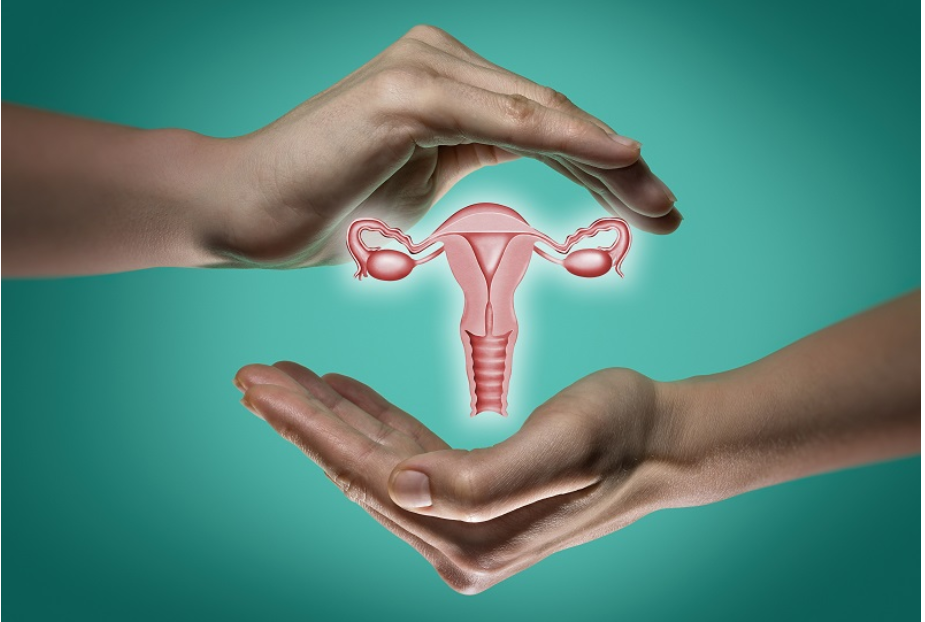
There are two types of cancer that majorly impact the female reproductive system: ovarian and cervical cancer. Tumors are formed when abnormal cells in the ovaries develop and reproduce uncontrollably, which results in ovarian cancer. It is frequently called the “silent killer” since early signs might not be apparent. However, symptoms including bloating, stomach pain, and changes in bowel habits may appear as the malignancy gets worse.
whereas the cells lining the cervix—the lower portion of the uterus—are where cervical cancer begins to grow. Usually, high-risk strains of the human papillomavirus (HPV) infection persist over time. Precancerous alterations in the cervix’s cells are frequently the first signs of cervical cancer and can be identified through regular Pap smears.
In a conversation with Jagran English, Dr. Anusha Rao P, who is a consultant in obstetrics and gynecology at Yashoda Hospital in Hyderabad, discussed the differences and similarities in symptoms of ovarian cancer and cervical cancer.
According to Dr. Anusha, “ovarian cancer and cervical cancer are distinct types of gynecological cancers, each affecting different parts of a woman’s reproductive system. Ovarian cancer originates in the ovaries, whereas cervical cancer starts in the cervix, the lower part of the uterus that connects to the vagina.”
While both cancers can occur in women, they have different risk factors. Ovarian cancer is often linked to factors such as age, family history, and certain genetic mutations. Cervical cancer is strongly associated with persistent human papillomavirus (HPV) infection, along with smoking, a weakened immune system, and long-term use of birth control pills.
Symptoms Of Ovarian And Cervial Cancer
Symptoms of ovarian cancer can be very vague, including bloating, pelvic pain, and changes in bowel habits. Cervical cancer symptoms may involve white discharge, abnormal vaginal bleeding, pain during intercourse, and pelvic pain. Regular gynecological check-ups and screenings are crucial for detecting both cancers in their early stages.
Ovarian cancer is challenging to screen for, and there is no routine screening test available. Diagnosis often occurs after symptoms manifest or through imaging and biopsy. In contrast, cervical cancer can be detected early through Pap smears and HPV testing, allowing for timely intervention and prevention.
Treatment For Ovarian And Cervial Cancer
Treatment modalities differ for ovarian and cervical cancer. Ovarian cancer treatment usually involves surgery, chemotherapy, and occasionally radiation therapy. Cervical cancer treatment may include surgery, radiation therapy, and chemotherapy, depending on the stage and extent of the disease. Fertility preservation options may also vary between the two.
In terms of prognosis, ovarian cancer is often diagnosed at an advanced stage, contributing to its lower survival rates. Cervical cancer, when detected early, has a more favorable prognosis due to effective screening methods and accessible treatment options.
At last, Dr. Anusha said, “Regular screenings, awareness of symptoms, and understanding individual risk factors are crucial in managing and preventing both cancers.”