
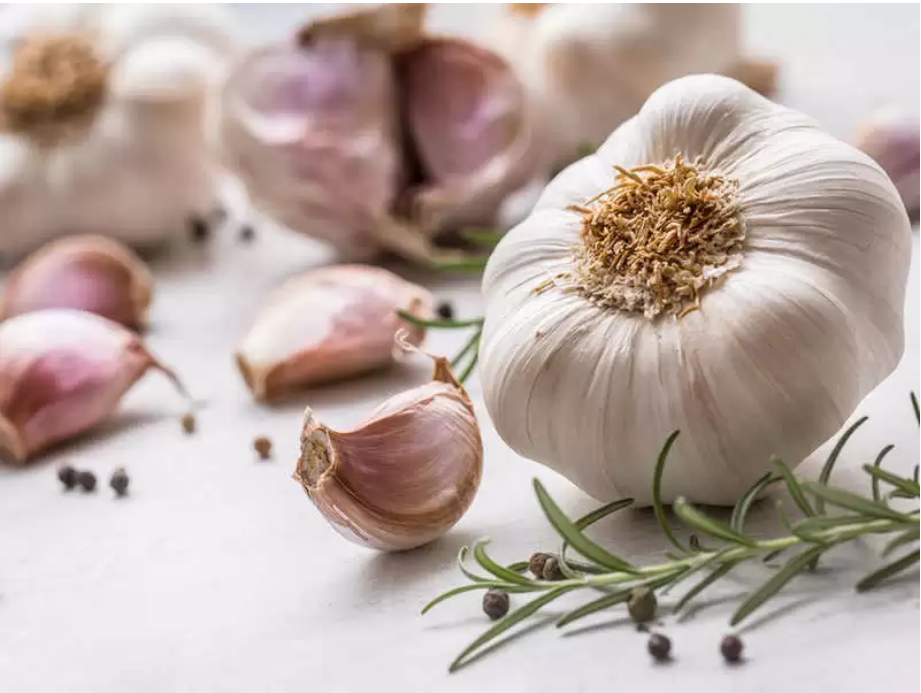
For many home chefs, garlic is a favorite spice to cook with, thanks to its pungent taste and aroma. It works especially well in stews, sauces, pizzas, and pasta dishes.This powerful ingredient is linked to several health benefits due to its medicinal properties.Although garlic is a healthy addition to a balanced diet, eating too much may cause several side effects;
Like onions, leeks, and asparagus, garlic is high in fructans, a type of carb that may cause bloating, gas, and stomach pain in some people .In fact, when those with a fructan intolerance eat a high fructan food, it isn’t fully absorbed in the small intestine. Instead, it travels to the colon intact and is fermented in your gut, a process that may contribute to digestive issues.
If you have gastroesophageal reflux disease (GERD), you may want to consider lowering your garlic intake.GERD is a common condition that occurs when stomach acid flows back up into your esophagus, causing symptoms like heartburn and nausea .Garlic may decrease lower esophageal sphincter (LES) tone, which is the ability of the muscles at the bottom of your esophagus to close and prevent acid from entering. In turn, this may trigger acid reflux.
Garlic contains a variety of sulfur compounds, which are often credited with its many health benefits .However, these compounds may cause bad breath, especially when eaten in large amounts. This is especially true for raw garlic, as cooking decreases the content of these beneficial sulfur compounds.