
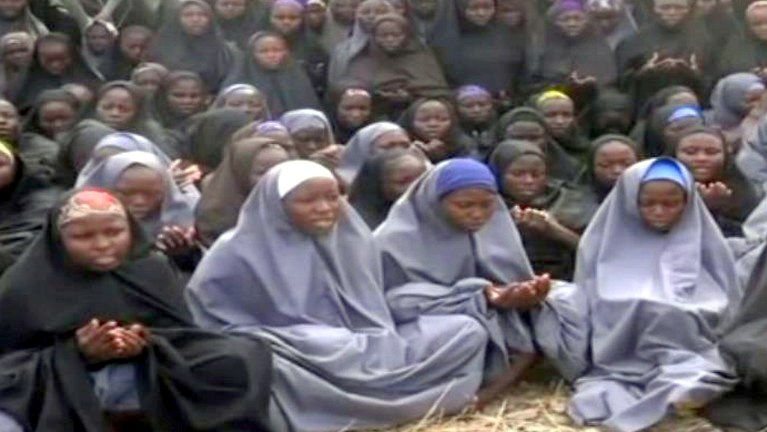
More than 1,680 schoolchildren have been kidnapped in Nigeria since the 2014 kidnapping of 276 schoolgirls from Chibok in Borno state, fears of attacks preventing some children from attending school, he said. save the children.
In April 2014, the hijacking of a school in Chibok made world news, sparking the #BringBackOurGirls movement and protests, which drew public support from celebrities and public figures including Malala Yousafzai, Hillary Clinton, and then-First Lady Michelle Obama.
However, a new data analysis by Save the Children reveals that attacks on schools remain out of the spotlight and highlights the violence faced by schoolchildren and teachers in Nigeria.
In addition to the kidnappings, more than 180 schoolchildren were killed and nearly 90 injured in 70 attacks between April 2014 and December 2022, with an estimated 60 school staff kidnapped and 14 killed. Twenty-five school buildings were reportedly destroyed during that period.
Most of these attacks took place in North-West Nigeria (49 attacks), followed by North-Central Nigeria (11 attacks).
ALSO READ: Chibok girls are still on our minds – Presidency
These attacks have lasting consequences for communities and for children’s access to education, often leading to mass withdrawals of children from school and school closures. In the state of Katsina, in the northwest of the country, almost 100 schools remain closed due to insecurity, affecting the education of more than 30,000 children.
After the attacks, children and communities are traumatized and most do not receive psychological support.
During focus group discussions with affected communities, Save the Children staff found that many children were too scared to return to school. One girl, who survived the attack on the Chibok school, said: “I am afraid of being a victim another day and of being killed or raped by the insurgents.”1
Save the Children Nigeria Country Director Famari Barro said more needed to be done to prevent attacks, but also to support children and their families afterward.
“Nearly 10 years after the tragic kidnapping of the Chibok girls made international headlines, more than 90 of them are still detained or missing, and countless children and teachers continue to live under the threat of violence, forcing many to run away or interrupt their education, sometimes forever.
“The combination of trauma and loss of education resulting from these attacks is likely to last a lifetime unless children are given the means and support to recover from the traumatic events they have been through and are able to return to the school. It is vital that children’s lives and the right to education are protected through the implementation of the Safe Schools Declaration throughout the country.”
In 2015, Nigeria passed the Safe Schools Declaration, which seeks to ensure the continuation of safe education during armed conflict and outlines commitments to strengthen the protection of education against attack, but it remains largely unimplemented at state and community levels. Rural community schools remain vulnerable to attack.
Ibrahim Sunoma, Vice President of the National Children’s Parliament of Nigeria, said:
“We call on the government and other relevant stakeholders to prioritize expanding the implementation of the Safe Schools Declaration across the country to ensure that children can learn in a protective environment in schools.
“The government at all levels must ensure the implementation of the national policy on safety, security and violence-free schools that would prevent attacks on education, more investment and funds must be made to prevent attacks on education in all 36 states. of the federation and federal. Capital Territory (FCT)”.
Save the Children has been working in Nigeria since 2001 and responding to the humanitarian crisis since 2014, providing food, clean water, nutrition and protective services, sexual and reproductive health care and education to families across the region.
Save the Children is also providing technical support to the government on policy changes and reforms, especially in critical sectors such as health, education and social protection.
In 2017, Save the Children launched Schools as Zones of Peace, a project that works with partners in the Education in Emergencies Working Group (EIEWG) to support the implementation of the Safe Schools Declaration and its guidelines to ensure the protection of education against attacks.
Read More Related News Here
Let hear it in the comment below if you do have an opinion on this; More than 1,680 schoolchildren kidnapped in Nigeria since the kidnapping of Chibok girls