
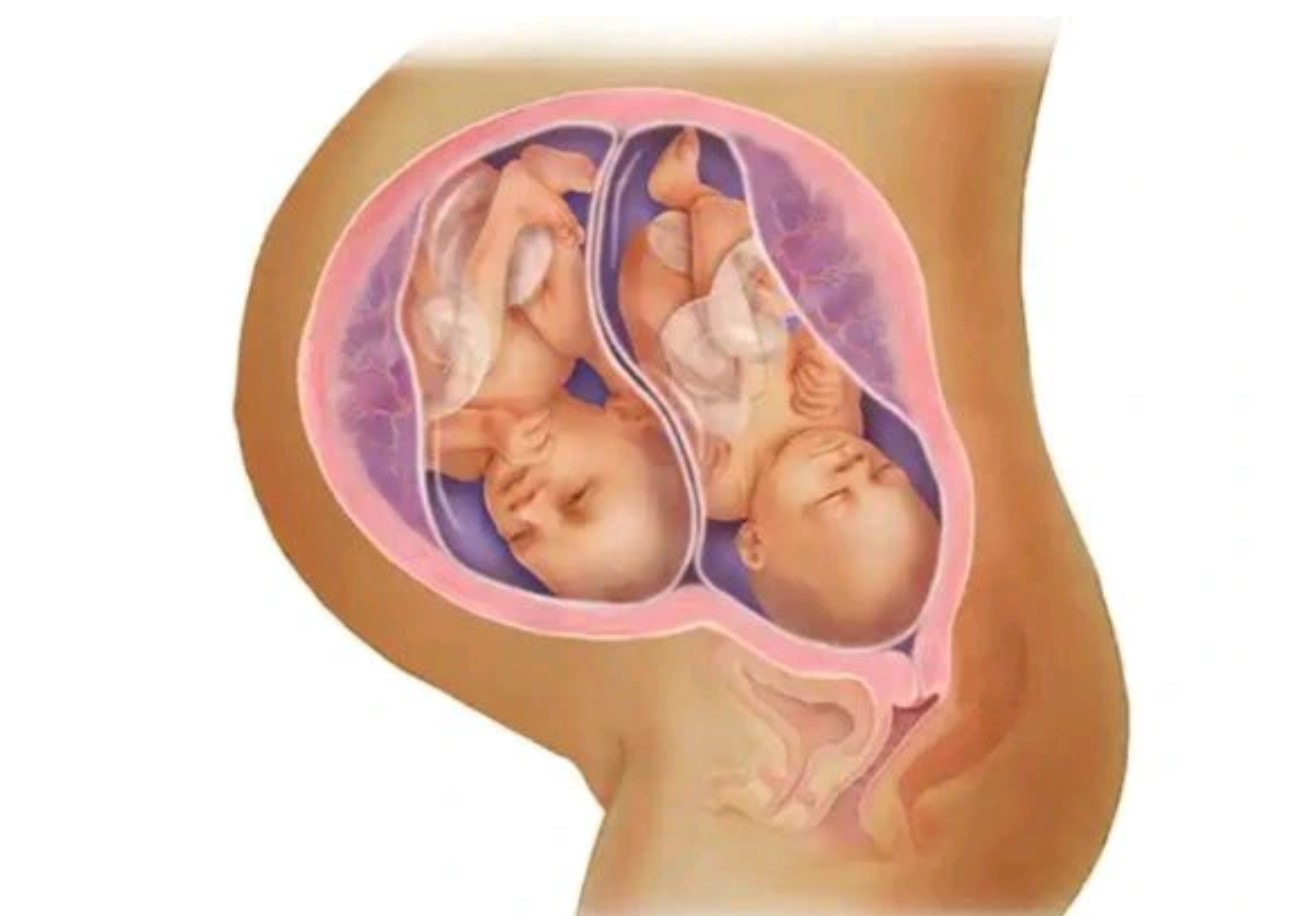
Based on information compiled by the Baby Center, it is feasible for a woman to conceive multiple children simultaneously with different biological fathers. The term used in the medical field to describe this phenomenon is heteropaternal superfecundation.
In this article, we will examine the process by which paternity is determined and discuss methods for accurately identifying the biological father of each child.
The Mechanism of Heteropaternal Superfecundation:
In exceptional instances involving fraternal twins, a woman can release two eggs during a single menstrual cycle. If she engages in intimate relations with different partners, each egg has the potential to become fertilized by a separate man. The second egg will also undergo fertilization.
In this scenario, the woman will be expecting twins who have been conceived by two different fathers.
Determining Paternity: A Comprehensive Guide
Phylogenetic features may not provide accurate identification of the fathers of the twins. In order to obtain a more reliable result, it is recommended to conduct the following tests:
A DNA paternity test can be conducted within a timeframe of 2 to 3 days following the birth of the babies, utilizing their DNA as well as that of the two potential fathers.
A prenatal paternity test can be conducted during pregnancy to determine whether multiple fetuses have distinct biological fathers. The maternal blood sample will be utilized for DNA analysis of the unborn infants, which will then be compared to the genetic profiles of the potential fathers.
Certainly, our deity is of immense greatness. I trust that you have acquired new knowledge.