
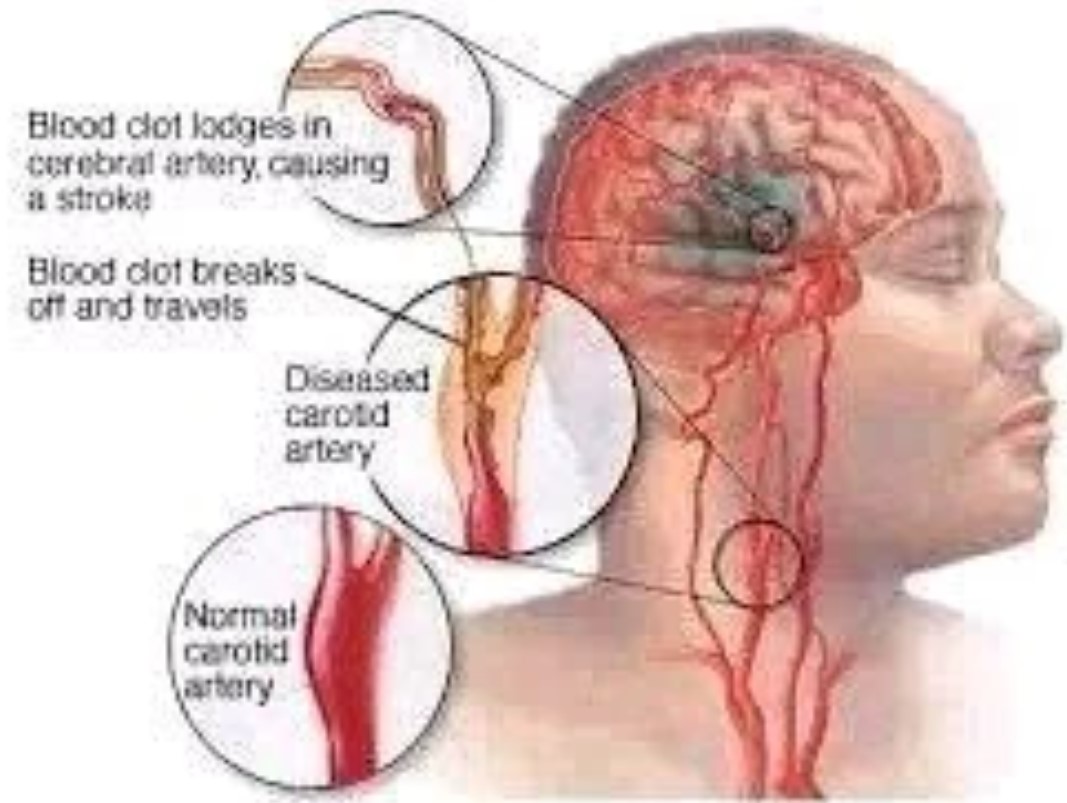
Avoiding excess intake of certain substances can indeed help reduce the risk of suffering a stroke in old age. Firstly, excessive consumption of salt can lead to high blood pressure, a major risk factor for stroke. High sodium intake can cause the body to retain water, increasing blood volume and subsequently raising blood pressure. To mitigate this risk, it’s advisable to limit salt intake and opt for fresh, unprocessed foods.
Secondly, excessive alcohol consumption can also contribute to stroke risk. Alcohol can raise blood pressure, increase the levels of certain fats in the blood, and contribute to irregular heartbeats, all of which are risk factors for stroke. Moderation is key when it comes to alcohol consumption, and individuals should adhere to recommended guidelines for safe drinking.
Lastly, a diet high in saturated and trans fats can lead to the buildup of plaque in the arteries, narrowing them and increasing the risk of stroke. Foods high in these fats include fried foods, processed snacks, and fatty cuts of meat. Opting for a diet rich in fruits, vegetables, whole grains, and lean proteins can help reduce the risk of stroke.
In summary, to reduce the risk of suffering a stroke in old age, it’s important to limit intake of salt, alcohol, and foods high in saturated and trans fats. Instead, focus on a balanced diet rich in whole foods and maintain a healthy lifestyle with regular exercise and weight management.