
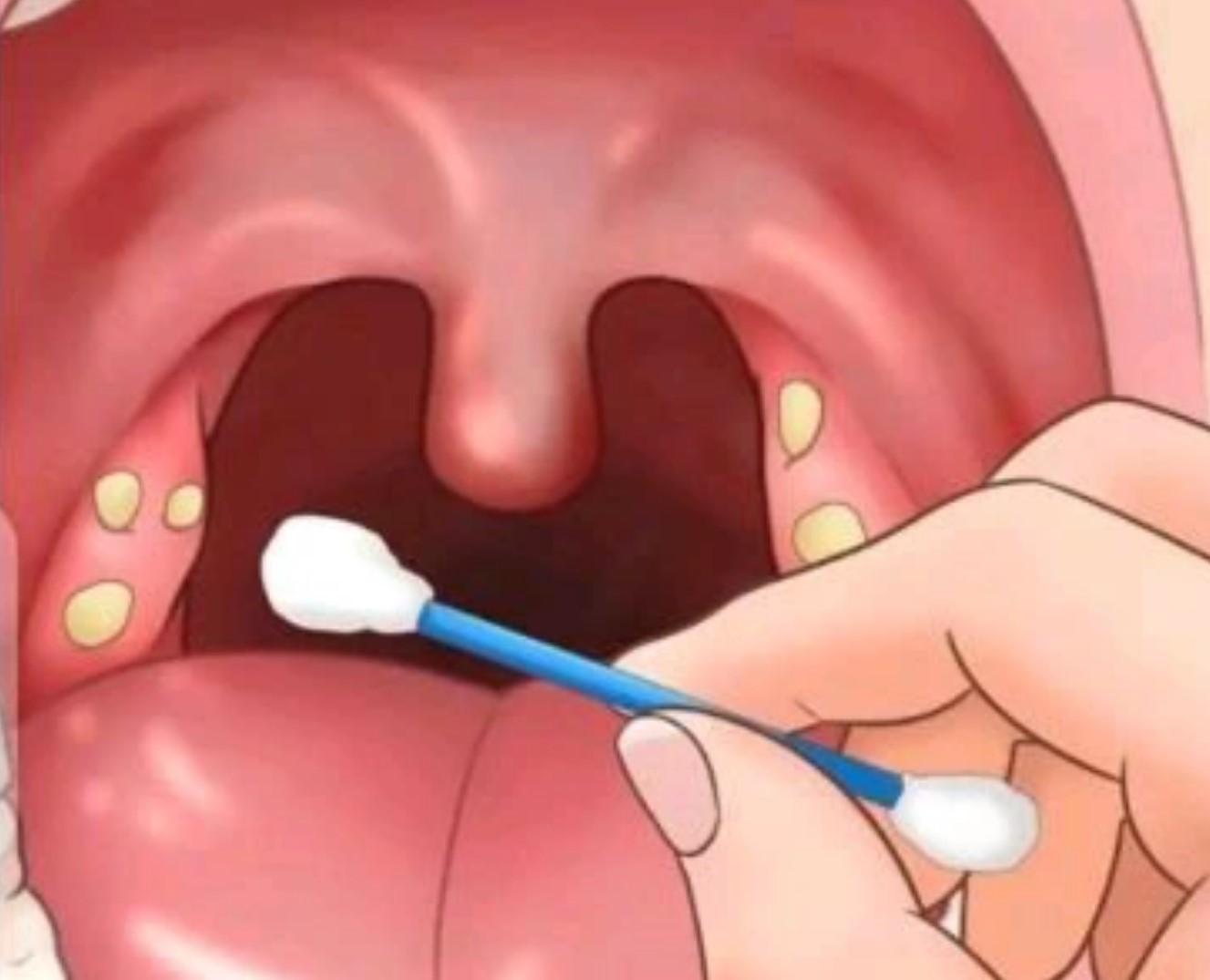
If you have a sore throat and cough, it’s possible to expel a small calcified substance that looks like a stone from your mouth. These compounds are usually colorless and odorless. Having small, stone-like formations in your tonsils can cause throat discomfort and irritation.
Tonsil stones form when bacteria and food particles accumulate in the tonsils. They can help boost the immune system by attracting white blood cells to the mouth, which can help fight infections.
The presence of tonsil stones can obstruct the back of the throat, making it difficult to swallow and expel food particles and other matter from the mouth. This can cause a bad odor to emanate from the mouth.
Did you know that humans can consume tonsilloliths without encountering any significant issues? However, it’s important to note that their consumption has been associated with the development of dental caries, gum disease, and various other health complications.
Tonsilloliths, especially those of significant size, are a prevalent cause of persistent halitosis that remains unaffected by regular oral hygiene practices. If you’re experiencing symptoms of acute tonsillitis, it’s best to seek medical attention. According to Healthline, Tonsilloliths, also known as tonsil stones, are a common issue, although their detection is not always straightforward. Tonsilloliths can cause a range of symptoms, including:
Unpleasant oral odor
The individual is experiencing discomfort in the throat region.
Dysphagia, or difficulty swallowing, is a medical condition characterized by challenges in the process of moving
The auditory organs experienced discomfort or pain.
The individual is experiencing a persistent hacking cough.
Tonsillitis refers to the medical condition characterized by the inflammation of the tonsils.
The presence of white or yellow-colored debris on the tonsil is observed.
Is the transmission of tonsil stones feasible?
Currently, there is not enough factual evidence to confirm that tonsil stones can cause infections. Past research has shown that biofilm, the main component of tonsil stones, is dependable. The creation of oral biofilms happens due to the complex interaction between the natural bacteria and fungi residing in the mouth and the chemical environment. When the aggregate comes into contact with a wet surface, it sticks due to its adhesive properties.
It is conceivable to extract calcified deposits, commonly referred to as tonsil stones, from the crevices of the tonsils by allowing them to desiccate. Plaque is a commonly occurring biofilm found in the oral cavity. There is a hypothesis suggesting that biofilms may play a role in the development of caries and periodontal disease.