
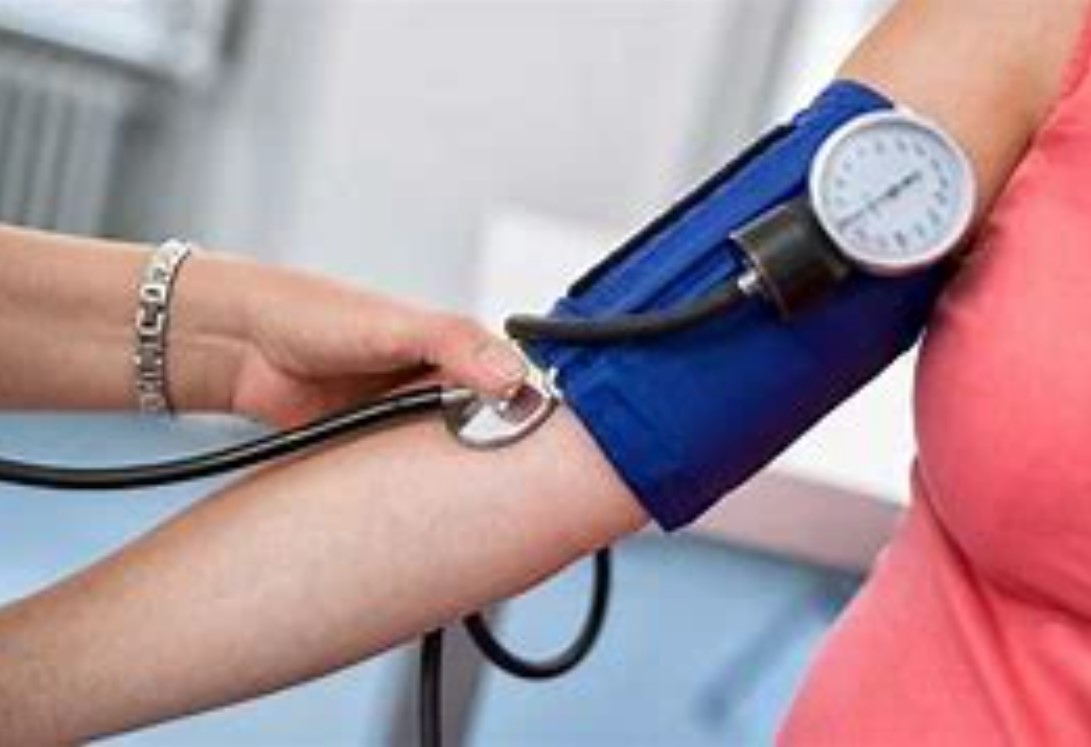
Lowering blood pressure often involves lifestyle changes and, in some cases, medication. Here are some strategies you can adopt to help lower your blood pressure:
Healthy Diet:
DASH Diet: Follow the Dietary Approaches to Stop Hypertension (DASH) diet, which emphasizes fruits, vegetables, whole grains, lean proteins, and low-fat dairy products. Reduce sodium intake.
Maintain a Healthy Weight:
Losing excess weight can significantly lower blood pressure. Even a small weight loss can make a big difference.
Regular Physical Activity:
Engage in regular aerobic exercise, such as brisk walking, jogging, swimming, or cycling. Aim for at least 150 minutes of moderate-intensity exercise per week.
Limit Alcohol Intake:
Limit alcohol consumption. For men, this means up to two drinks per day, and for women, up to one drink per day.
Quit Smoking:
Smoking can raise your blood pressure and damage your blood vessels. Quitting smoking has numerous health benefits, including lowering blood pressure.
Reduce Stress:
Practice stress-reduction techniques such as meditation, deep breathing exercises, yoga, or hobbies that help you relax.
Limit Caffeine Intake:
While the link between caffeine and high blood pressure isn’t clear, it’s advisable to monitor your caffeine intake and see how it affects you.
Get Enough Potassium:
Potassium helps balance sodium levels and can have a positive impact on blood pressure. Include potassium-rich foods in your diet, such as bananas, oranges, potatoes, and spinach.
Limit Processed Foods:
Processed and packaged foods often contain high levels of sodium. Choose fresh, whole foods and cook at home whenever possible.
Monitor Blood Pressure at Home:
Regularly check your blood pressure at home using a home blood pressure monitor. This can help you track your progress and provide valuable information to your healthcare provider.
Limit Added Sugar:
Reduce your intake of sugary beverages and foods. High sugar intake is associated with weight gain and other health issues.
Medication:
If lifestyle changes aren’t sufficient, your healthcare provider may prescribe medication to help lower your blood pressure. It’s essential to take any prescribed medications as directed.
Limit Red Meat:
Reduce your intake of red meat, and choose lean protein sources such as poultry, fish, beans, and nuts.
Increase Fiber Intake:
Foods high in fiber, such as whole grains, fruits, and vegetables, can contribute to lower blood pressure.
Moderate Alcohol Consumption:
If you choose to drink alcohol, do so in moderation. Excessive alcohol consumption can raise blood pressure.
It’s important to note that these lifestyle changes are often most effective when implemented together. Before making significant changes to your lifestyle, it’s advisable to consult with a healthcare professional, who can provide personalized guidance based on your specific health situation.
Stress-reduction techniques can be effective in managing and alleviating stress. Here are some widely practiced methods:
Deep Breathing:
Practice deep breathing exercises to calm the nervous system. Inhale deeply through your nose, hold for a few seconds, and exhale slowly through your mouth.
Meditation:
Regular meditation, whether mindfulness meditation, guided meditation, or transcendental meditation, can help clear the mind and reduce stress.
Progressive Muscle Relaxation (PMR):
PMR involves tensing and then relaxing different muscle groups to release physical tension. This technique can be done systematically throughout the body.
Yoga:
Yoga combines physical postures, breath control, and meditation. It has been shown to reduce stress and improve overall well-being.
Tai Chi:
Tai Chi is a gentle, flowing martial art that incorporates deep breathing and slow, deliberate movements. It is known for promoting relaxation and reducing stress.
Guided Imagery:
Use your imagination to create calming mental images. Guided imagery can be done alone or with the assistance of recordings that provide soothing narratives.
Exercise:
Regular physical activity, whether it’s jogging, swimming, cycling, or a simple walk, can help reduce stress by promoting the release of endorphins, the body’s natural mood lifters.
Art and Creativity:
Engaging in creative activities such as drawing, painting, writing, or playing a musical instrument can provide an outlet for self-expression and stress relief.
Journaling:
Write down your thoughts and feelings in a journal. This can help you process emotions, gain clarity, and identify stress triggers.
Aromatherapy:
Use essential oils or scented candles to create a calming atmosphere. Scents like lavender, chamomile, and eucalyptus are known for their relaxation properties.
Mindfulness:
Practice mindfulness by staying present in the moment. This can involve focusing on your breath, senses, or the task at hand without judgment.
Social Support:
Share your feelings with friends, family, or a support group. Connecting with others can provide emotional support and perspective.
Laughter:
Laughter triggers the release of endorphins and can help reduce stress. Watch a funny movie, attend a comedy show, or spend time with people who make you laugh.
Time Management:
Organize your time effectively to reduce feelings of overwhelm. Prioritize tasks, set realistic goals, and break larger tasks into smaller, more manageable steps.
Limit Stimulants:
Limit or avoid stimulants like caffeine, especially in the hours leading up to bedtime. Stimulants can contribute to increased anxiety and stress.
It’s important to note that different techniques work for different individuals, and it may take some experimentation to find what works best for you. Consistency is key when incorporating stress-reduction techniques into your routine. If stress becomes overwhelming or persistent, consider seeking support from a mental health professional.