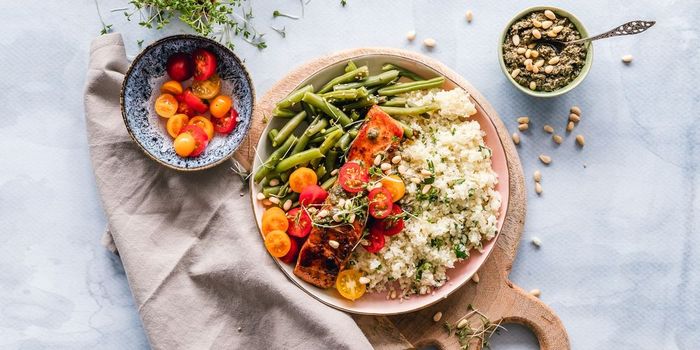
To lower bad LDL cholesterol and the risk of cardiovascular disease, we now know that we have a new powerful ally on our side, the portfolio diet. This is a still little-known diet, it is similar to the more famous Mediterranean diet but places greater emphasis on the importance of taking proteins of plant origin. The portfolio diet is attracting the attention of scientists for its ability to reduce bad LDL cholesterol and protect the heart. Today we are talking about very recent scientific research that has demonstrated the benefits of the portfolio diet. The study was published in the journal Circulation by a Canadian team from the University of Toronto (Glenn et al, Circulation, 2023).The portfolio diet reduces cardiovascular risk, the studyThe study is very large, which makes it solid and reliable. The scientists analyzed data on the health and nutrition of more than 166,000 women and 44,000 men, all healthy and without a diagnosis of cardiovascular disease at the time of recruitment, between the 1980s and 1990s. Every four years and for more than 30 years, volunteers were asked to fill out a questionnaire indicating their usual diet. The researchers crossed this data, measuring the level of adherence to the portfolio diet, with health status. What emerged was that those who followed the portfolio diet guidelines the most also had a 14% lower risk of developing cardiovascular disease, stroke and heart attack compared to those who deviated the most. The mechanism of action is linked to the reduction of LDL cholesterol. Not only that, it was also possible to observe a reduction in chronic inflammation, which is another way the portfolio diet reduces cardiovascular risk.Portfolio diet, previous studiesThe study whose results we have reported is the largest on the benefits of the portfolio diet for heart health. However, it is not the first. In fact, a few years ago, it was 2021, research was published on 123,000 post-menopausal women in which it was shown that following the portfolio diet can lead to a reduction in coronary heart disease and heart attack (Glenn et al, JAHA, 2021). Not only that, another study showed that following a diet rich in anti-cholesterol foods, just like the portfolio diet, can lead to a lowering of LDL cholesterol similar to that induced by 20 mg of the statin lovastatin, around 30% (Jenkins et al, JAMA, 2003).Portfolio diet, what it isThe portfolio diet encourages the intake of proteins of plant origin while openly discourages the intake of animal proteins. This diet is based on a portfolio of anti-cholesterol foods which are divided into four main categories. According to the guidelines, optimal daily nutrition should include foods from each of these categories. The categories are nuts, plant proteins, viscous fibers and plant sterols. Let’s analyze the four categories in detail. According to the guidelines, it would be appropriate to consume 45 grams of nuts per day, such as almonds, walnuts, pistachios and peanuts, to be consumed as snacks or added to yogurt and salads. In case of allergies it is possible to opt for the seeds. It is also important to take 50 grams of vegetable protein every day from beans and other legumes such as lentils, peas and chickpeas, soy and derived products, such as soy milk, tofu, tempeh. To give you an idea, 325 ml of soy milk provides approximately 10 g of vegetable proteins, as do 50 grams of tempeh. You should consume 20 grams per day of viscous fiber, contained in oats, barley, psyllium, okra, aubergines, berries, apples and citrus fruits. To reach this amount you should consume 5 servings of fruit and vegetables a day, including the vegetables and fruit just listed, and 2 servings of barley or oats. The advice is to replace wheat bread with oat bread every now and then. You shouldn’t miss 2 grams per day of plant sterols, which are found naturally in pumpkin seeds, sesame seeds, flax seeds and extra virgin olive oil, or even in supplements and fortified foods.ConclusionsWe have seen some guidelines considered useful for protecting heart health. This type of diet, which is called the portfolio diet, does not aim to make you lose weight, it is not that type of diet, but rather to reduce LDL cholesterol and inflammation and thus also cardiovascular risk. The portfolio diet is similar to the Mediterranean diet, since it is based on a high intake of fruit, vegetables, whole grains and legumes although, unlike the latter, it openly discourages the intake of proteins through foods of animal origin but favors vegetable proteins from legumes and, another innovation compared to the Mediterranean diet, from soy. The portfolio diet can be different from our usual diet and could encounter some resistance, such as the intake of soy. In any case, as experts indicate, the benefits are obtained even if every dictate of the portfolio diet is not scrupulously followed. You can start slowly, preferably with the help of a nutritionist to ensure a balanced diet. The important thing, however, is that we now know what anti-cholesterol foods are, which can be introduced into our diet.