
The Democratic Republic of the Congo is the second largest country in Africa. It borders nine countries: Angola, Burundi, the Central African Republic, the Republic of Congo, Rwanda, South Sudan, Tanzania, Uganda, and Zambia.
The people of the DRC represent over 200 ethnic groups, with nearly 250 languages and dialects spoken throughout the country. Kinshasa, the capital, is the second largest French-speaking city in the world.READ FULL STORY HERE TO CONTINUE READING>⏩⏩
Since the 1960s, the Congolese have endured over two decades of armed conflict with over 5.4 million people dead due to war-related causes, making it the deadliest conflict since World War II.
Since 1996, conflict in eastern DRC has led to approximately six million deaths. The First Congo War (1966-1997)began in the wake of the 1994 Rwandan Genocide, during which ethnic Hutu extremists killed an estimated one million minority ethnic Tutsis and moderate Hutus in Rwanda (DRC’s neighbor to the east). During and following the genocide, nearly two million Hutu refugees crossed the Congolese border, mostly settling in refugee camps in the North Kivu and South Kivu provinces.Here is how dead bodies are transported from the morgue.
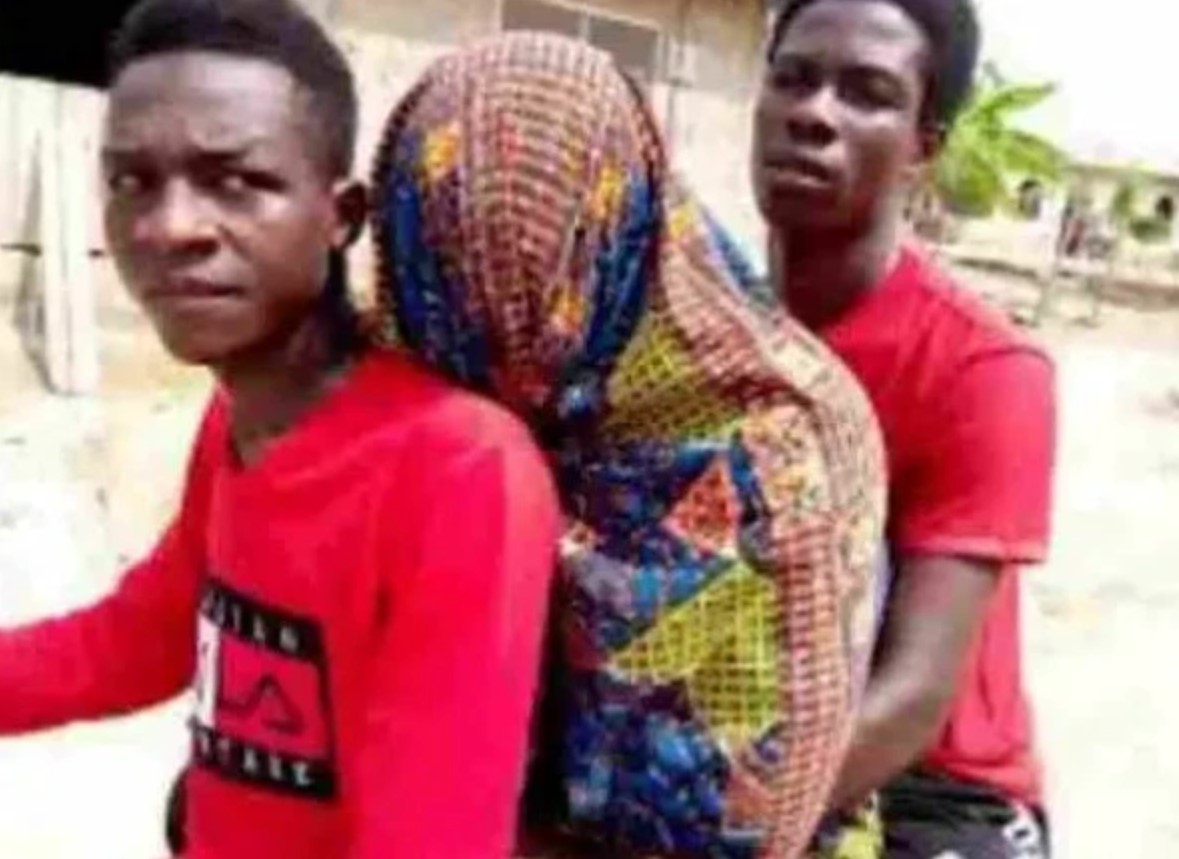
According to the pictures, in order to prevent them from tipping over, the corpses are wrapped in linen and strapped to boda bodas (motorbikes). The bodies are tied behind the riders of commercial motorcycles as they ride them to the mortuary, according to sources.
In rural parts of the Democratic Republic of Congo (DRC) corpses are being transported by commercial motorcycle riders to and from the morgue. The corpses are reportedly tied like a luggage on the motorcycles.
The purpose of the rite of passage is to honour the memory of a person who has passed away. Many people invest a lot of money in lavish funerals rather than obtaining high-quality medical care.