
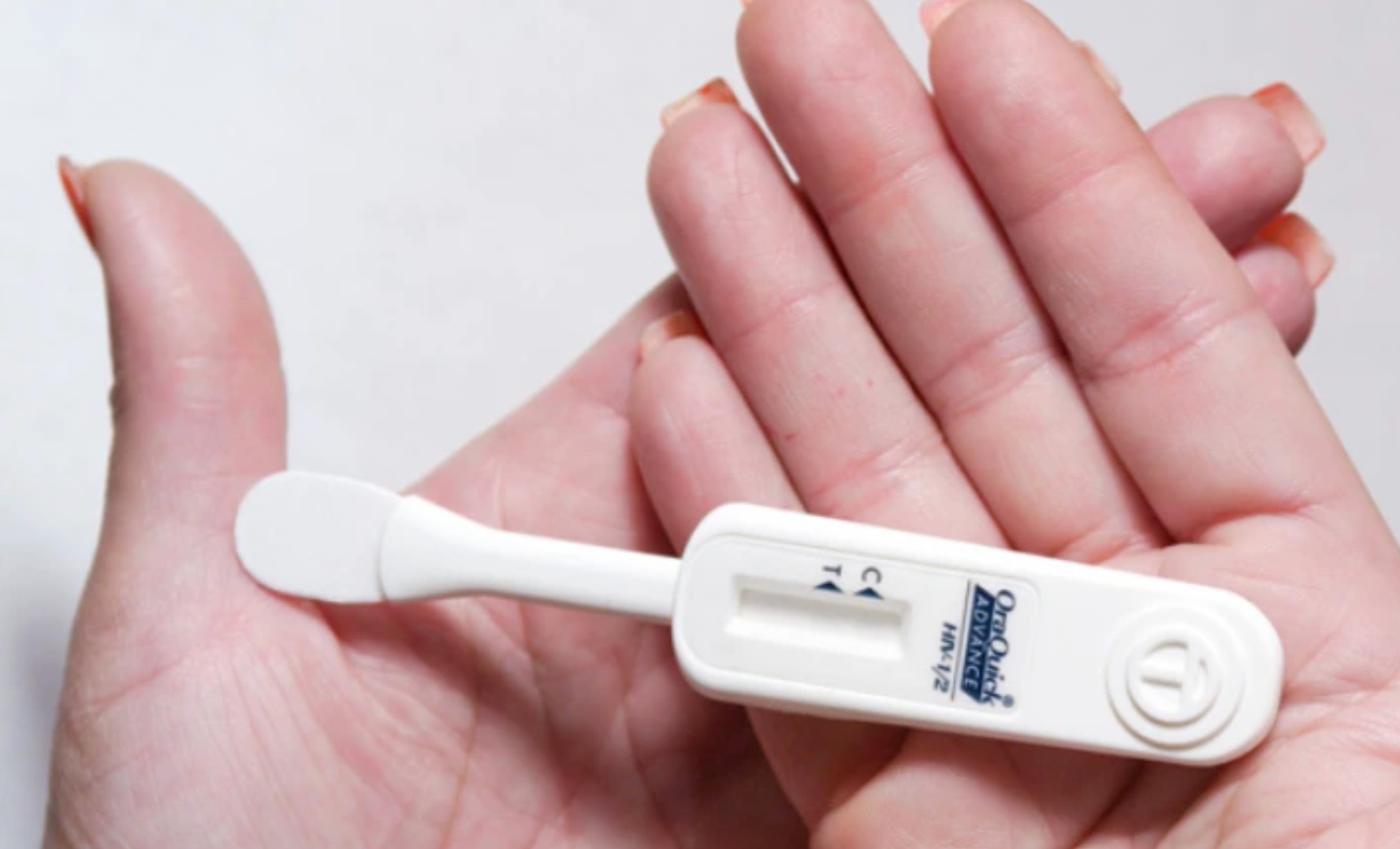
Blood testing frequently identifies antibodies in both HIV-positive and HIV-negative patients. The majority of the time, these antibodies are found in blood samples; however, occasionally, saliva may also be found in a mouth swab. In addition to the above-mentioned physiological fluids, it has been found that pee may also be used as a viral screening method.
According to a recent study, antibodies in urine samples may show up in unexpected ways. To locate these antibodies, an ELISA test will be performed. A lab technician will take the urine sample to the laboratory and place it in a container with HIV antigens and anti-HIV antibodies for the ELISA test.
If you only strictly adhere to the instructions, you might even be able to administer the exam to yourself at home. Fill a bowl half full with your own poop. In a Petri plate, combine some urine and a particular antigen. Both substances will bind to one another to form a complex if you have blood-borne antibodies that are particular for the antigen. Both a more pronounced backdrop color and a louder signal will be indicators of this.
The finding of antibodies typically occurs within a few hours. On the other side, the Western blot will confirm the validity of any positive ELISA test results. The vast majority of the time, it serves as a confirming test. During testing, the presence of HIV antibodies is a sign that the subject is infected. If there aren’t any antibodies, you don’t have HIV and everything is well with your health.