
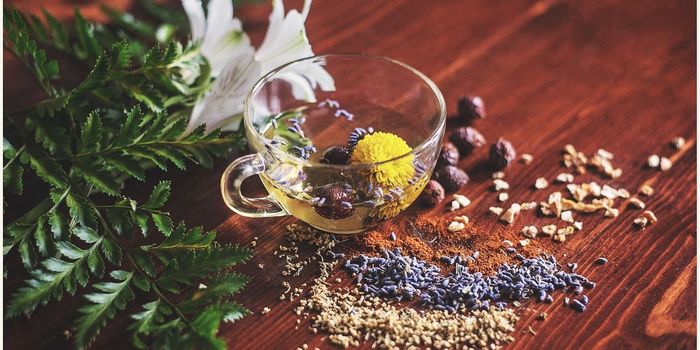

Poor digestion, feeling of heaviness in your stomach, but also stomach acidity, heartburn and reflux, here are the natural, simple and handy remedies that come to help in everyday life and on special occasions such as parties when we tend to eat and drink more than usual
Herbal teas, spices and foods that help improve digestion, combat swelling, constipation, nausea and stomach acidity, in everyday life and after big binges
The holidays are coming with dinners, family lunches, snacks with friends and excess at the table. The risk is finding yourself with stomach pain, bloating, heartburn and poor digestion, which can ruin this long-awaited period. How can we take action, prevent and combat these unpleasant disorders? We see our best allies in the form of herbal teas, condiments and foods not to be given up on, useful for protecting the stomach and digestion, based on the most interesting scientific research.
Remedies for poor digestion, help from the artichoke
Artichokes come to help when digestion becomes difficult. Pan-fried artichokes, added to sauces or as a side dish but also artichoke leaf herbal tea, here are some remedies that stimulate digestive processes and combat gastritis. These properties can be traced back to a substance contained in artichokes called cinaropicrin (Ishida et al, Biol Pharm Bull, 2010). The artichoke is also hepatoprotective and helps keep cholesterol under control (Ishida et al, Biol Pharm Bull, 2010). And here are some ideas to benefit from the properties of the artichoke. In the Healthy Eating section you can find some mouth-watering recipes, such as penne pasta with artichokes and escarole, but also penne pasta with artichokes and king oyster mushrooms and Italian stuffed artichokes.
As for the herbal tea, bring a cup of water to the boil, add a handful of artichoke leaves, the external ones, which are normally thrown away, leave to infuse for fifteen minutes, then filter and drink. To make the herbal tea even more powerful it is possible to exploit the synergy between artichoke and ginger, useful when we tend to consume heavy and abundant meals with consequences such as nausea, bloating, abdominal cramps and a feeling of fullness (Giacosa et al, Evid Based Complement Alternat Med., 2015).
Remedies for poor digestion and bloating, turmeric
Turmeric is considered an aid in cases of poor digestion, gastric and duodenal ulcers, but also bloating and diarrhea (Kwiecien et al, Int J Mol Sci, 2019). Turmeric, thanks to its active ingredient curcumin, has been shown to protect the stomach mucosa also from the action of some drugs, such as non-steroidal anti-inflammatories (Kwiecien et al, Int J Mol Sci, 2019). You can add a teaspoon of turmeric to your preparations, preferably diluted in extra virgin olive oil or flaxseed oil, or a mixture of the two, to allow it to be absorbed better. If it doesn’t irritate the stomach mucosa you can add a grind of black pepper.
Alternatively, the quercetin contained in red onions and capers also helps absorb curcumin.
Remedies for acid reflux and heartburn, help from some foods
There are some foods that help alleviate the symptoms of acid reflux, such as burning sensation in the chest, difficulty swallowing, regurgitation, cough and hoarse voice, and improve digestion. Foods rich in fiber, such as fruit, vegetables, legumes and whole grains, especially oats, support healthy digestion and counteract constipation, which would otherwise favor reflux. Aloe vera has a gel that soothes the gastric mucosa and taking a little aloe juice before meals has been shown to reduce acid reflux. Yogurt with probiotics also helps to counteract reflux and inflammation and keeps the intestinal barrier healthy. A low-fat yogurt tastes better than a fat-free yogurt. Bananas are alkaline and prevent food from remaining in the stomach for too long, which would lead to an increase in the production of gastric juices and the appearance of symptoms related to reflux. Almonds are also excellent, as they help neutralize hyperacidity in the stomach. Ginger is anti-inflammatory and helps reduce the production of gastric acids, as is licorice (Herdiana et al, Nutrients, 2023).
Get fit after the holidays, little tips
At this point it is a must to see some little tips for keeping fit during, after and “despite” the holidays. A first piece of advice is certainly to consume meals slowly, in order to give the stomach the necessary time to send the signal to the brain that you are full, thus avoiding eating more than necessary and developing problems such as indigestion, slow digestion, headache of stomach and heartburn (Harvard Medical School, Blog).
Then, after eating, a good choice is to go out, perhaps with your loved ones, for a short walk, without immediately sitting down on the sofa and postponing exercise until later. In fact, studies have shown that to stay fit and counteract overweight it is better to walk briskly for 30 minutes immediately after a meal rather than waiting even just an hour (Hijikata et al, Int J Gen Me d, 2011). Finally, each of us is different and some foods can, in certain people, trigger reactions, we are talking about some foods that can favor the appearance of acid reflux or which are linked to intolerances. We all know our weaknesses.
Therefore, to avoid problems after a good meal it is useful to avoid or at least limit those foods that can cause annoying symptoms.