
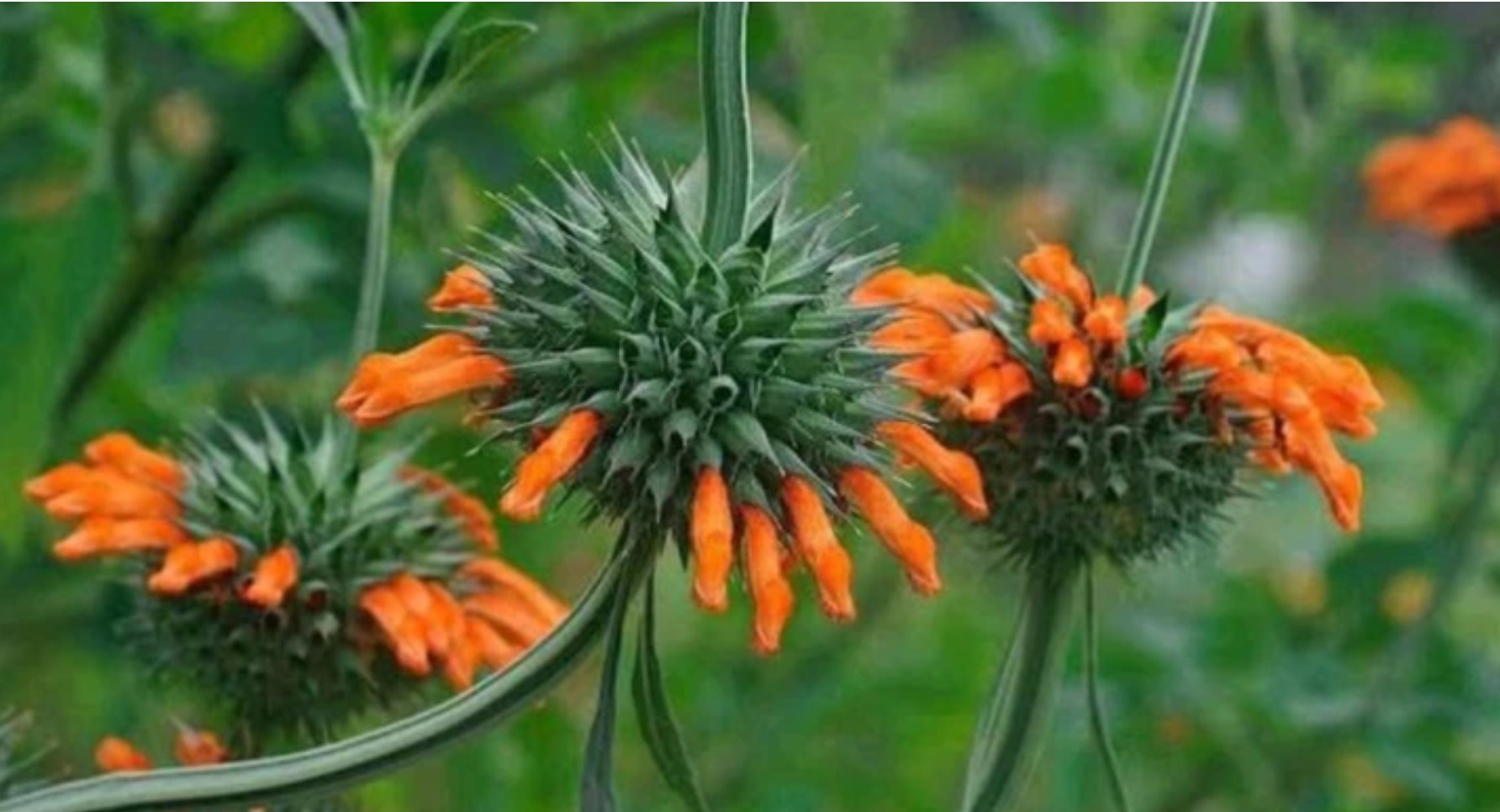
When designing our homes, it’s important to remember the importance of nature and how it can improve our well-being. One plant that can benefit both the aesthetics and health of your home is Leonotis Leonurus, also known as Wild Dagga or Lion’s Tail. This lovely plant is native to South Africa and is gaining popularity for its unique features and potential health benefits.
**1. Aesthetic Beauty:**
Leonotis Leonurus is renowned for its striking appearance. With its tall stalks covered in vibrant, reddish-orange tubular flowers, this plant adds a touch of natural elegance to any indoor or outdoor setting. Its distinct appearance can instantly transform your home into a visually appealing and inviting space.
**2. Stress Reduction:**
Incorporating Leonotis Leonurus into your home can have a calming effect on your senses. The soothing sight of its vibrant blooms and the gentle rustling of its leaves in the breeze can help reduce stress and anxiety levels. Having a piece of nature indoors provides a serene escape from the demands of daily life.
**3. Improved Air Quality:**
Like many other plants, Leonotis Leonurus contributes to better indoor air quality. It absorbs carbon dioxide and releases oxygen, creating a healthier environment for you and your loved ones. This natural air purifier can be especially beneficial in areas with limited ventilation.
**4. Herbal Remedy:**
For centuries, indigenous communities in South Africa have used Leonotis Leonurus for its medicinal properties. The leaves and flowers of this plant contain compounds that are believed to have anti-inflammatory and analgesic effects. While it’s essential to consult a healthcare professional before using it as a remedy, having this plant in your home can be a valuable addition to your wellness toolkit.
**5. Connection to Nature:**
In our fast-paced, urban lives, it’s easy to lose touch with the natural world. Having Leonotis Leonurus in your home serves as a daily reminder of the beauty and tranquility that nature offers. It can rekindle your connection to the environment and encourage mindfulness.
**6. Wildlife Attraction:**
If you have an outdoor garden or a balcony, Leonotis Leonurus can attract pollinators like bees and butterflies, contributing to the local ecosystem’s biodiversity. Observing these fascinating creatures can be a delightful experience for you and your family.
**7. Low Maintenance:**
One of the remarkable aspects of Leonotis Leonurus is its resilience and low maintenance requirements. It can thrive in various conditions, including moderate sunlight and well-drained soil. Its hardiness makes it an excellent choice for both experienced and novice gardeners.
**8. Sustainable Gardening:**
By growing Leonotis Leonurus at home, you actively participate in sustainable gardening. Reducing the need for cut flowers and cultivating native plants like Wild Dagga can help conserve local flora and fauna.
In conclusion, Leonotis Leonurus, with its aesthetic appeal, potential health benefits, and ability to reconnect us with nature, can be a beautiful addition to your home. As you nurture this striking plant, it, in turn, nurtures your well-being and enriches the ambiance of your living space. So, consider welcoming the warmth and wellness of Leonotis Leonurus into your home today!
“Lion’s Tail” is a not unusualplace call for Leonotis leonurus, a flowering plant local to southern Africa. It is likewise recognised via way of means of different names, inclusive of Wild Dagga or Lion’s Ear. This plant is regularly cultivated in gardens and is thought for its placing appearance, with colourful orange or white tubular plant life organized in dense whorls alongside tall stems. Here are the motives why you have to by no means wreck it again.
Medicinal Uses: Lion’s Tail has been historically utilized in a few African cultures for its medicinal properties. It is thought to have diverse capacity fitness benefits, which include its use as a treatment for breathing problems inclusive of coughs, colds, and bronchitis. Some cultures additionally use it as a slight sedative and to alleviate tension and stress. However, it’s critical to seek advice from a certified herbalist or healthcare expert earlier than the use of any plant for medicinal purposes.
Attracts Pollinators: The colourful tubular plant life of Lion’s Tail are rather appealing to pollinators, which include bees, butterflies, and hummingbirds. By planting Lion’s Tail on your lawn, you may create a pollinator-pleasant environment, supporting to aid neighborhood biodiversity and atmosphere fitness. Pollinators play a essential function in plant replica and the general fitness of ecosystems, making this plant useful for selling a thriving lawn atmosphere.
Ornamental Value: Lion’s Tail is an attention-grabbing plant with placing orange or white plant life and tall, dense stems. It provides a completely unique and uncommon contact to gardens and landscapes, making it a famous decorative plant in lots of regions. Its drought tolerance and low-preservation nature additionally make it a appropriate preference for arid or semi-arid landscapes, in which it may offer visible hobby even in hard developing conditions.