
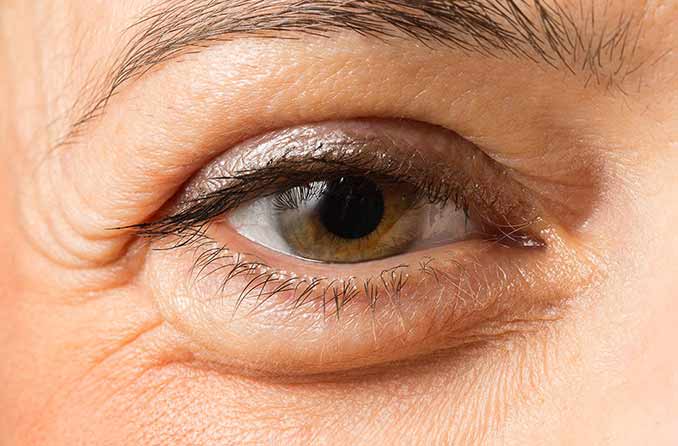
Under-eye swelling, also known as periorbital edema, is a common concern for many individuals. It can occur due to numerous factors, ranging from minor conditions to more serious underlying medical problems. Understanding the potential causes of under-eye swelling is crucial for proper diagnosis and treatment. In this article, we will explore some medical problems that can lead to under-eye swelling and discuss the associated symptoms and treatment options.
1. Under-eye swelling can be caused by a variety of factors, but two common culprits are allergies and sinusitis. Allergies can occur when you come into contact with allergens such as pollen, dust mites, pet dander, or certain foods, which trigger an allergic response in your body. This can lead to inflammation and fluid retention, resulting in swelling and puffiness around the eyes. Other symptoms of allergies may include itchy, watery eyes, redness, and sneezing, according to Healthline.
To manage allergies, it is important to avoid allergens whenever possible. Additionally, you can take antihistamines or other allergy medications to reduce the allergic response. In severe cases, an allergist may recommend immunotherapy (allergy shots) to desensitize the immune system.

2. Sinusitis, on the other hand, is an inflammation of the sinuses often caused by an infection or allergies. When the sinuses become congested and inflamed, fluid can accumulate and cause under-eye swelling. Other symptoms of sinusitis may include facial pain or pressure, nasal congestion, and thick nasal discharge.
Treatment: Treatment for sinusitis may involve nasal irrigation, decongestants, nasal corticosteroids, and pain relievers. In cases of bacterial sinusitis, antibiotics may be prescribed. Allergy management can also help alleviate sinus inflammation and subsequent under-eye swelling.
3. Conjunctivitis: Conjunctivitis, also known as pink eye, is an inflammation of the conjunctiva, the thin tissue that covers the white part of the eye and lines the inside of the eyelids. Along with redness and itching, conjunctivitis can cause swelling and puffiness around the eyes. Depending on the cause (viral, bacterial, or allergic), other symptoms may include eye discharge, eye pain, and sensitivity to light.
Treatment: Treatment for conjunctivitis depends on the underlying cause. Viral conjunctivitis tends to resolve on its own within a week or two. Bacterial conjunctivitis may require antibiotic eye drops or ointments. Allergic conjunctivitis can be managed with antihistamine eye drops or oral medications, and avoiding allergens when possible.
4. Thyroid disorders: According to Healthline, Certain thyroid conditions, such as hypothyroidism and Graves’ disease, can cause under-eye swelling. In hypothyroidism, an underactive thyroid gland may lead to fluid retention and puffiness throughout the body, including around the eyes. Graves’ disease, an autoimmune disorder causing overactive thyroid function, can result in eye-related symptoms collectively known as Graves’ ophthalmopathy. These symptoms may include under-eye swelling, bulging eyes, redness, and excessive tearing.
Treatment for thyroid disorders varies based on the condition. Hypothyroidism is treated with thyroid hormone replacement, while Graves’ disease may require a combination of medications and surgery to manage thyroid function and eye symptoms.
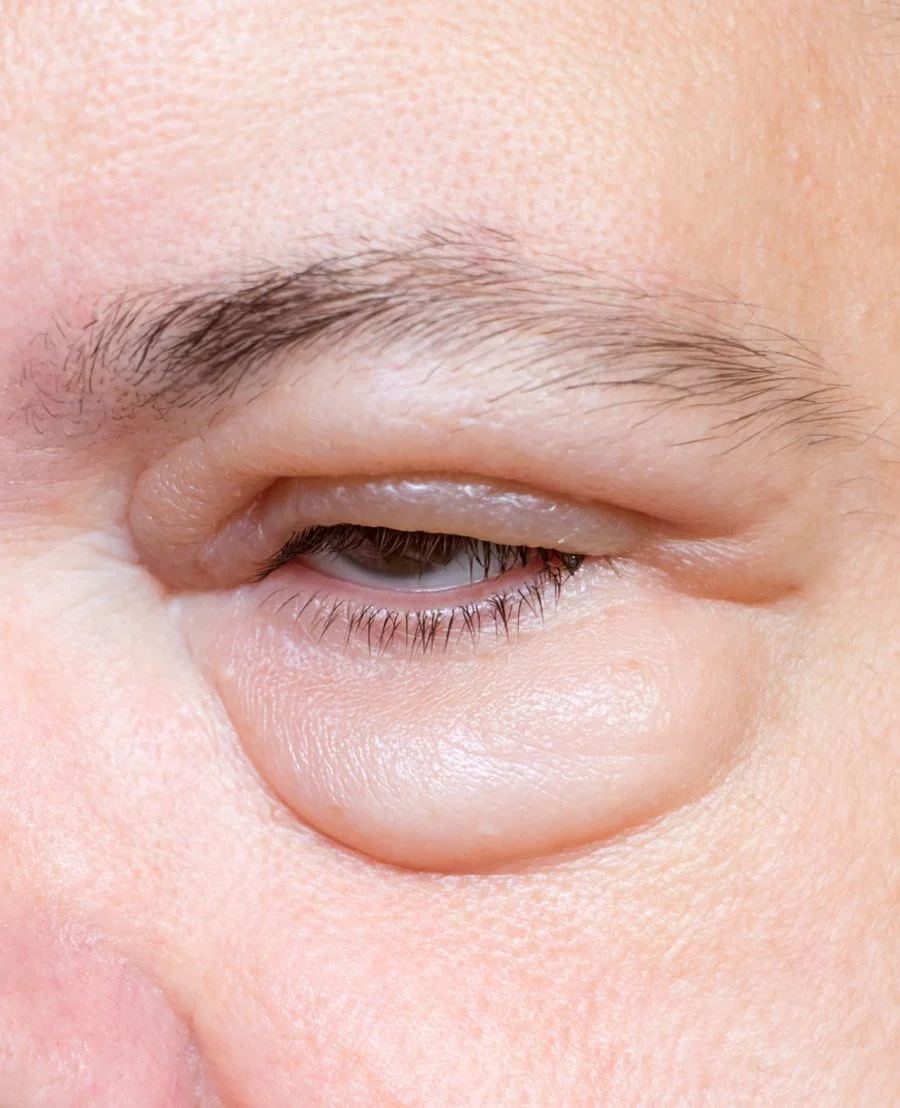
5. The manifestation of under-eye swelling can be linked to underlying kidney or liver impairment. This phenomenon arises due to fluid accumulation as a result of the suboptimal performance of these organs. In addition to under-eye puffiness, other indicators of liver or kidney malfunction may encompass symptoms such as fatigue, abdominal pain, dark urine, and alterations in urine or stool color.
When it comes to treating kidney or liver problems, the focus is on managing the underlying cause. This can involve making lifestyle changes, taking prescribed medications, or for more severe cases, undergoing dialysis or a liver transplant.
It is important to remember that under-eye swelling could also result from factors that are not related to any medical problems such as lack of sleep, dehydration, hormone fluctuations, excessive salt intake, or aging. If the under-eye swelling persists, becomes severe, or is accompanied by additional worrisome symptoms, it is recommended to seek advice from a healthcare professional for a thorough evaluation and appropriate diagnosis.