
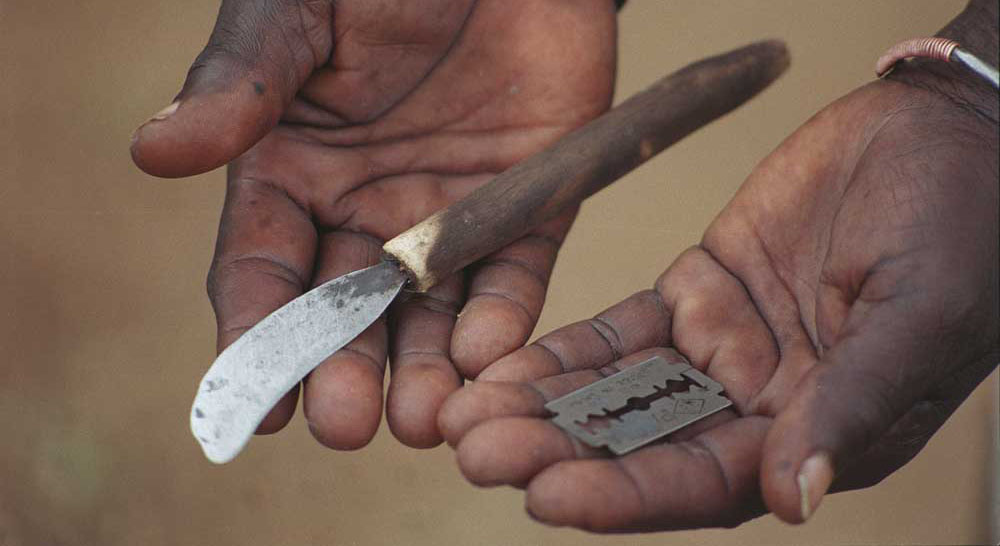
A new study has shown that Female Genital Mutilation (FGM) it is one of the leading causes of death in countries where it is practiced, with more than 44,000 more women and girls dying each year.
According to the study carried out by researchers from the universities of Birmingham, United Kingdom (UK) and Exeter, female genital mutilation is responsible for more deaths in these countries than any cause other than enteric infections, generally from consuming contaminated food or water, infections respiratory or malaria. .
The study shows that FGM is still legal in five of the 28 countries where it is practiced the most.
In a statement obtained by Newslodge on Thursday, the researchers called for making female genital mutilation illegal in Mali, Malawi, Chad, Sierra Leone and Liberia “as legal change can lead to cultural change.”
They also call for more efforts to eliminate FGM in countries where it is practiced.
Report
The research looked at the number of girls undergoing FGM in Benin, Burkina Faso, Cameroon, Chad, Ivory Coast, Egypt, Ethiopia, Guinea, Kenya, Mali, Niger, Nigeria, Senegal, Sierra Leone and Tanzania.
He said a 50 percent increase in the number of girls undergoing female genital mutilation increases their five-year mortality rate and leads to an estimated 44,320 excess deaths per year in countries where the practice takes place. practice.
ALSO READ: Activists call for enforcement of laws against female genital mutilation
Co-author James Rockey of the University of Birmingham said the findings show that female genital mutilation is one of the leading causes of death among girls and young women in countries where it is practiced, but lasting change requires a change in attitude towards it. female genital mutilation in these communities.
Rockey said there is reason for optimism, as work on noncommunicable diseases shows that effective interventions are possible, but that change in “patriarchal attitudes” often lags behind other societal changes.
“An important first step would be to make FGM illegal in countries where it is within the law, as legal change can lead to cultural change,” he said.
FGM
Globally, more than 200 million women and girls have undergone FGM, a practice that often occurs in unsanitary conditions and without clinical supervision, resulting in severe pain, bleeding, and infection.
It is known to cause obstetric complications, reduced sexual function, and other long-term physical and mental health problems.
The World Health Organization (WHO) estimates that the aggregate cost of medical treatment for girls and women after FGM was $1.4 billion in 2018. However, until now, there has been no systematic evidence on the role of FGM in the global epidemiology of infant mortality: reflecting difficulties in measuring practice.
Mr. Rockey said that a key social dimension of FGM is how it affects marriage, as it influences marriage opportunities for women in West Africa, due to patriarchal culture and institutions.
“Our research suggests that FGM decisions may reflect trade-offs between the perceived disadvantages of FGM, such as pain and illegality, and the expected benefits, such as reduced social sanctions and a higher bride price: people they can factor in an increased risk of death as part of that calculation,” he said.
Read More Related News Here
Let hear it in the comment below if you do have an opinion on this; Female genital mutilation is responsible for the increase in deaths in some African countries — Report