
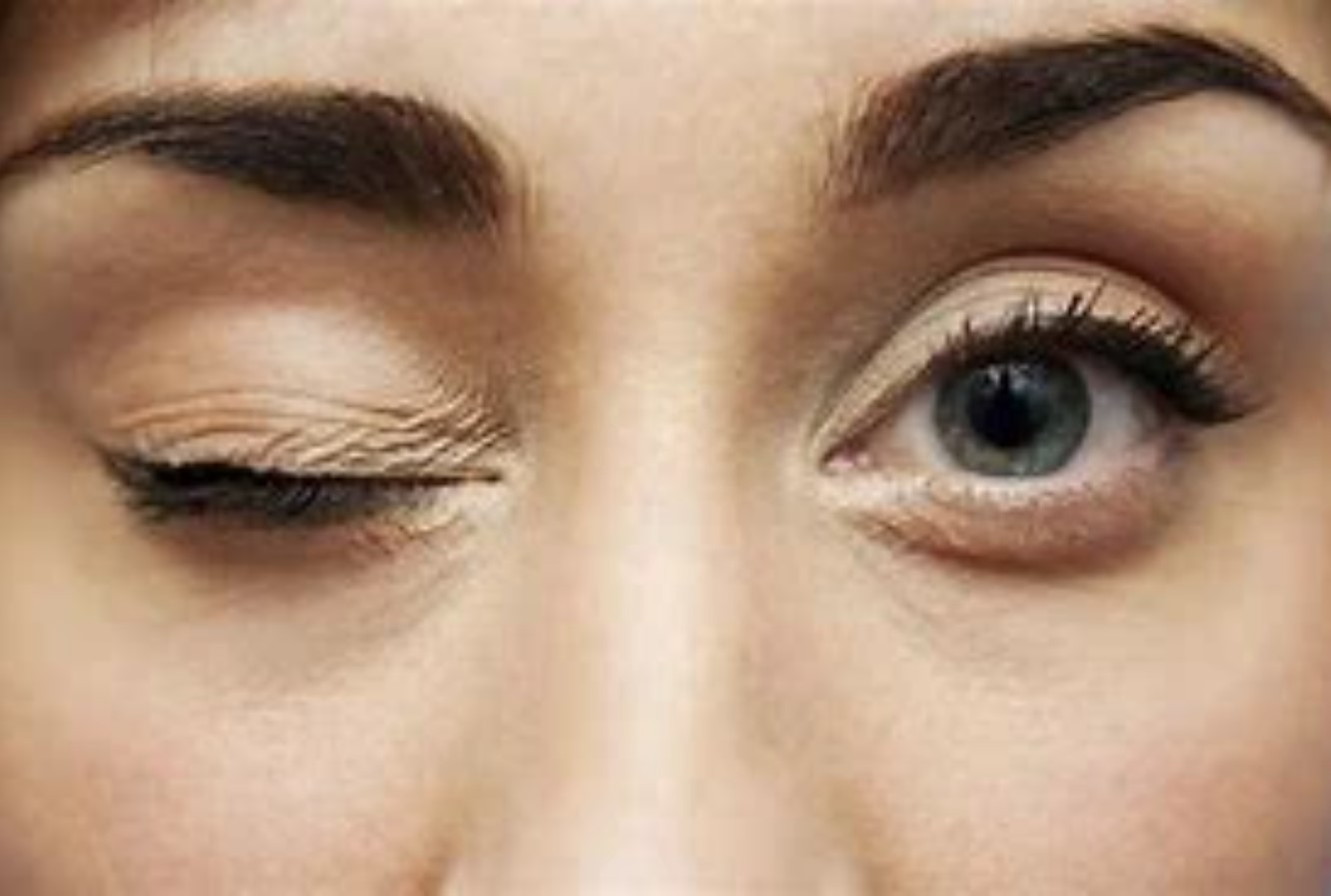
Eyelid twitching, also known as myokymia, is a common and usually harmless condition where the muscles of the eyelids contract involuntarily. It often occurs without an obvious cause and typically resolves on its own. Here are details about eyelid twitching, including symptoms, diagnosis, and treatment:
Symptoms:
Muscle Contractions:
Eyelid twitching involves involuntary and repetitive contractions of the muscles in the eyelid.
Twitching Sensation:
Individuals may feel a twitching or fluttering sensation in the affected eyelid.
Intermittent Episodes:
Eyelid twitching usually occurs in brief episodes that may last for a few seconds to a few minutes.
Unilateral or Bilateral:
It can affect one eye (unilateral) or both eyes (bilateral), and it may switch between eyes.
Frequency:
Twitching can happen sporadically or multiple times a day.
Causes:
Fatigue:
Lack of sleep or fatigue can contribute to eyelid twitching.
Stress and Anxiety:
Stress and anxiety are common triggers for muscle spasms, including eyelid twitching.
Caffeine and Stimulants:
Excessive consumption of caffeine or other stimulants may contribute to eyelid twitching.
Eye Strain:
Prolonged use of digital devices or reading for extended periods can strain the eyes and lead to twitching.
Dry Eyes:
Insufficient lubrication of the eyes, leading to dry eyes, can contribute to twitching.
Nutritional Imbalances:
Deficiencies in certain nutrients, such as magnesium, can be associated with muscle spasms.
Eyelid Irritation:
Allergies, irritation, or foreign bodies in the eye can lead to twitching.
Medications:
Some medications, especially those that affect the nervous system, may cause muscle spasms.
Diagnosis:
Eyelid twitching is typically diagnosed based on the characteristic symptoms and the absence of underlying serious conditions. In most cases, diagnostic tests are not necessary. However, if eyelid twitching is persistent or accompanied by other symptoms, a healthcare professional may conduct an examination to rule out underlying causes.
Treatment:
Address Underlying Causes:
If the twitching is related to factors such as stress, fatigue, or eye strain, addressing these underlying causes may help.
Rest and Relaxation:
Adequate rest, stress management, and relaxation techniques can be beneficial.
Eye Care:
Use lubricating eye drops if dry eyes are contributing to the twitching. Follow the 20-20-20 rule to reduce eye strain: take a 20-second break every 20 minutes and look at something 20 feet away.
Limit Caffeine:
Reduce the consumption of caffeinated beverages and stimulants.
Nutritional Supplements:
If a nutritional deficiency is suspected, a healthcare professional may recommend supplements.
Botox Injections:
In rare cases of persistent and severe eyelid twitching, Botox injections may be considered to temporarily paralyze the muscles.
Medication Adjustment:
If medication side effects are suspected, a healthcare provider may adjust the dosage or switch to an alternative.
Medical Evaluation:
If eyelid twitching persists or is accompanied by other symptoms, consult a healthcare professional for a thorough evaluation.
Most cases of eyelid twitching resolve without specific treatment. However, if twitching is persistent, worsening, or associated with other concerning symptoms, seeking medical advice is important to rule out any underlying conditions.