
He COVID-19 pandemic It has had far-reaching consequences on economies around the world. The contractions suffered by the global economy as countries sought to contain the spread of SARS-Cov-2, the virus behind the pandemic, have been catastrophic. Yet a couple of years after the world may have left the worst of the pandemic behind, economies continue to experience debilitating side effects.
Supply chain collusions associated with the pandemic-induced lockdowns continue to cause shortages in the manufacturing sector. Investment in new capacity by companies to make up for this shortage has, in turn, caused a glut in sectors where companies now appear more vulnerable to market risks than at the height of the pandemic. As spending patterns favor contact-based transactions, the allocation of resources within economies, from manufacturing and remote fulfillment to services, has added new pressures.
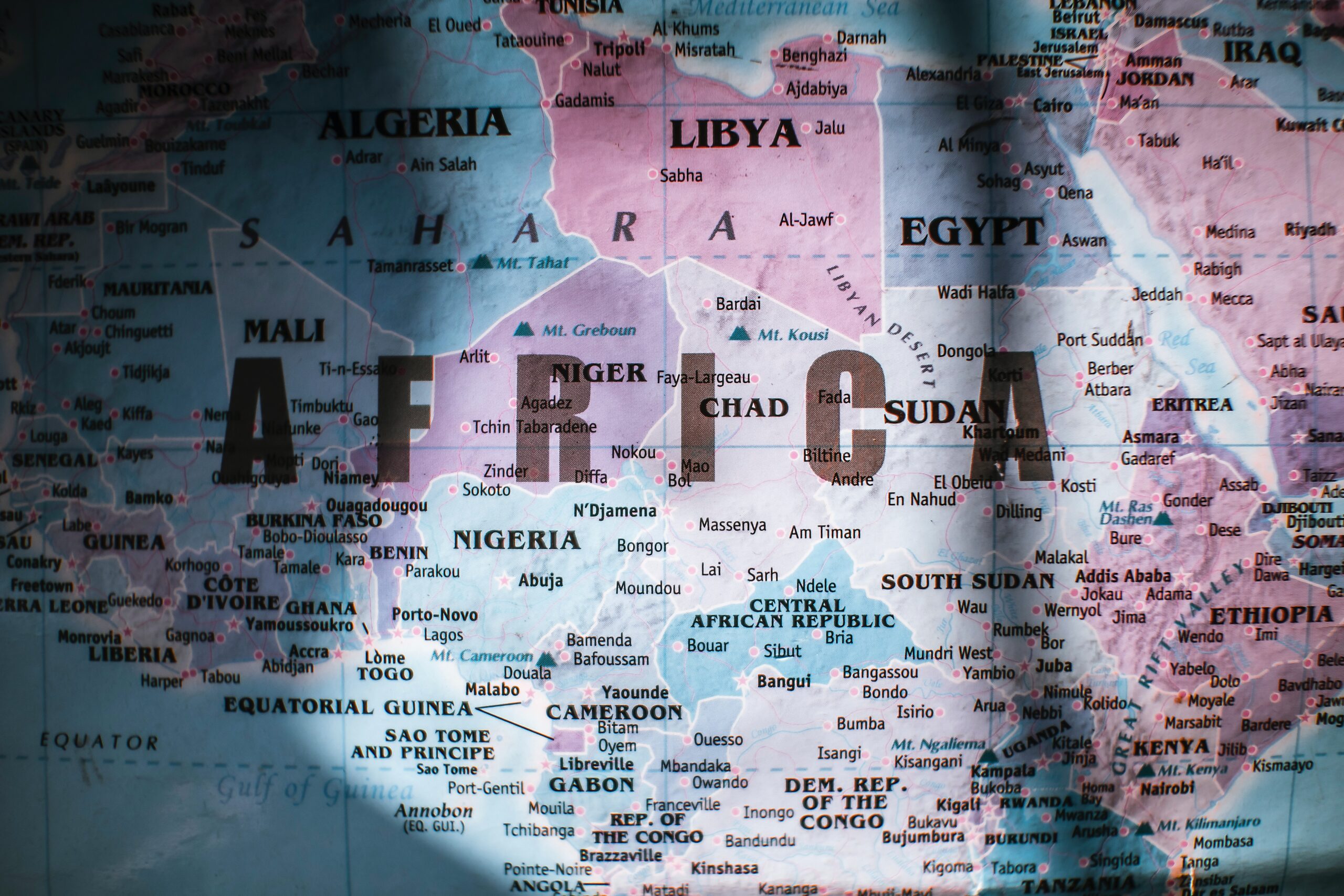
While, for as yet undetermined reasons, Africa emerged much better from the pandemic health scare than initially forecast, economies here are faring worse than elsewhere. Nowhere is this new economic challenge more evident than in the cost of living crisis that besets large segments of the population on the continent.
Domestic prices have risen relentlessly in the main economies of the continent (Senegal, Sudan, Kenya, South Africa, Ghana, Nigeria), even as high levels of unemployment, especially among youth, exacerbate the impact of declining capacity spending among the population.
It is tempting to imply the decline in productivity in these economies because of rising costs of living. All the more so since, once again, they appear to be lagging behind in the design and implementation of the new technologies that underpin the global energy transition. However, everyone has been here before. Worsening insecurity may have accelerated rural-urban migration from a drift to a swarm, as continued energy poverty has, in fact, disrupted the growth of industrial capacity. The region has struggled to find answers to these pre-existing comorbidities.
In Nigeria, the misery index, the sum of the seasonally adjusted unemployment rate and annual inflation, is at levels never seen before. If consumers do not spend because inflation (24.08% per year in July) continues to put holes in their wallets, companies, which can no longer sell their services and goods, have stopped investing in maintaining current capacity or building . new. Anecdotal evidence suggests that for most foreign-born companies, the choices are between reducing current operations and exiting the economy.
Inevitably, the burden of resolution falls on the government. In all economies (Brazil, Chile, the Eurozone, Hungary, New Zealand, Norway, Peru, Poland, the UK, the US, and South Korea), we have seen central banks increase interest rates aggressively. to control price increases. At the same time, the Central Bank of Nigeria was printing money in violation of its own enabling statutes, to feed the Federal Government’s addiction to public borrowing.
Clearly, the unproductive use to which the resulting debt burden was deployed implies our dismal economic management choices in the current cost-of-living crisis. It was therefore only fair that the first acts of the Tinubu government in office were designed to address the most obvious distortions in the operations of the economy. Unfortunately, these steps appear to have deepened the cost of living crisis.
However, as we count the additional costs for the poor and vulnerable segments of our population due to higher gasoline prices and the increase in the Naira exchange rate, it is useful to keep in mind that in addition to the devastating effects of COVID-19 and our poor economic situation. management options, the current crisis has been fueled by a lack of attention to the implications of a devastating climate crisis, insecurity, particularly in rural areas, the prevalence of fake news and the resulting information crisis, which have come together to form a cocktail of destabilizing factors in the country. This combination of adverse conditions makes rational economic planning and execution challenging. It also represents a major obstacle to any attempt to improve our social organization.
If we must overcome these hurdles, the tunnel vision responses that were the hallmark of the eight years of the Buhari administration simply won’t cut it. The Tinubu administration will need to craft an appropriate temper for democracy throughout the economy. Insofar as democracy is about increasing the prospects for choice open to the electorate, Newslodge’s preference is for reasonable and pragmatic market-based solutions to the panoply of economic challenges facing the country.
This does not preclude the design and implementation of support arrangements that will make both post-harvest storage and pre-processing of agricultural products possible and easier. There is also an urgent need for measures to improve access to credit, especially for economic actors further down the scale. If the Buhari administration has taught any lesson in this regard, it is in how not to continue down this path. Newslodge prefers that interventions, including subsidies, be administered in a manner that is transparent and responsive to market signals.
Read More Related News Here
Let hear it in the comment below if you do have an opinion on this; EDITORIAL: West Africa and the cost of living crises