
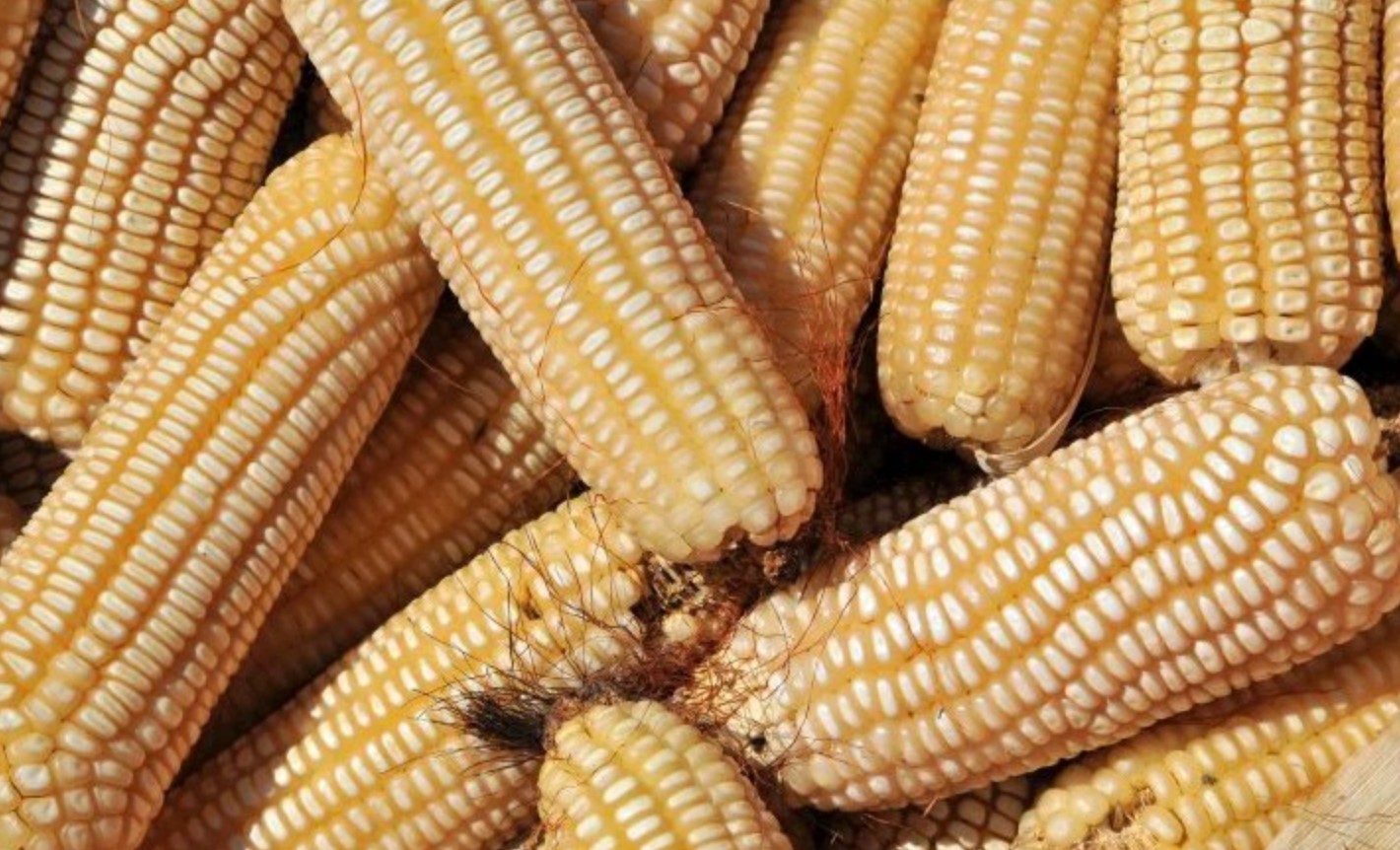
Maize, also known as corn, is an essential staple food in many parts of the world.
It is rich in nutrients such as carbohydrates, fiber, vitamins, and minerals.
While maize alone cannot cure diseases, it can contribute to maintaining good health and preventing certain illnesses.
However, it is important to note that a balanced diet including a variety of foods is crucial for overall well-being and disease prevention.
Eating maize without beans can be beneficial for certain health conditions.
For example, individuals with celiac disease or gluten intolerance can substitute wheat and other gluten-containing grains with maize, which is naturally gluten-free.
This can help alleviate symptoms and improve overall digestive health.
Moreover, maize contains a high amount of dietary fiber.
Regular consumption of fiber-rich foods, like maize, can aid in managing and preventing various conditions such as constipation, irritable bowel syndrome, and colorectal cancer.
Fiber promotes healthy digestion, regulates blood sugar levels, and helps maintain a healthy weight.
Additionally, maize is a good source of antioxidants like carotenoids, which play a vital role in protecting against chronic diseases such as heart disease, certain types of cancer, and age-related macular degeneration.
However, it is important to highlight that relying solely on maize without including other sources of protein, such as beans, may lead to nutritional deficiencies.
Beans are an excellent source of plant-based protein, essential amino acids, and minerals like iron and zinc, which are important for maintaining overall health and preventing anemia.
In conclusion, while maize alone cannot cure diseases, incorporating it into a balanced diet can contribute to good health and disease prevention.
However, it is crucial to include a variety of foods, including beans or other protein sources, to ensure a well-rounded and nutrient-rich diet.
Always consult with a healthcare professional or registered dietitian for personalized dietary advice based on individual health needs.