
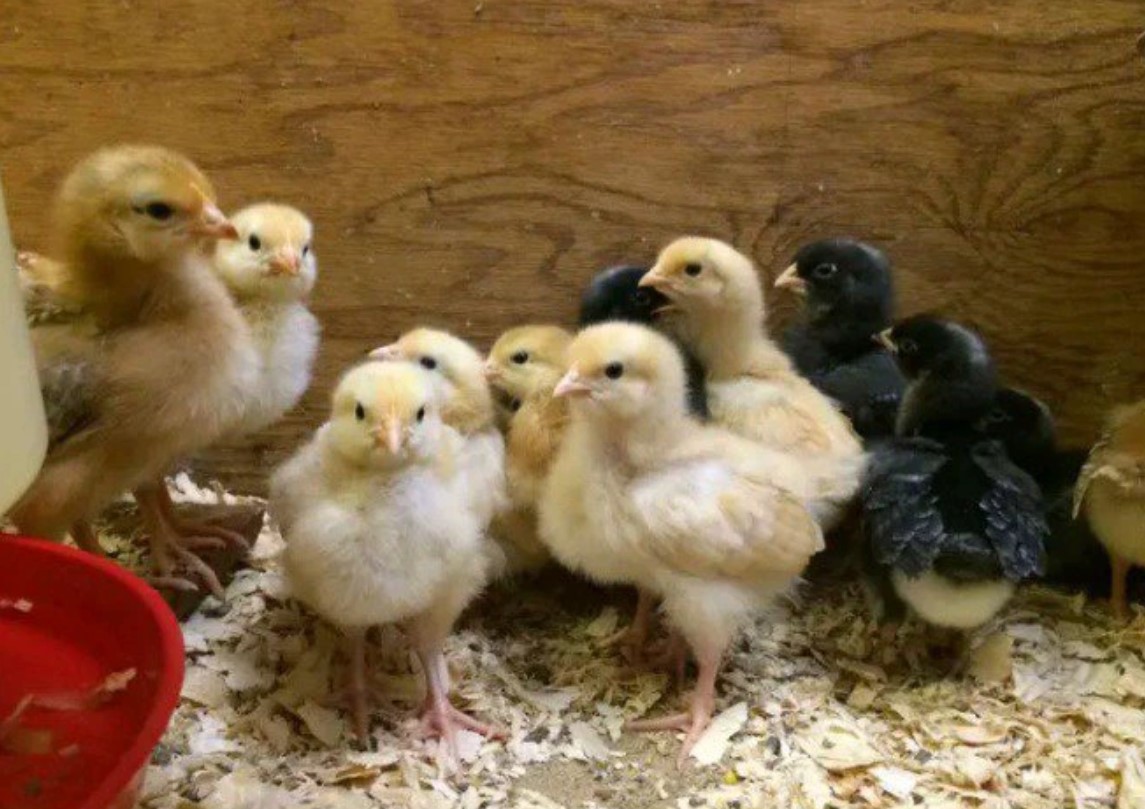
Raising chickens is a common practice worldwide, providing a valuable source of food, income, and sustainability for many communities. While local breeds of chickens have their merits, it’s important to acknowledge that there are also disadvantages associated with keeping them. In this article, we will explore some of the drawbacks of raising local chicken breeds.
1. **Lower Egg Production:**
One of the primary disadvantages of local chicken breeds is their comparatively lower egg production. Local breeds typically lay fewer eggs compared to specialized commercial breeds, which can be a significant drawback for those looking to generate a consistent source of income or a steady supply of eggs for their family.
2. **Slower Growth Rate:**
Local breeds tend to grow more slowly than commercial breeds that have been selectively bred for rapid growth. This slower growth rate can make local chickens less desirable for those seeking to raise meat birds for consumption or sale.
3. **Smaller Size:**
Local chicken breeds are generally smaller in size compared to commercial breeds. Smaller birds mean less meat per bird, which can impact the profitability of raising them for meat production.
4. **Increased Susceptibility to Diseases:**
Local chicken breeds often have weaker immune systems and may be more susceptible to diseases compared to their commercial counterparts. This can result in higher mortality rates and increased veterinary care costs.
5. **Limited Genetic Diversity:**
Many local chicken breeds have limited genetic diversity due to generations of unregulated breeding. This can lead to a higher risk of inbreeding-related health issues and a lack of adaptability to changing environmental conditions.
6. **Longer Maturity Period:**
Local chickens usually take longer to reach maturity, whether it’s for egg-laying or meat production. This extended time frame can be a disadvantage for farmers and backyard poultry keepers looking for quicker returns.
7. **Market Acceptance:**
In some markets, consumers prefer the taste, appearance, and consistency of commercial chicken breeds. This can make it challenging to sell local chicken products, limiting market opportunities.
8. **Limited Breeding Resources:**
Unlike commercial breeds, which often have dedicated breeding programs and resources, local chicken breeds may lack organized efforts for genetic improvement and breeding selection, hindering their development.
9. **Reduced Egg Size and Shell Quality:**
Local chicken breeds may lay smaller eggs with thinner shells compared to commercial breeds, affecting their market value and the quality of eggs for consumption.
10. **Challenging to Scale Up Production:**
Expanding a local chicken production operation can be challenging due to the breed’s limitations in terms of growth, size, and egg production. Commercial breeds are often more scalable.
Conclusion
While local chicken breeds have their advantages, including adaptability to local environments and cultural significance, it’s essential to recognize the disadvantages associated with them. These drawbacks can impact their suitability for specific purposes such as egg or meat production and may require careful consideration and management by poultry keepers. Ultimately, the choice of whether to raise local breeds or commercial breeds should align with the goals, resources, and circumstances of the individual or community involved in poultry farming.