
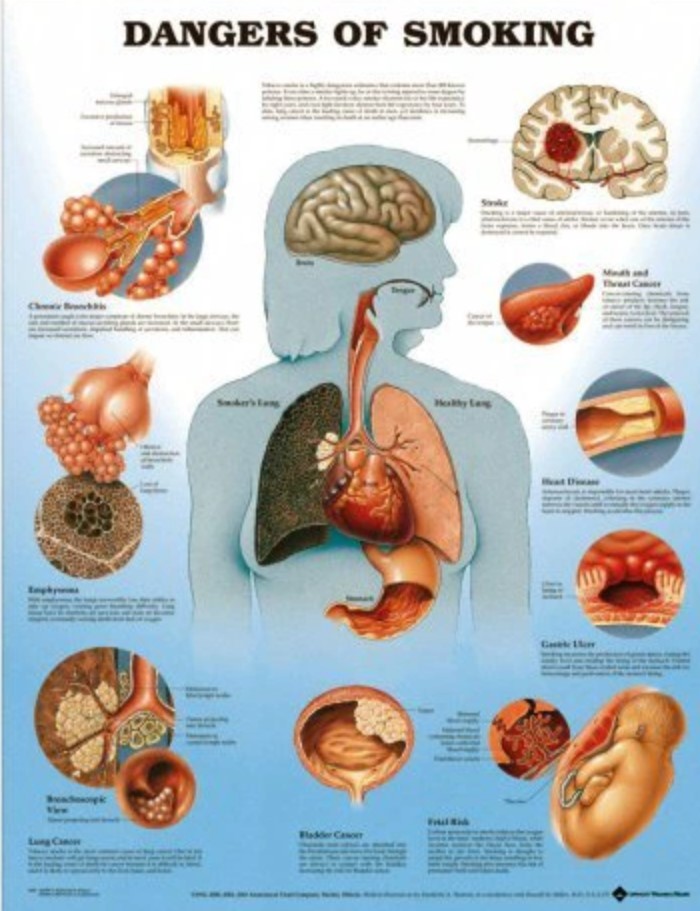
Smoking cigarettes poses significant dangers to one’s health, increasing the risk of various conditions and diseases. It is a major cause of heart disease, stroke, and peripheral arterial disease (PAD). Smoking can also cause high blood pressure, low HDL cholesterol levels, and make blood more likely to clot, all of which are risk factors for heart attacks and strokes.
Smoking is linked to an increased risk of cancer, including lung, bladder, acute myeloid leukemia, cervical, colorectal, esophageal, kidney and uterine, laryngeal, liver, oropharyngeal, pancreatic, stomach or gastric, tracheal, bronchial, and lung cancer. Quitting smoking can reduce the risk of developing most of these types of cancers.
Smoking can also lead to respiratory problems, such as chronic obstructive pulmonary disease (COPD), reduced lung function, impaired lung growth, idiopathic pulmonary fibrosis, and tuberculosis. It can also worsen asthma symptoms and increase the risk of respiratory infections.
Smoking can affect reproductive health, causing fertility issues in both men and women. In women, smoking can lead to ectopic pregnancy, problems with the placenta, premature birth, low birth weight, stillbirth, sudden infant death syndrome (SIDS), cleft lip and palate in infants, and early menopause. In men, smoking can decrease sexual performance, contribute to erectile dysfunction (ED), and damage the DNA in sperm, making it difficult to conceive and increasing the risk of miscarriage and certain birth defects.
Smoking can also damage the skin, hair, and nails, causing premature aging, wrinkles, hair loss, balding, and discoloration of the nails. It can also affect the cardiovascular system, raising blood pressure, weakening blood vessel walls, and increasing the risk of blood clots, which can lead to atherosclerosis, coronary heart disease, stroke, peripheral artery disease, and abdominal aortic aneurysm.
Secondhand smoke can also affect the health of those around you who don’t smoke, increasing their risk of stroke, heart attack, and heart disease. Smoking can also increase the risk of developing type 2 diabetes and worsen some of the health conditions related to type 1 diabetes, such as kidney disease, eye disease, and poor circulation.
Quitting smoking can reverse many of these effects on the body, improving overall health, increasing life expectancy, and reducing the risk of various conditions and diseases.