
Human Immunodeficiency Virus (HIV) weakens the immune system, making it less effective against disease. AIDS is the final stage of HIV infection. Although there’s no cure for HIV, there are treatments that can help people with the virus to lead normal, longer lives. Due to recent medical advancements, fewer people are becoming HIV-positive.
According to Medicalnewstoday, doctors recommend getting tested for HIV if you notice the following five signs:
1. Muscle and joint pain, along with swelling in the lymph nodes
HIV is often misdiagnosed as seasonal viruses, mononucleosis, or even syphilis and hepatitis. This is because many symptoms are interconnected, such as joint and muscular pain and swollen lymph nodes. Lymph nodes are an essential part of the body’s defense system, but they’re also a constant target of disease infection. You can find a lot of them in your neck, crotch, and armpit.
2. Focused effort to reduce body fat
Loss of appetite and consequent malnutrition a common symptoms of HIV that can contribute to the patient’s reduced weight. People who are currently losing weight are likely to have a weakened immune system. Such individuals have lost a lot of weight despite eating as much as they like. Nonetheless, antiretroviral therapy has helped to reduce such cases. If someone loses 10% or more of their body weight and also has diarrhea, constipation, and a persistent high temperature for more than 30 days, they are considered to have a wasting disorder.
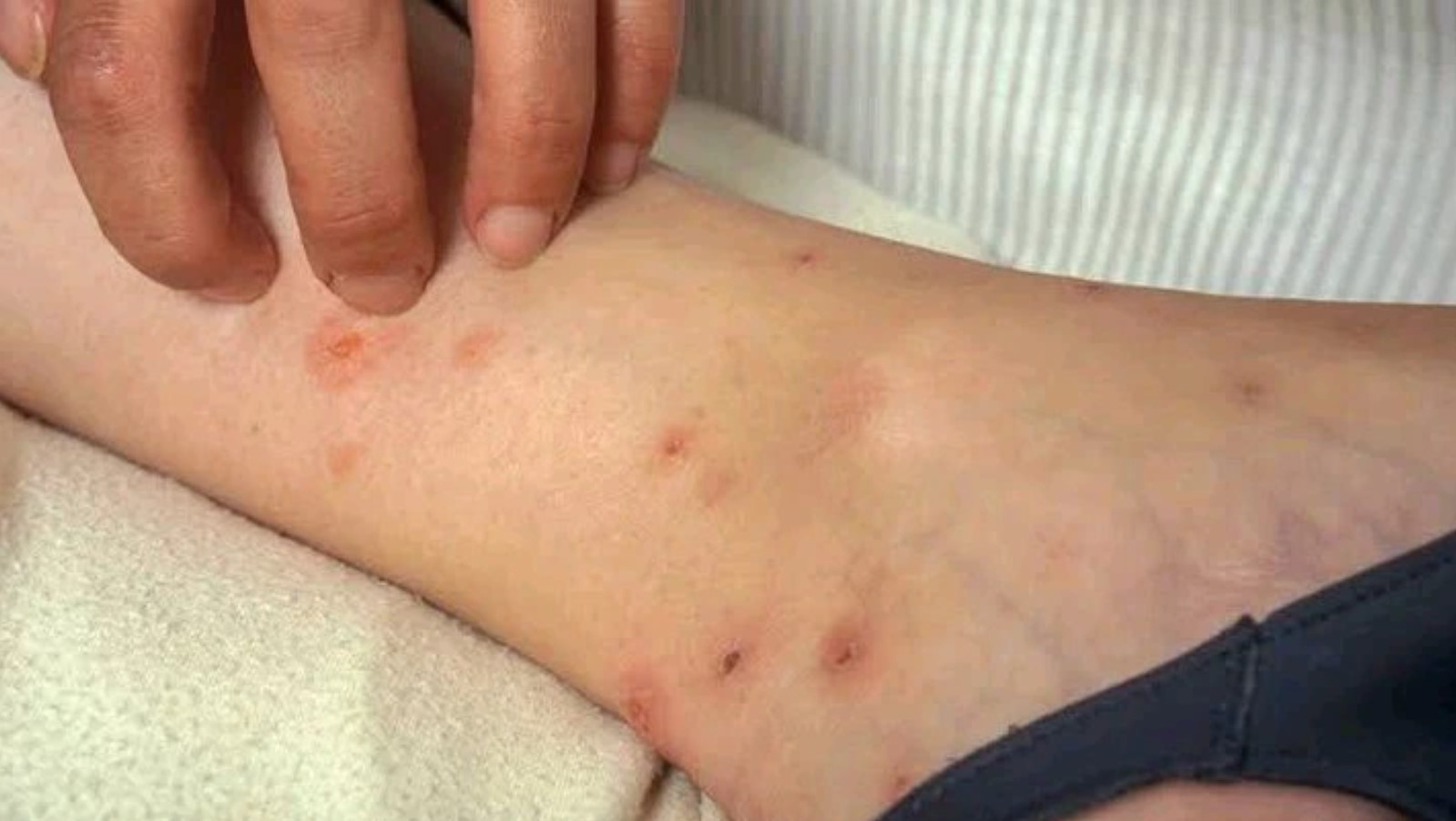
Third, pimples and pores and skin irritation.
Skin rashes can occur in the early or late stages of HIV/AIDS progression. This is a warning sign that the infection may be more serious than just a common cold or allergies. Some people may experience pink patches that feel like bubbles and a tingling sensation in their hands. HIV can also cause hives in the body.
Additionally, between 30 and 60 percent of people with HIV experience temporary symptoms such as nausea, vomiting, and diarrhea in the early stages of the disease. These symptoms may worsen later on, usually in response to a major infection and antiretroviral therapy. If you have persistent diarrhea that does not improve with normal treatment, it could be a warning sign.
Another symptom that may occur in the early stages of HIV is night sweats. Almost half of people infected with HIV experience this symptom, which is not caused by heat exposure. Night sweats can become more widespread as the disease progresses and can be as bothersome as soaking your sheets and other belongings.
brand new flickers that menopausal girls begin to notice.