
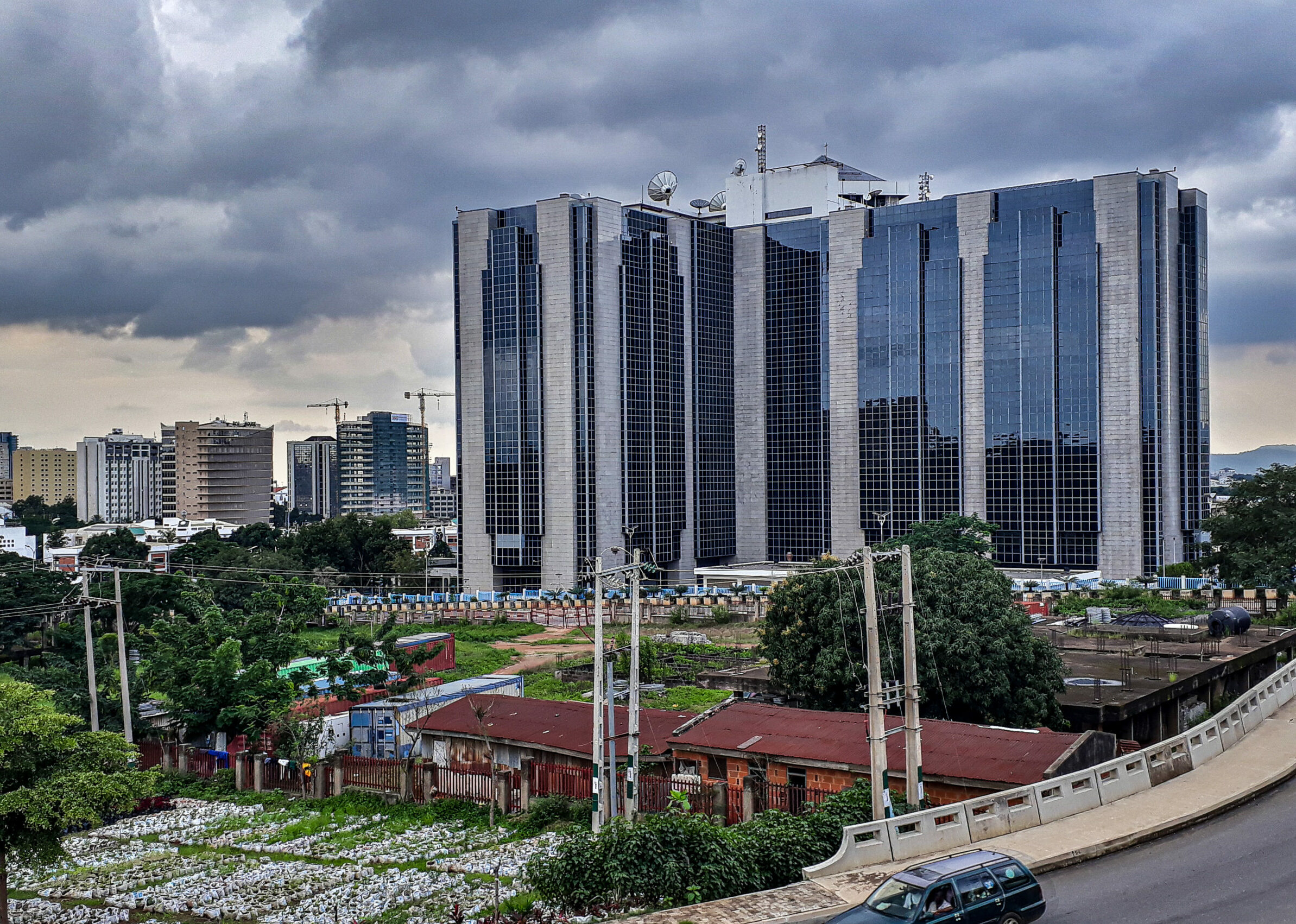
He Central Bank of Nigeria (CBN) posted higher net income for 2022, achieved amid a sharp deterioration in the credit quality of its risky assets.
The bank’s financial records showed that its failure to maintain its relationship with the Nigerian government at arm’s length, as regulator of the banking industry, jeopardized its credibility.
Loan loss expenses for the banking regulator rose to N875.2bn from N498.2bn a year earlier, according to its recently released audited earnings report.
Its loans to the government made up as much as 74 per cent of loans and receivables contributing N610 billion of both total impairment loss and credit loss expense for the year.
In a report of their findings that accompanied the document, independent auditors Ernst & Young and KPMG jointly highlighted the bank’s impaired loans as the key audit subject of their scrutiny.
“Impairment of loans and advances…is considered a key audit matter because of the significance of the amount and the level of subjectivity, uncertainty, and complexity involved in estimating the key assumptions that affect the recoverability of loans and advances they wrote. .
reckless lending
Central bank lending to the Nigerian government through short-term overdrafts known as ways and means had increased 30-fold to 23.2 trillion naira between 2015, when former President Muhammadu Buhari took office until the end of last year. .
That defies the law that allows advancing no more than 5 percent of the previous year’s government revenue and requires that the loan be paid off in the same year as the loan.
“As of December 31, 2022, the Bank had advanced a total of ₦23.18 trillion to the Federal Government, which exceeded the legal limit by ₦22.9 trillion,” the CBN itself admitted in the document.
A last-minute move by the Buhari administration to regularize the loan won legislative approval in early May, setting in motion the process to convert the advance into a long-term bond repayable over 40 years.
The overdraft will shoot Nigeria’s current debt in half to around N69 trillion when the process is complete.
“The capital market does not have the capacity to absorb $22.7 trillion of debt,” Bloomberg quoted Adetilewa Adebajo, chief executive of CFG Advisory, as saying in a May report.
“It’s amazing that the Senate” is breaking the law, he added.
Godwin Emefiele, under whose watch the embezzlement occurred, has been detained by the State Security Service, the government’s secret police, on the orders of Bola Tinubu, who took office as president in May. He now faces charges for possession of firearms without a license.
CBN’s finances have been shrouded in secrecy for years, the last time it issued its annual report was in 2015, until Thursday, when it released a seven-year earnings report rollup.
To expose his activities, President Tinubu hired Jim Obazee, former CEO of the Financial Information Council of Nigeria (FRCN), as a special investigator to conduct a forensic audit of his books.
According to 2022 financial data, the CBN borrowed N3.1 trillion ($7 billion) and N230 billion ($500 million) from big global lenders JP Morgan and Goldman Sachs, adding up to a balance of N3 .3 trillion (7.5 billion dollars) in 2021. .
The terms of the stock lending agreement allow the two lenders to hold CBN’s securities, pledged as collateral, in exchange for the cash it received from the lenders.
In interest income for the year, the bank vaguely included 1.9 trillion naira as interest receivable from the Nigerian government on the overdraft facility in question without further detailing how it arrived at the figure.
Its after-tax profit stood at Naira 103.9 billion compared to Naira 75.1 billion a year earlier. Total assets rose 9.5 percent to N60 trillion.
Read More Related News Here
Let hear it in the comment below if you do have an opinion on this; CBN annual report shows sharp deterioration in credit quality as loans to FG increase