
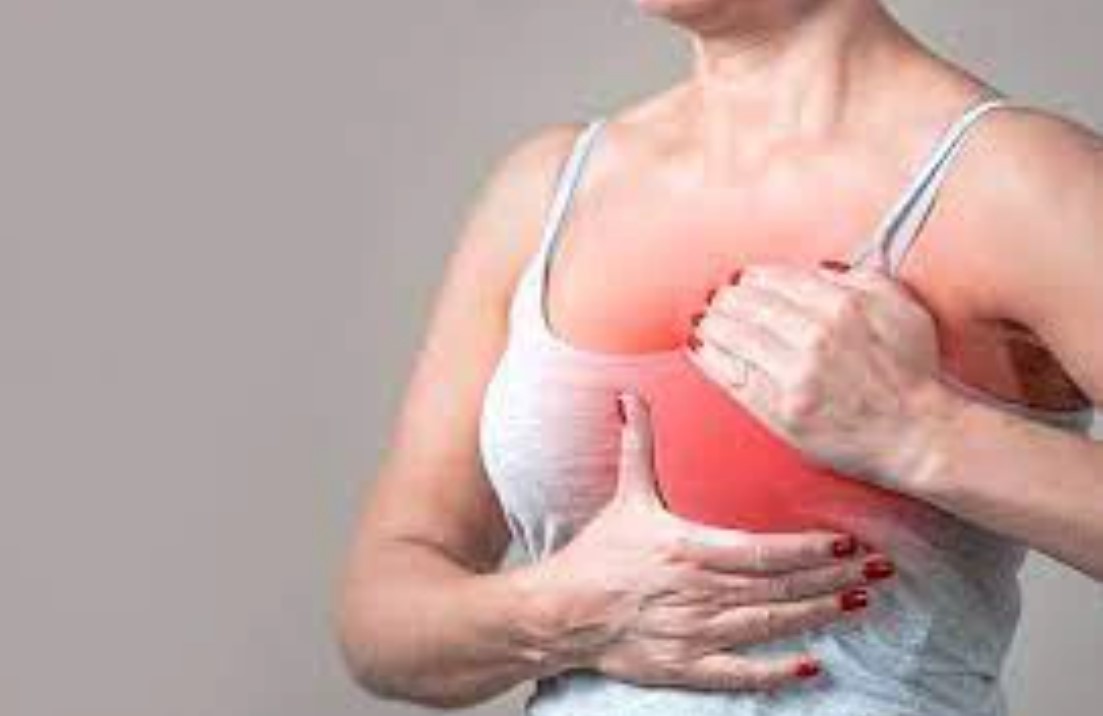
While some oncologists express reservations about establishing a clear link between nutrition and longevity, nutrition specialists assert that specific dietary choices can significantly impact women’s chances of surviving breast cancer. This report explores the recommendations of nutrition experts and studies highlighting the connection between certain foods and breast cancer outcomes. Explore these 3 foods that could potentially lower your susceptibility to breast cancer.
1. Carotenoid-rich foods:
Consuming foods rich in carotenoids, the natural pigments abundant in yellow and orange foods (such as carrots, sweet potatoes, and squash), and dark leafy greens (kale, spinach, and Swiss chard) has been associated with a reduced risk of breast cancer recurrence. Dr. Mitchell Gaynor suggests incorporating cruciferous vegetables like broccoli, kale, cabbage, and cauliflower into the diet to enhance the intake of carotenoids, creating an environment inhospitable for cancer cells.
2. Omega-3 Fatty Acid-rich Fish:
The consumption of fish high in omega-3 fatty acids, including salmon, haddock, cod, halibut, and sardines, correlates with an improved breast cancer prognosis. A 2011 study in the Journal of Nutrition revealed that EPA and DHA fatty acids from fish inhibit the proliferation of breast cancer cells and reduce tumor progression. Women treated with higher levels of EPA and DHA experienced a 25% reduced risk of recurrence. Notably, this benefit is attributed to fish consumption rather than fish oil supplements. Omega-3 fatty acids in fish also support immune function and reduce the risk of heart disease and diabetes.
3. A high-fiber diet with beans and whole grains:
Women benefit from a high-fiber diet, which is associated with lower overall mortality in breast cancer patients. Dr. Keith Block emphasizes that fiber aids in appetite control and may contribute to decreased calorie consumption, facilitating achieving and maintaining a healthy weight. Weight management, particularly after menopause, is crucial in influencing survival. The report underscores the correlation between weight gain, increased estrogen levels, and elevated breast disease risk. Cancer survival entails making comprehensive lifestyle choices, including exercise, with diet being one element of the broader picture.
Understanding the impact of nutrition on cancer cells and making informed dietary choices contribute to creating an environment that inhibits cancer cell growth. This holistic approach supports breast cancer survival and promotes overall health and longevity. The insights presented in this report serve as valuable guidance for individuals navigating the intersection of nutrition and breast cancer.